














The new rules for the CO2 penalty in 2026
A lower entry threshold
The most striking measure in this tougher approach is the lowering of the threshold for triggering the CO2 penalty. This will rise from 113 g/km to 108 g/km. While this reduction may seem insignificant, it has far-reaching consequences for fleet managers.
In practical terms, even small vehicles with low emissions are now subject to the penalty. For example, a Renault Clio 5 emitting 120 g/km of CO2 will be subject to a €310 penalty. For businesses, this extra cost can quickly become significant. If they want to avoid the penalty, they will have to opt for full hybrid versions or go electric.
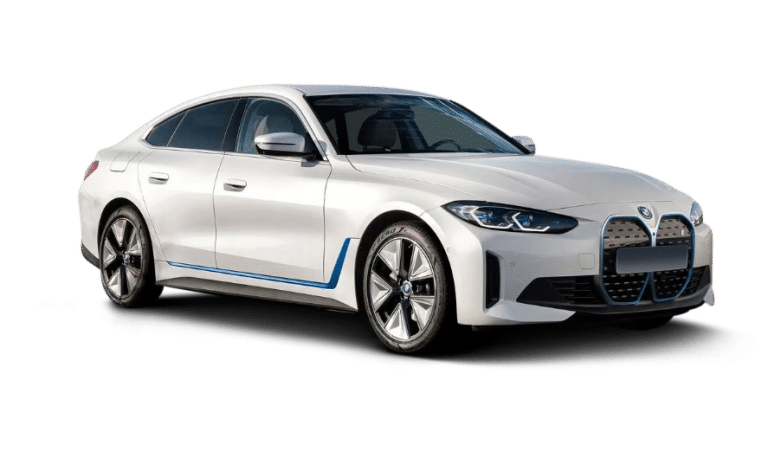
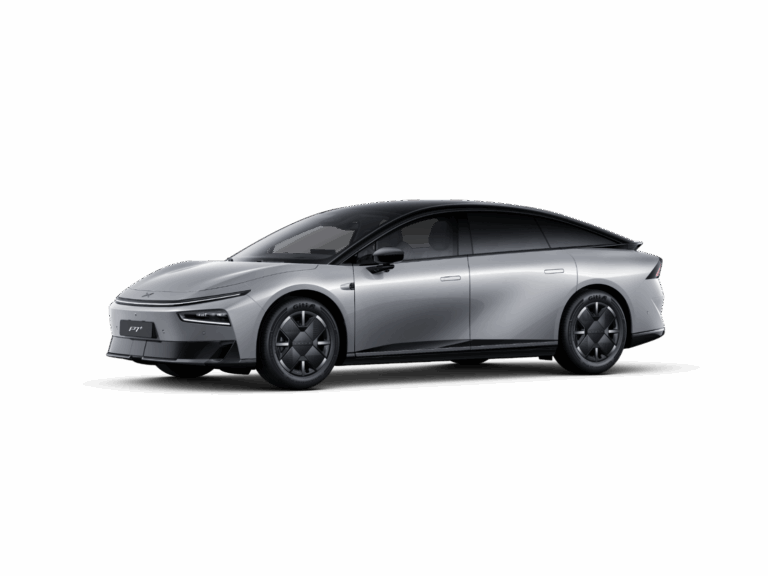
As a reminder, electric vehicles are completely exempt from this tax. What's more, this tax will only increase over the years.
A much stronger price structure
The tightening is not limited to lowering the entry threshold. All the amounts have been significantly increased. And this double penalty applies to all vehicles, including those already taxed in 2025.
To illustrate this increase, let's take the example of a vehicle emitting 140 g/km of CO2. In 2025, the penalty would be €1,504. In 2026, it will rise to €2,205, an increase of €701 for the same level of emissions. In addition, the maximum penalty will now be €80,000 for vehicles emitting 192 g/km of CO2. This ceiling was €70,000 in 2025. This tax may apply to commercial vehicles, which raises questions for craftsmen and businesses that need spacious vehicles for their activities.
Summary table of ecologic malus in 2026
| CO2 (g/km) | Montant du malus |
|---|---|
|
108
|
50€
|
|
109
|
75€
|
|
110
|
100€
|
|
111
|
125€
|
|
112
|
150€
|
|
113
|
170€
|
|
114
|
190€
|
|
115
|
210€
|
|
116
|
230€
|
|
117
|
240€
|
|
118
|
260€
|
|
119
|
280€
|
|
120
|
310€
|
|
121
|
330€
|
|
122
|
360€
|
|
123
|
400€
|
|
124
|
450€
|
|
125
|
540€
|
|
126
|
650€
|
|
127
|
740€
|
|
128
|
818€
|
|
129
|
898€
|
| CO2 (g/km) | Montant du malus |
|---|---|
|
130
|
938€
|
|
131
|
1 074€
|
|
132
|
1 172€
|
|
133
|
1 276€
|
|
134
|
1 386€
|
|
135
|
1 504€
|
|
136
|
1 629€
|
|
137
|
1 761€
|
|
138
|
1 901€
|
|
139
|
2 049€
|
|
140
|
2 205€
|
|
141
|
2 370€
|
|
142
|
2 544€
|
|
143
|
2 726€
|
|
144
|
2 918€
|
|
145
|
3 119€
|
|
146
|
3 331€
|
|
147
|
3 552€
|
|
148
|
3 784€
|
|
149
|
4 026€
|
|
150
|
4 279€
|
|
151
|
4 543€
|
| CO2 (g/km) | Montant du malus |
|---|---|
|
152
|
4 818€
|
|
153
|
5 105€
|
|
154
|
5 404€
|
|
155
|
5 715€
|
|
156
|
6 637€
|
|
157
|
6 637€
|
|
158
|
7 248€
|
|
159
|
7 959€
|
|
160
|
8 770€
|
|
161
|
9 681€
|
|
162
|
10 692€
|
|
163
|
11 803€
|
|
164
|
13 014€
|
|
165
|
14 325€
|
|
166
|
15 736€
|
|
167
|
17 247€
|
|
168
|
18 858€
|
|
169
|
20 569€
|
|
170
|
22 380€
|
|
171
|
24 291€
|
|
172
|
26 302€
|
|
173
|
28 413€
|
| CO2 (g/km) | Montant du malus |
|---|---|
|
174
|
30 624€
|
|
175
|
32 935€
|
|
176
|
35 346€
|
|
177
|
35 857
|
|
178
|
40 468€
|
|
179
|
43 179€
|
|
180
|
45 990€
|
|
181
|
48 901€
|
|
182
|
51 912€
|
|
183
|
55 023€
|
|
184
|
58 134€
|
|
185
|
61 245€
|
|
186
|
64 356€
|
|
187
|
64 467€
|
|
188
|
70 578€
|
|
189
|
73 689€
|
|
190
|
76 800€
|
|
191
|
79 911€
|
|
192
|
80 000€
|
|
>193
|
80 000€
|
Vehicles that escape the penalty
Certain categories of vehicle remain exempt from the CO2 penalty. They therefore offer interesting alternatives for fleet managers.
As we have seen, 100 % electric vehicles remain totally exempt from this tax. Combined with other tax incentives such as degressive depreciation and VAT recovery in certain cases, this exemption is a great advantage. However, it should be noted that electric vehicles are still subject to a weight-related penalty. We'll take a closer look at this later.
Full-hybrid vehicles also escape the penalty because their emissions are generally below 108 g/km. They could be a solution to consider before switching to all-electric.
Finally, VASP vehicles (Specialised Self-Propelled Vehicles) benefit from an exemption thanks to their specific type-approval.
The weight-based malus: additional taxation that's getting tougher
Lowering the threshold to 1,500 kg
The trigger threshold has been raised from 1,600 kg to 1,500 kg. This considerably increases the number of vehicles covered by this tax.
The measure is designed to penalise heavy vehicles. They are deemed to be more polluting because of their higher energy consumption and the environmental impact of their manufacture. For companies, this development is particularly problematic because many vehicles used as company cars now exceed this threshold.
One crucial point to note concerns electric vehicles. Previously fully exempt from the weight-related penalty, they will be partially taxed from 1 July 2026. However, this tax will only apply to electric vehicles without a valid eco-score. These vehicles are produced outside Europe or have a poor carbon footprint. An allowance of 600 kg will be applied to these vehicles, which should exempt most of them.
Hybrid vehicles benefit from special tax allowances:
- 100 kg for single hybrids
- 200 kg for rechargeable hybrids
These allowances enable some models to escape taxation, but will not always be enough for large hybrid SUVs.
Table of amounts
The 2026 weight-related penalty tariff is based on a progressive scale according to the weight of the vehicle.
| Tranche de poids | Tarif au kilogramme |
|---|---|
|
1,500 - 1,699 kg
|
10 € / kg
|
|
1,700 - 1,799 kg
|
15 € / kg
|
|
1 800 - 1 899 kg
|
20 € / kg
|
|
1 900 - 1 999 kg
|
25 € / kg
|
|
≥ 2,000 kg
|
30 € / kg
|
It is important to note that the weight-related penalty can be added to the CO2 penalty. There is currently a ceiling of €50,000 on this combination. However, this limit will disappear in 2028, which is why it is important to anticipate it now.
Towards continued hardening in 2027-2028
The malus on second-hand vehicles
In addition to the 2026 changes, other measures are planned for the following years. It should be noted, however, that their implementation remains uncertain due to the political and budgetary context.
These include the ecological penalty on second-hand vehicles, which has been under discussion since 2024. Retroactive, it would apply to used cars registered after 2015 emitting more than 107 g/km of CO2 or exceeding 1,800 kg. If this measure were to be widely applied, it would profoundly transform the second-hand car market in France. For businesses, it could complicate the end-of-life management of vehicles and devalue existing fleets.
There is, however, one positive element: an allowance linked to the age of the vehicle and a mileage allowance will be introduced in 2027. These would modulate the penalty according to wear and tear. This will help to mitigate the impact of the measure on the oldest and most heavily used vehicles.
As we saw earlier, the other major change planned is the end of the cap on cumulative deductions. Currently capped at €50,000, this limit would disappear and could theoretically reach €100,000 for the heaviest, highest-emission vehicles.
Although still a long way off and subject to change, this outlook is a clear indication of the direction taken by public policy. Companies that have not anticipated the transition of their fleets to lighter, lower-emission vehicles will find themselves facing very high additional costs.
The financial impact for company fleets
Impact on acquisition costs
The increase in the malus has a direct impact on the purchase price of vehicles. If the company maintains a fleet of compact combustion-powered cars, the additional annual cost could be extremely high. If the company were to switch to half-exempt hybrid models, this additional cost could already be halved. That said, if the company switches to electric vehicles, it avoids the CO2 penalty altogether.
Impact on residual value
The gradual tightening of the penalty also affects the resale value of internal combustion vehicles. This accelerated depreciation lengthens the payback period. Companies using long-term leasing will also see their rental charges increase to compensate for these losses in residual value.
Impact on renewal budgets
Faced with these developments, many companies are being forced to review their renewal cycles. Rather than systematically replacing their vehicles every 3 or 4 years, some are extending the ownership period. In this way, they hope to dilute the additional cost of the penalty over a longer period. But there are limits to this strategy: an older vehicle consumes more fuel, costs more to maintain and can lose sales effectiveness.
Solutions for companies faced with tougher penalties
Faced with these tougher conditions, companies have a number of levers at their disposal to optimise their costs and anticipate future developments.
Accelerating the transition to electric vehicles
The most obvious and effective solution is to gradually electrify your fleet. The tax advantages of electric vehicles are still very attractive. The TCO of an electric vehicle quickly becomes competitive thanks to savings on fuel and maintenance. With the 2026 malus, this economic equation improves even further in favour of electric vehicles.
Optimising the composition of your fleet
For companies that can't switch to all-electric vehicles straight away, hybrid and full hybrid models are the way to go. They avoid the CO2 penalty while retaining the flexibility of use of internal combustion engines. Alternative mobility solutions also deserve to be explored: car-sharing for occasional needs, short-term hire for peaks in activity, electric bicycles or scooters for urban travel, etc.
Anticipate with a recharging infrastructure adapted
Fleet electrification cannot succeed without an appropriate recharging infrastructure. It needs to be sized according to current needs, but also according to future projections for the electrification of the fleet. The power of the charging points also needs to be adapted to the way they are used. For vehicles that are parked for several hours, 7 to 11 kW charging points are sufficient and will optimise costs. For fleets requiring rapid recharging (delivery vehicles with multiple rotations), more powerful charging stations may be necessary.
Beev supports companies in this global transition. Our approach guarantees a successful and profitable transition to electric vehicles, transforming the penalty into sustainable savings.
Monday to Friday
9am - 12.30pm - 2pm - 7pm
Conclusion
The tightening of the environmental penalty in 2026 represents a major turning point for corporate fleet management. Far from being a mere administrative constraint, this regulatory change is reshaping the economic equation for business mobility and inevitably accelerating the transition to electric vehicles. Companies that anticipate these changes and rethink their mobility strategy will gain a significant competitive advantage, both financially and in terms of image and environmental responsibility.