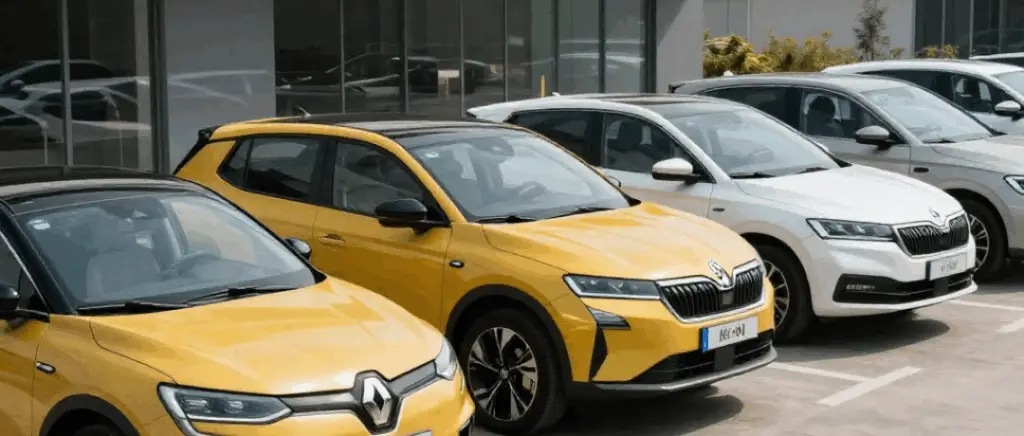


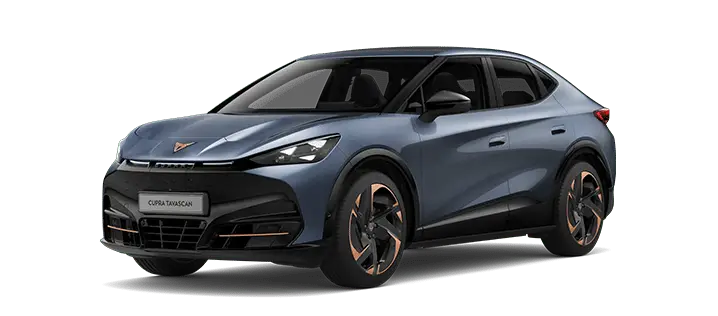

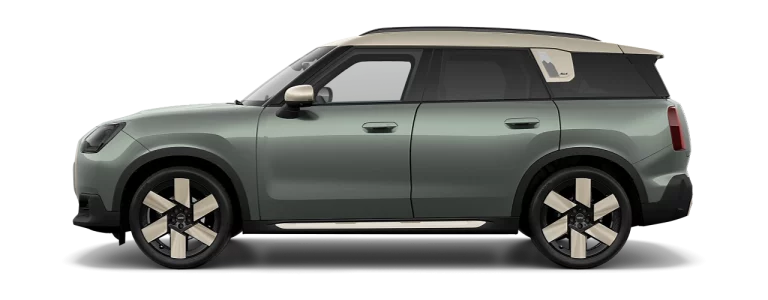
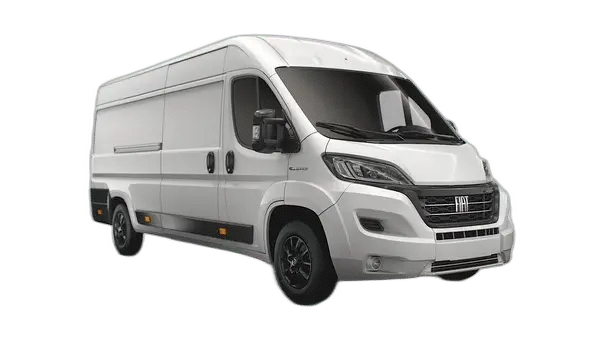








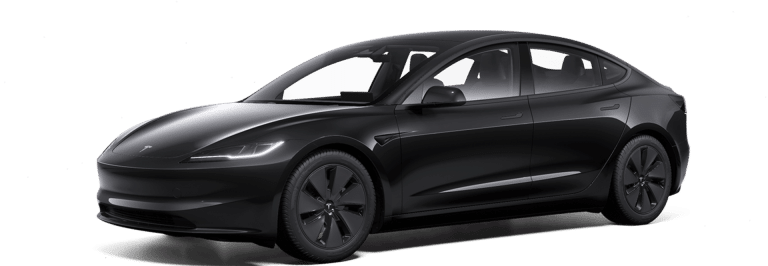
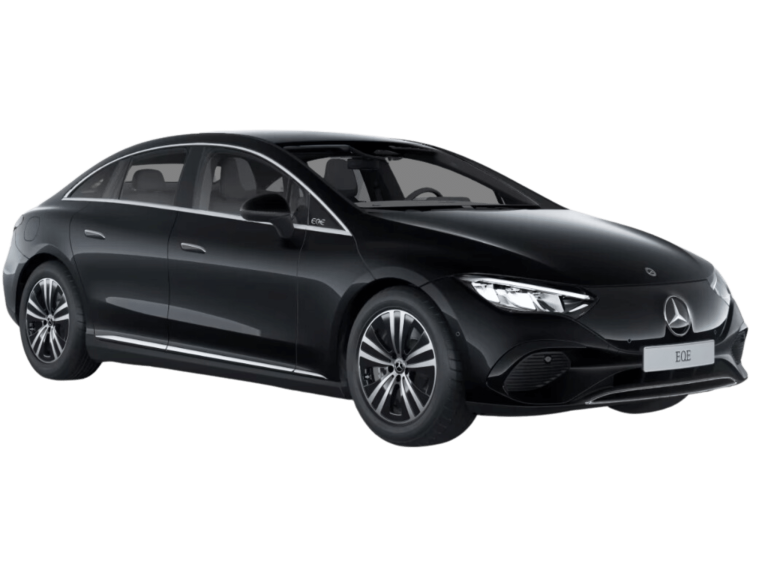
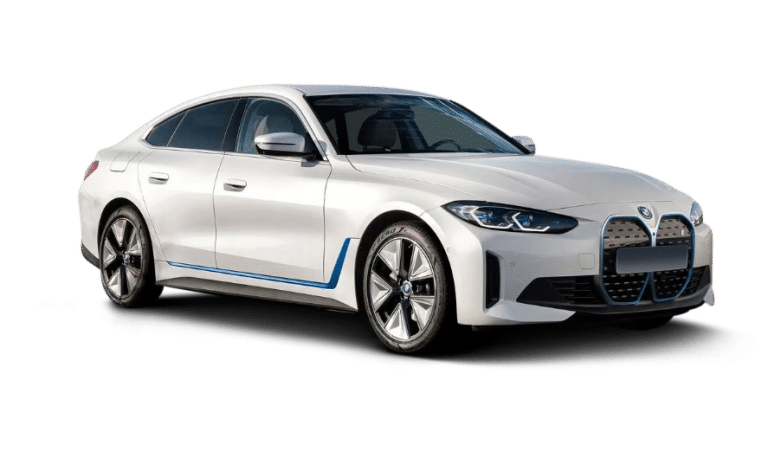
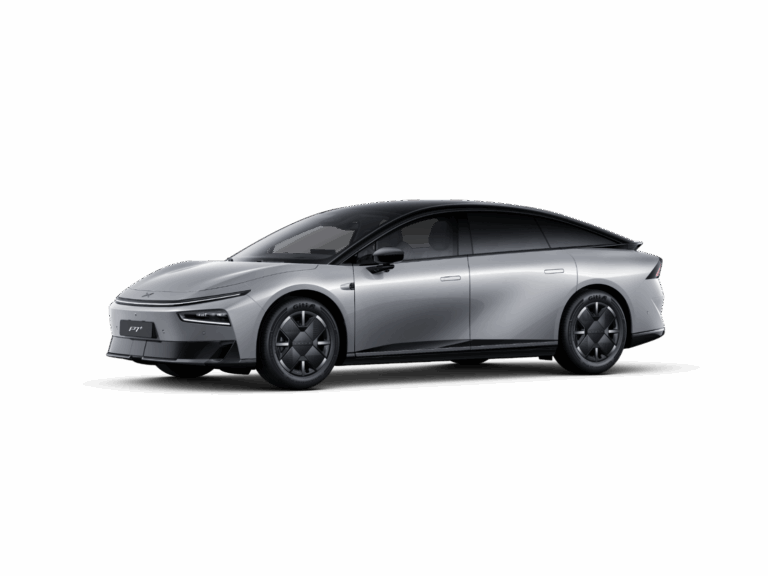
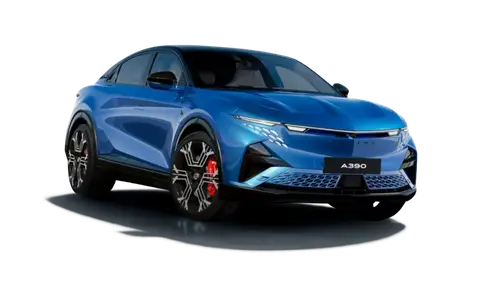










Make your energy transition now, with a range of new 100 % electric vehicles available for leasing from Beev!
What is the tax on the use of vehicles for economic purposes (ex-TVS)?
La tax on the use of vehicles for economic purposes, formerly known as company vehicle tax (TVS), For a long time, car tax was a major tax lever for the use of vehicles for business purposes. This tax, which is often at the centre of economic debate, has evolved to meet the current challenges of taxation, the environment and sustainable mobility. Here's what you need to know about its origins and the reasons for its recent transformation in 2025:
- Origins and development of TVS :
Initially introduced to regulate and tax the use of company cars, the TVS was intended to encourage companies to adopt more responsible mobility practices, in particular by opting for less polluting vehicles. Since its creation, this tax has undergone a number of changes, notably to incorporate the environmental objectives of the energy transition.
- Why has TVS been replaced?
In response to environmental challenges and the move by business fleets towards greener solutions, the TVS has been redesigned into a more appropriate version: the new TVS. This transformation aims to better reflect current priorities, such as reducing CO2 emissions, while simplifying tax procedures for businesses.
In 2025, the new version of this tax represents a turning point, by aligning fiscal objectives with economic and ecological imperatives.
Origins and development of TVS
La tax on the use of vehicles for economic purposes (TVS), formerly known as company car tax, was introduced to regulate and control the use of vehicles in companies. Its main aim was to encourage more responsible business mobility practices, while making a financial contribution to the State budget.
Since it was introduced, the TVS has undergone a number of changes to adapt to changing economic and environmental challenges. Here's a look back:
- Origins of TVS :
Created in the 1980s, this tax was initially intended to tax the use of company vehicles. It applied to private vehicles used for business purposes, excluding commercial vehicles.
- Successive developments :
- Over the years, TVS scales have been adjusted to take into account the energy consumption and CO2 emissions of vehicles.
- These changes reflected growing priorities to combat pollution and encourage the adoption of fleets that emit less greenhouse gas.
- The inclusion of stricter environmental criteria has strengthened the role of the TVS as a tool for ecological transition.
- Towards the new TVS :
These developments culminated in 2025 with the introduction of the new TVS, which redefines the tax rules applied to company vehicles. The aim of this overhaul is to take better account of environmental imperatives, while simplifying the administrative obligations of companies.
The TVS, in its original form, has thus become a more modern form of taxation, adapted to today's challenges, at the crossroads between taxation, ecology and the economy.
Why has TVS been replaced?
La company vehicle tax (TVS), now called tax on the use of vehicles for economic purposes, was replaced in 2025 in response to a number of economic, fiscal and environmental challenges. While this tax has long played a key role in business taxation, it had become necessary to change in response to market changes and societal priorities.
Here are the main reasons for introducing the new TVS :
- An obsolete tax framework :
- The original TVS rules, which focused on the traditional car fleet, did not take sufficient account of the diversification of fleets, particularly the growing adoption of electric or hybrid vehicles.
- Simplifying tax obligations was also an imperative for businesses, which were often faced with complex calculations under the old tax system.
- Pressing environmental issues :
- The old TVS was based on taxation criteria that did not fully reflect current climate objectives.
- By introducing stricter parameters for CO2 emissions, the new tax aims to encourage companies to adopt more environmentally-friendly vehicles.
- Aligning with the energy transition :
- The widespread use of electric vehicles in business fleets required an overhaul of the scales to give greater encouragement to these solutions.
- The new TVS puts the emphasis on helping companies to adopt sustainable mobility practices in line with national climate commitments.
In short, the replacement of the TVS by the new tax on the use of vehicles for economic purposes marks a significant step forward in adapting car taxation to modern requirements. It reflects a balance between administrative simplification, ecological incentives and maintaining tax revenues for the State.
What new taxes will replace the TVS in 2025?
By 2025, the company vehicle tax (TVS), now known as tax on the use of vehicles for economic purposes, is being replaced by a new tax system. This change is part of a drive to better reflect environmental issues while reinforcing companies' responsibility in terms of mobility.
The new taxes introduced to replace the TVS focus on more precise ecological criteria and have two main components:
- Tax on CO2 emissions :
A tax based on carbon dioxide emissions, with the aim of encouraging business fleets to opt for low-emission or even zero-emission vehicles. - Tax on atmospheric pollutants :
This second component aims to reduce the impact of vehicles on air quality by penalising those that emit harmful substances such as fine particles and nitrogen oxides.
These new taxes, which will be phased in from 2024, mark a break with the old model, giving priority to assessment criteria in line with France's climate commitments. Their implementation is designed to make businesses more responsible, while simplifying the tax framework to meet the expectations of economic and institutional players.
Tax on CO2 emissions
La tax on CO2 emissions becomes one of the pillars of the new tax system replacing the company vehicle tax (TVS). Designed to meet the challenges of climate change, this tax is based on a precise assessment of carbon dioxide emissions from vehicles used for business purposes.
Here are the main elements that characterise it:
- A scale based on CO2 emissions :
- Vehicles are now taxed in proportion to their level of emissions, expressed in grams of CO2 per kilometre.
- The tax scales include progressive thresholds to encourage companies to favour low-emission vehicles, such as electric or plug-in hybrid models.
- A lever for the ecological transition :
- By promoting low-carbon fleets, this tax encourages companies to adopt environmentally-friendly vehicles.
- Companies using high-emission vehicles will see their tax burden increase, in line with the objective of reducing overall emissions.
- Exemptions for clean vehicles :
- Electric vehicles, which generate no direct CO2 emissions, benefit from a total exemption, making their adoption tax-efficient.
- There are also specific advantages for hydrogen and ultra-low emission models.
La tax on CO2 emissions is a decisive fiscal instrument for encouraging sustainable business mobility. By combining incentives and penalties, it plays an active part in achieving national climate objectives, while redefining the environmental responsibility of business fleets.
Tax on atmospheric pollutants
Among the new tax measures replacing the company vehicle tax (TVS) in 2025, the tax on atmospheric pollutants plays a central role. This new tax is designed to combat the harmful impact of pollutant emissions on public health and the environment.
Here are the main features of this tax:
- Targeted taxation on harmful emissions :
- It applies to commercial vehicles emitting pollutants such as fine particles (PM) and nitrogen oxides (NOx), which are recognised for their harmful effects on air quality.
- The scales take account of the technologies used, with vehicles equipped with efficient pollution control systems eligible for reductions.
- A lever for improving air quality :
- By targeting the most polluting vehicles, this tax encourages companies to renew their fleets with models that comply with the latest Euro standards.
- It helps to reduce local emissions, particularly in urban areas where air pollution is a major concern.
- Incentives for clean technologies :
- Zero emission vehicles, such as electric and hydrogen-powered models, are exempt, underlining their relevance to sustainable mobility strategies.
- Companies that invest in fleets with a low environmental impact therefore benefit economically.
La tax on atmospheric pollutants represents a strategic tax tool to help companies make the transition to less polluting vehicles. It responds to public health imperatives while meeting national environmental objectives, in particular the reduction of harmful particles in the atmosphere.
Gradual implementation since 2024
The transition to the new taxes on the use of vehicles for economic purposes has been designed to be phased in gradually, to ensure a smooth transition for businesses. This phased approach, starting in 2024, is designed to give the players concerned time to prepare their fleets and tax practices for the new obligations.
Here are the main stages in the implementation process:
- A first phase in 2024 :
- The new taxes, including the tax on CO2 emissions and the tax on atmospheric pollutants, These were gradually introduced alongside the old TVS system.
- This transitional period enabled companies to familiarise themselves with the new tax scales and criteria, while continuing to apply the TVS rules.
- Support for companies :
- In 2024, specific tools, such as online simulators and practical guides, were made available to help businesses calculate their new tax obligations.
- The public authorities have also stepped up their communication on the benefits of low-carbon fleets and the administrative simplification offered by this new framework.
- Full entry into force in 2025 :
- From January 2025, the company vehicle tax (TVS) was officially replaced by the new taxes, marking the end of the transitional period.
- This definitive switch confirms the government's commitment to a tax system that is aligned with environmental and public health issues.
Thanks to this gradual transition, companies have been able to anticipate the changes and adjust their fleet management strategies. This phased deployment reflects a desire to reconcile ecological ambition with economic pragmatism.
Who is affected by the new taxes on vehicles used for economic purposes?
The new tax regulations relating to vehicles used for business purposes, formerly known as Taxe sur les Véhicules de Société (TVS), mainly affect businesses and professionals who use vehicles as part of their economic activity. However, certain exemptions and specific allocation criteria may influence the application of this tax. Here are the main players affected by these changes:
- Companies subject to these taxes All companies that own or lease vehicles for business purposes must now comply with new tax obligations. This includes small companies as well as large ones, as long as they use vehicles for business purposes.
- Specific exemptions Tax exemptions: Certain situations may allow companies to benefit from tax exemptions or reductions. For example, electric or hybrid vehicles may be partially or totally exempt from tax, depending on environmental criteria. Similarly, certain types of vehicle, such as those used to transport disabled people, may be exempt.
- Criteria for using vehicles for business purposes The tax applies mainly to vehicles used exclusively for business purposes, but certain precise criteria must be met to determine this use. Companies will have to prove that the vehicles are regularly and predominantly used for business purposes, in order to justify the application of the tax or, where applicable, the exemption.
This information will help us to better understand the new tax obligations relating to vehicles used for business purposes, and to identify the companies that will have to comply with them from 2025.
Companies subject to these taxes
The news taxes on the use of vehicles for economic purposes, These taxes, introduced in 2025, mainly affect companies using vehicles for business purposes. The aim of these taxes is to bring taxation more into line with technological and environmental developments, by encouraging companies to adopt more sustainable practices.
The following types of company are subject to these new tax obligations:
- Companies of all sizes :
- The large companies, Companies such as multinationals are subject to tax on vehicles used for business purposes, whether or not they have a fleet of business vehicles.
- The SMES and VSES using vehicles for their professional activities must also comply with the new rules, taking into account the CO2 emissions and atmospheric pollutants generated by their vehicles.
- Transport and logistics companies :
- Companies with fleets of light or heavy goods vehicles, such as delivery companies, are directly affected by these taxes.
- This category must pay particular attention to the CO2 emissions and atmospheric pollutants generated by their vehicles.
- Companies with company cars :
- The company cars made available to employees are also vehicles subject to tax. This includes both personal cars used for business purposes and those used exclusively for company business.
- The company cars made available to employees are also vehicles subject to tax. This includes both personal cars used for business purposes and those used exclusively for company business.
- Companies with hybrid or electric vehicles :
- While plug-in hybrid vehicles benefit from special tax treatment, the electric vehicles remain largely exempt, encouraging companies to switch their fleets to more environmentally-friendly transport solutions.
In short, the new taxes affect a large majority of companies, both large and small, depending on the nature and use of their vehicles. The aim is to encourage businesses to take responsibility for reducing their carbon footprint.’carbon footprint, It also encourages the transition to more environmentally-friendly fleets.
Specific exemptions
Although the majority of vehicles used for economic purposes are subject to the new taxes, a number of exemptions have been defined to encourage sustainable mobility practices and take account of specific situations. These exemptions mainly concern low-emission vehicles, but also certain specific categories that meet precise criteria. Here are the main exemptions:
- Electric and hydrogen vehicles :
- 100 % electric and hydrogen-powered vehicles are fully exempt from the tax, thanks to their zero CO2 emissions and low environmental impact.
- These vehicles are encouraged by tax policy, to promote the energy transition within business fleets.
- Plug-in hybrid vehicles :
- Plug-in hybrid vehicles, provided they meet a sufficiently low CO2 emissions threshold, can also benefit from significant reductions or partial exemptions.
- The calculation of the reduction is based on the’autonomy in electric mode and the vehicle's overall pollution level.
- Utility vehicles dedicated to specific activities :
- Certain commercial vehicles, in particular those used to transport disabled people or for emergency services, may be exempt subject to justification.
- These exemptions are designed to support activities in the public interest and sectors where taxation should not be an obstacle.
- New vehicles in their first years of use :
- Certain companies that acquire new low-emission vehicles can benefit from a temporary exemption for the first few years of use, to support investment in greener fleets.
These exemptions are designed to encourage companies to adopt more environmentally-friendly technologies, while taking into account the specific needs of professional users. They help to ensure a gradual transition in line with economic and environmental imperatives.
Criteria for using vehicles for business purposes
The new taxes on vehicles for economic purposes, introduced in 2025, take into account the actual use of vehicles for business purposes. The use of a vehicle for business purposes is based on a number of precise criteria, which determine whether a vehicle is subject to the corresponding tax. These criteria are essential for defining the scope of the new taxes and ensuring that they are allocated fairly.
Here are the key elements governing the use of vehicles for business purposes:
- Main use of the vehicle :
- A vehicle will be considered to be used for business purposes if its main use is related to the company's activity, whether for transporting goods or people, or for regular business travel.
- Private journeys, although they may be authorised for business purposes, must remain secondary to business use in order to justify their use for business purposes.
- Delegation of use to third parties :
- Vehicles used by third parties in the course of their business (such as drivers or sub-contractors) may also be subject to the new taxes if they are officially used for business purposes.
- This applies in particular to vehicle fleets that are leased or made available for external services.
- Vehicles for strictly professional use :
- Vehicles used exclusively for business purposes (commercial vehicles, vans, etc.) are generally subject to tax, with the exception of vehicles specifically exempted for their low environmental footprint.
- Vehicles used exclusively for business purposes (commercial vehicles, vans, etc.) are generally subject to tax, with the exception of vehicles specifically exempted for their low environmental footprint.
- Vehicles used partly for business purposes :
- Mixed vehicles, used for both personal and professional purposes (for example, a company car), may be partially subject to tax, with a proportion of the use being taxed.
The aim of these allocation criteria is to ensure fairer and more transparent taxation, taking into account not only the actual use of vehicles but also the specific characteristics of business activities. Companies will need to be vigilant in their declarations to ensure compliance with the new tax rules.
Which vehicles are subject to the new taxes?
The news taxes on the use of vehicles for economic purposes, introduced in, apply to a wider range of vehicles used for business purposes. These taxes replace the company vehicle tax (TVS) while incorporating specific criteria linked to the category and characteristics of the vehicles.
Here are the main categories concerned:
- Vehicles registered in category M1 :
This category mainly covers vehicles designed for passenger transport, such as passenger cars. These vehicles are among the first to be targeted, because of their predominant role in professional fleets.
- Vehicles registered in category N1 :
Light commercial vehicles used to transport goods are also subject to the new taxes. They meet specific criteria adapted to their professional use and emissions.
- Hybrid and electric vehicles and other special features :
Alternative technologies receive special tax treatment. Electric and hydrogen vehicles are generally exempt, while plug-in hybrids benefit from advantageous rates depending on their level of emissions.
The aim of this overhaul is to bring taxation into line with the technical and environmental characteristics of vehicles, while taking account of their professional use. The framework for the new taxes thus reflects a balanced approach, combining ecological responsibility with adaptation to the needs of businesses.
Vehicles registered in category M1
Vehicles registered in category M1, which are cars designed primarily for passenger transport, are among the main vehicles affected by the new taxes on the use of vehicles for economic purposes. These vehicles, which are widely used in professional fleets, are subject to taxation based on their technical and environmental characteristics.
Here are the key points concerning this category:
- Definition of M1 category :
- Category M1 covers vehicles intended for passenger transport, with up to eight seats (excluding the driver).
- These vehicles include standard passenger cars used for business purposes.
- Taxation criteria :
- The new taxes take vehicle CO2 emissions into account when determining the amount of tax payable.
- The highest emitting models, particularly powerful internal combustion vehicles, are subject to higher charges.
- Pollution control systems and Euro standards also influence the calculation of tax.
- Encouraging the ecological transition :
- Electric vehicles registered in the M1 category benefit from a total exemption, while plug-in hybrids benefit from a reduced rate, depending on their emissions.
- These tax incentives are designed to steer companies towards more environmentally-friendly models.
By targeting M1 category vehicles, the new taxes reflect a desire to encourage companies to modernise their fleets in favour of low-carbon solutions, while making the use of business cars more responsible.
Vehicles registered in category N1
Vehicles registered in category N1, which are mainly light commercial vehicles used to transport goods, are also subject to the new taxes on the use of vehicles for economic purposes. These vehicles, which are used by many businesses for their professional activities, have an environmental impact that justifies their inclusion in the reformed tax system.
Here are the main characteristics of this category of vehicle with regard to the new taxes:
- Light commercial vehicles :
- Category N1 vehicles are defined by their Gross Vehicle Weight Rating (GVWR) of 3.5 tonnes or less. They include models such as vans, pick-ups and certain small goods vehicles.
- Category N1 vehicles are defined by their Gross Vehicle Weight Rating (GVWR) of 3.5 tonnes or less. They include models such as vans, pick-ups and certain small goods vehicles.
- Taxation criteria :
- Taxation is applied mainly on the basis of CO2 emissions and atmospheric pollutants. As these vehicles are often fitted with diesel or petrol engines, their environmental impact is taken into account when calculating tax.
- Tax adjustments are planned for vehicles in this category depending on their performance in terms of fuel consumption and pollutant emissions.
- Incentives for green vehicles :
- N1 hybrid, electric or low-emission vehicles benefit from tax incentives, such as partial or total tax exemptions, to encourage companies to adopt more environmentally-friendly solutions.
- Vehicles using advanced pollution control technologies, such as particulate filters or nitrogen oxide (NOx) reduction systems, can also benefit from tax reductions.
As a result, the tax on vehicles registered in category N1 is part of a drive to make companies more aware of their environmental impact, while supporting the transition to greener mobility, particularly for light commercial fleets.
Hybrid, electric and other specific vehicles in 2025
The vehicles hybrids, electrical and those using other alternative propulsion technologies benefit from special tax treatment as part of the new taxes on the use of vehicles for economic purposes. These specific features are designed to encourage the adoption of more environmentally-friendly mobility solutions while meeting energy transition targets.
Here are the main tax characteristics applied to vehicles in this category:
- Electric vehicles :
- The electric vehicles (EVs) are widely favoured and exempt of the new tax on CO2 emissions and the tax on atmospheric pollutants, because of their zero emission emissions during use.
- This complete exemption is part of a drive to promote sustainable mobility and reduce environmental impact.
- Plug-in hybrid vehicles :
- The plug-in hybrid vehicles (PHEV) are subject to lower taxation, with rates adapted according to their ability to reduce CO2 emissions.
- Companies owning such vehicles therefore benefit from incentives to adopt greener solutions, based on CO2 emissions calculated according to engine type and engine capacity. battery.
- Other alternative technologies :
- The hydrogen-powered vehicles or using other propulsion technologies, such as biofuels or natural gas, can also benefit from tax reductions depending on their environmental impact.
- Although these vehicles are less widespread than electric or hybrid vehicles, they are encouraged by tax breaks designed to support innovation in green mobility.
As a result, hybrid and electric vehicles and other clean technologies benefit from favourable tax treatment, with the aim of supporting the transition to more environmentally-friendly business mobility. These measures strengthen the incentive to invest in low-emission vehicles, contributing to the overall reduction in pollution and the achievement of the country's climate objectives.
How will the new taxes be calculated in 2025?
The rules governing the tax on the use of vehicles for economic purposes (formerly known as TVS) are undergoing a major overhaul, particularly in terms of calculating the amounts due. These changes are designed to encourage a transition to less polluting vehicles and to meet France's environmental objectives.
There are two main criteria for calculating taxes:
- Calculation of the tax on CO2 emissions This tax is based on the amount of carbon dioxide (CO2) emitted by the vehicle. It takes into account the emissions levels of the model, reflecting the vehicle's direct environmental impact. In 2025, stricter thresholds will be applied, encouraging companies to opt for greener vehicles to limit their tax costs.
- Calculation of the tax on atmospheric pollutants : In addition to CO2, this tax is calculated on the basis of emissions of pollutants such as nitrogen oxides (NOx) and fine particles (PM). These pollutants have a direct impact on air quality and public health, which reinforces the importance of including these criteria in the tax calculation.
These adjustments bring a more comprehensive and stricter approach to car taxation, and require companies to rethink their vehicle fleets to meet the new ecological and tax standards.
Calculation of the tax on CO2 emissions
Le calculation of the tax on CO2 emissions is based on a rigorous method that takes direct account of vehicles' carbon dioxide emissions. This approach aims to encourage companies to reduce their carbon footprint according to the type of vehicle used. Here are the key elements of this new calculation method:
- Basis for calculation: CO2 emissions
- The tax is determined on the basis of level of CO2 emissions emissions of a vehicle, measured in grams of CO2 per kilometre travelled.
- This calculation is based on data supplied by manufacturers and vehicle homologations, often indicated on registration certificates.
- Progressive scale
- The tax follows a progressive scale, with tax thresholds that vary according to emissions. The more CO2 a vehicle emits, the higher the tax.
- From emission levels are defined to encourage companies to favour less polluting vehicles. For example, a vehicle emitting less than 50g/km of CO2 could be exempt, while a model above 150g/km would be subject to a significant tax.
- Consideration of hybrid and electric vehicles
- Electric vehicles, which produce no direct CO2 emissions, are completely exempt from this tax.
- Rechargeable hybrid vehicles are also subject to a differentiated calculation, where taxation will depend on their operating mode and the emissions observed in combustion mode.
- Annual reviews and adjustments
- The tax scale can be adjusted each year to take account of technological developments and climate objectives. This mechanism is designed to maintain tax pressure on polluting vehicles while supporting the development of sustainable mobility solutions.
Le calculation of the tax on CO2 emissions in 2025 is designed to encourage the transition to a greener business fleet, by making low-emission options more financially attractive. This system encourages companies to invest in less polluting vehicles while reducing their overall environmental impact.
Calculation of the tax on atmospheric pollutants
La tax on atmospheric pollutants, which will be introduced in 2025 as part of the new taxes on the use of vehicles for economic purposes, is calculated on the basis of the direct environmental impact of the vehicles used by companies. This tax is designed to encourage the reduction of polluting emissions, such as fine particles (PM) and nitrogen oxides (NOx), which have harmful effects on public health and air quality.
The main calculation criteria are as follows:
- Type of vehicle and emission class :
- The tax is calculated according to the category of vehicle (passenger car or light commercial vehicle) and its level of pollution, determined by emissions standards (Euro 6, Euro 5, etc.).
- Vehicles with higher emissions of atmospheric pollutants will be subject to higher rates of taxation.
- Specific pollution criteria :
- Emissions of fine particles (PM) and nitrogen oxides (NOx) are the determining criteria for calculating this tax. Vehicles whose emission levels exceed the thresholds defined by legislation are penalised even more.
- Pollution control systems, such as particulate filters or SCR (Selective Catalytic Reduction) technologies, can reduce the impact of the tax for certain vehicles.
- Possible reductions for low-emission vehicles :
- Electric, plug-in hybrid and hydrogen-powered vehicles, which emit little or no pollutants, generally benefit from a total or partial exemption from this tax.
- Vehicles meeting very strict pollutant emission criteria (e.g. Euro 6d models) can benefit from reductions or preferential rates.
The calculation of tax on atmospheric pollutants is intended to be precise and based on measurable criteria, in order to accurately reflect the environmental impact of the vehicles used by companies. The aim is to encourage a switch to less polluting vehicles and help improve air quality in urban areas.
How much are the new taxes?
Companies will have to pay new taxes when they use their vehicles for business purposes, following the reform of the ex-TVS (Taxe sur les Véhicules de Société). These taxes fall into two main categories: the CO2 tax and the pollutant tax. The amount of these taxes will depend in particular on the ecological characteristics of the vehicles concerned, such as their level of CO2 and pollutant emissions.
CO2 tax scales
CO2 tax, which remains a major component of the system, varies according to vehicles' carbon dioxide emissions. The higher the emissions, the higher the tax. For 2025, a progressive scale has been introduced:
- Vehicles emitting less than 100 g CO2/km reduced or zero tax.
- Vehicles emitting between 100 and 150 g CO2/km moderate tax.
- Vehicles emitting more than 150 g CO2/km high tax.
Pollutant tax scales
Alongside the CO2 tax, the tax on pollutants, which measures emissions of fine particles and other substances harmful to health, will also be calculated according to the type of engine and the Euro standard of each vehicle. The amounts applicable are as follows:
- Euro 6 compliant vehicles reduced tax.
- Older or non-compliant vehicles significantly higher tax.
Impact on companies depending on their fleet
The impact of these taxes on companies will vary considerably depending on the make-up of their vehicle fleet. Companies with a majority of low-polluting vehicles (electric or hybrid) will see their tax burden reduced, while those with an ageing fleet that is not very CO2-efficient will face significant cost increases.
The amounts of these new taxes reflect a greater determination to combat polluting emissions, while encouraging companies to opt for greener vehicles.
CO2 tax scales
La tax on CO2 emissions, The new tax system, which comes into force with the new tax regulations in 2025, applies to business vehicles according to their level of carbon dioxide emissions. This pricing system is designed to encourage companies to adopt more environmentally-friendly vehicles, by introducing progressive scales according to the amount of CO2 emitted.
Here are the main features of the CO2 tax scales:
- Calculation based on CO2 emissions :
- The tax is calculated on the basis of a vehicle's CO2 emissions, expressed in grams of CO2 per kilometre (g/km).
- Companies must declare these emissions when they set up their annual tax system, giving precise details of their vehicle models.
- A progressive scale :
- Low-emission vehicles Vehicles emitting less than 100g/km of CO2 are either fully exempt or benefit from a greatly reduced rate. Electric and hydrogen-powered vehicles, which emit no direct CO2 emissions, are fully exempt.
- Medium emission vehicles Vehicles with emissions of between 100 and 150 g/km are subject to a moderate tax to encourage the transition to less polluting solutions.
- Highly polluting vehicles The tax system: Vehicles emitting more than 150 g/km of CO2 are subject to higher rates. Companies that keep high-polluting models risk seeing their tax costs rise considerably.
- Discounts for environmentally-friendly vehicles :
- Plug-in hybrid vehicles and certain models of hybrid vehicles can benefit from reductions if their emissions are below certain thresholds set by the tax authorities.
- These incentives are specifically designed to promote a transition towards greener business fleets.
The scale system for CO2 tax makes it possible to reconcile the need to reduce greenhouse gas emissions with financial support for companies adopting low-emission vehicles. This incentive model aims to make the energy transition both accessible and gradual for businesses.
Pollutant tax scales
La tax on atmospheric pollutants, one of the new tax levers introduced to replace the TVS by 2025, is based on precise scales that vary according to the harmful substances emitted by vehicles. This tax specifically targets pollutants such as fine particles (PM) and nitrogen oxides (NOx), These substances are responsible for deteriorating air quality and numerous public health problems.
Here are the broad outlines of the rates applied:
- Highly polluting vehicles :
- Vehicles emitting high levels of pollutants are subject to higher tax rates. These vehicles, which are often old or poorly maintained, are subject to significantly higher taxation.
- Diesel vehicles, particularly those that do not meet the latest Euro standards, are particularly hard hit by this tax.
- Low-emission vehicles :
- Vehicles with moderate or low pollutant emissions, particularly modern hybrid vehicles, benefit from tax reductions.
- Vehicles meeting Euro 6 standards or higher may be subject to more favourable rates.
- Exemptions and reductions for clean vehicles :
- Fully electric or hydrogen-powered vehicles are exempt tax on pollutants, in line with the policy of supporting the energy transition and reducing emissions of polluting gases.
- Plug-in hybrids are eligible for discounts, depending on their ability to reduce emissions during use.
- Geographical impact and vehicle age :
- Surcharges may be applied in certain high-pollution areas, such as large urban conurbations, to further encourage fleet renewal.
- Older vehicles, which are often less compliant with recent environmental standards, are also penalised by higher charges.
This gradual structuring of scales is designed to encourage companies to adopt less polluting vehicles, while steering fleet management decisions towards sustainable solutions.
Impact on companies depending on their fleet
The news taxes on the use of vehicles for economic purposes will have a significant impact on companies, depending on the make-up of their fleet. Tax levels will vary according to the characteristics of the vehicles, in particular their category, emission levels and technology. This impact will be particularly marked for companies whose fleets are mainly made up of vehicles with high CO2 emissions or pollutants.
Here are the main points to bear in mind:
- Fleets made up of high-emission vehicles :
- Companies with ageing or combustion engine vehicles, with high CO2 emissions and atmospheric pollutants, risk seeing their taxes increase significantly.
- This type of fleet could lead to higher tax charges, depending on the emission thresholds exceeded.
- This will have a considerable financial impact, encouraging these companies to review their mobility strategy, in particular by opting for less polluting vehicles.
- Fleets based on hybrid and electric vehicles :
- Companies that have already opted for a hybrid or electric fleet will benefit from substantial tax reductions, or even total tax exemptions for zero-emission vehicles.
- These fleets, aligned with current environmental priorities, will benefit from the new TVS, which aims to promote environmentally-friendly vehicles.
- Impact for SMEs and large companies :
- Small and medium-sized businesses, which are often more sensitive to costs, will have to take the new taxes into account when assessing the profitability of their investments in less polluting vehicles.
- Large companies, particularly those with large fleets of vehicles, will need to adapt their fleets to optimise their tax position while meeting environmental requirements.
In short, companies will have to adjust their fleet management strategy in line with the new taxes, opting for low-emission vehicles where possible. These tax changes represent both a challenge and an opportunity for companies wishing to minimise their costs and adopt a more sustainable approach.
Summary table
| Aspect | Details |
|---|---|
| Origin and development |
|
| Replacement in 2025 |
|
| New taxes in 2025 |
|
| Vehicles concerned |
|
| Exemptions |
|
| Tax calculation |
|
| Impact on businesses |
|
| Gradual implementation |
|
Rates applicable in 2025
| Tax | Criteria | Scale |
|---|---|---|
| Tax on CO2 emissions | CO2 emissions (g/km). |
|
| Tax on pollutants | Emissions of fine particles (PM) and nitrogen oxides (NOx). Euro standards. |
|
Impact by fleet
| Type of fleet | Tax impact |
|---|---|
| Polluting fleets | Significant increase in taxes (vehicles with high CO2 emissions and pollutants). |
| Hybrid/electric fleets | Reductions or exemptions (low-emission vehicles). |
| SMES | Need to adapt the fleet to minimise tax costs. |
| Large companies | Optimising fleets to meet tax and environmental requirements. |
Conclusion
In conclusion, the 2025 tax reform marks a major turning point in the taxation of commercial vehicles in France. The abolition of the TVS in favour of new taxes targeting CO2 emissions and atmospheric pollutants reflects a clear desire to align taxation with environmental objectives.
This transition, which begins in 2024, is designed to encourage businesses to adopt greener fleets while simplifying administrative procedures. The new measures apply to all companies using vehicles for business purposes, with exemptions for electric vehicles and certain specific cases. This reform represents an important step towards more sustainable business mobility, combining tax incentives with environmental responsibility.
Do you want to go electric? Beev can help you make the transition to greener, more sustainable mobility. Whether you're an individual looking for a installation of home charging points or a professional requiring installation of recharging points for professionalswe are simplifying theinstallation of a recharging pointby offering you tailor-made solutions to meet your specific needs.
Make your energy transition now, with a range of new 100 % electric vehicles available for leasing from Beev!