











Our Top 10 favourite electric cars for companies in 2025
No. 1: Tesla Model Y
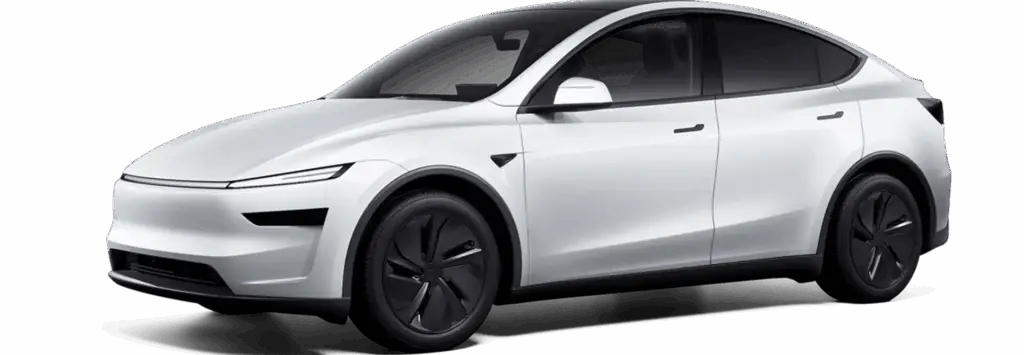
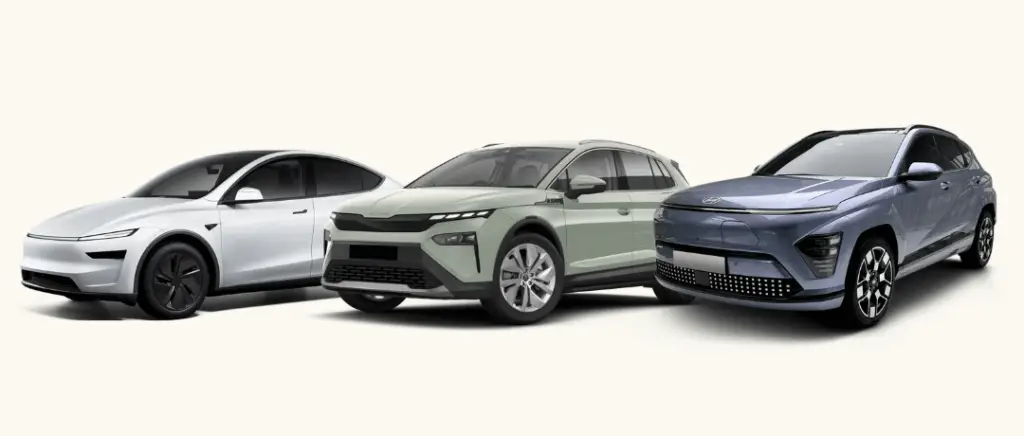
La Tesla Model Y dominates the rankings thanks to its versatility, which combines performance, autonomy and on-board technology. This electric vehicle, which needs no introduction, is winning over businesses thanks to its extensive recharging network and practical day-to-day capabilities.
Discover our range of Professional leasing for the Tesla Model Y.
No.2: Škoda Elroq 60
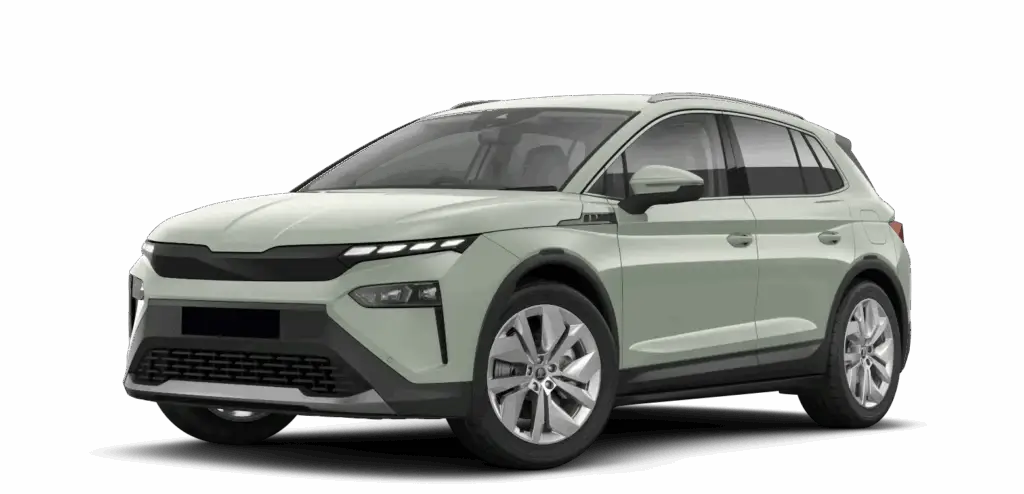
The outsider who created a surprise with its sales last Octoberthe Škoda Elroq is a compact electric SUV with a solid range and a good balance between comfort and performance. It offers practicality for the city and versatility on the road, an asset for businesses looking for a flexible solution.
Discover our range of Professional leasing for the Škoda Elroq.
No.3: Hyundai Kona Electric
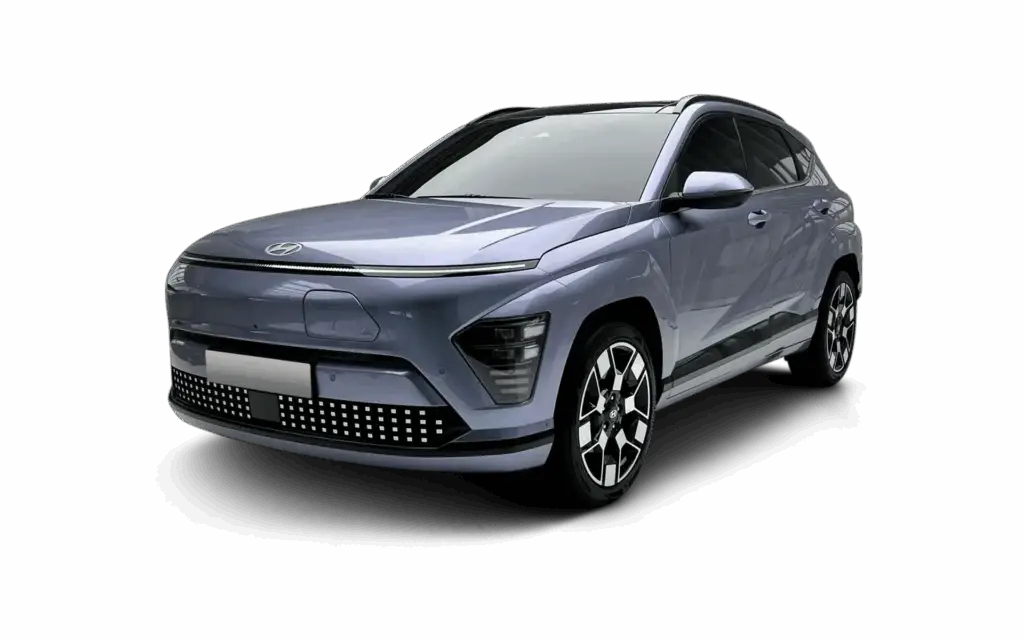
Le Hyundai Kona Electric is appreciated for its generous range and economical features. Ideal for daily journeys and missions in urban and suburban areas, it gives fleet managers a reliable electric vehicle with low running costs.
Discover our range of Professional leasing for the Hyundai Kona Electric.
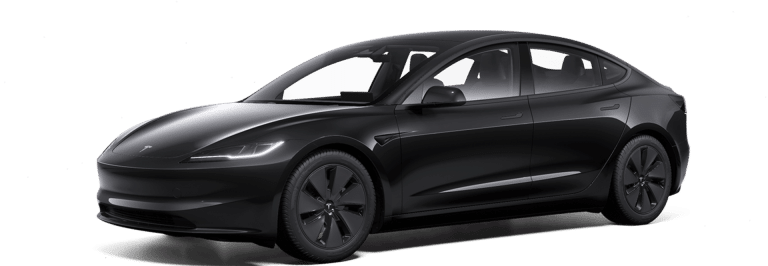
No.4: Tesla Model 3
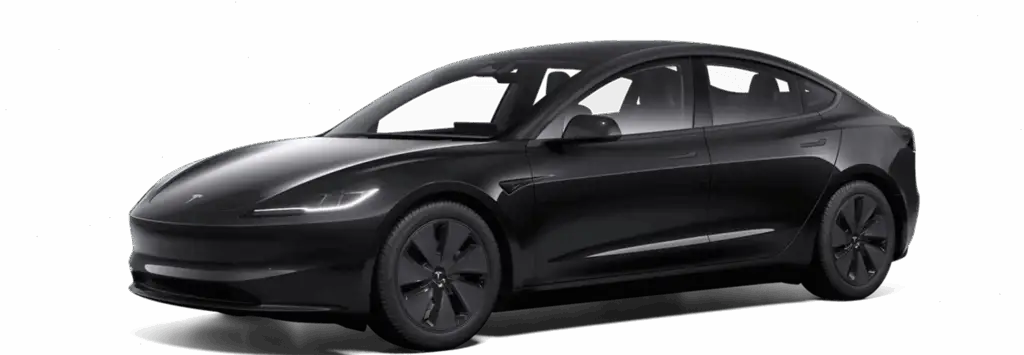
La Tesla Model 3 continues to set the standard for electric business cars. It offers an excellent compromise between driving dynamics, range and running costs. A highly reliable choice for business travel.
Discover our range of Professional leasing for the Tesla Model 3.
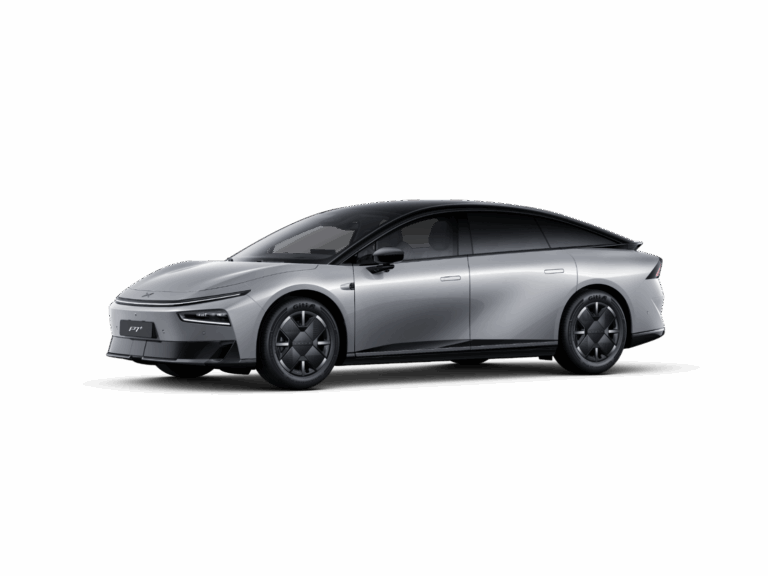
NO.5: XPENG G6
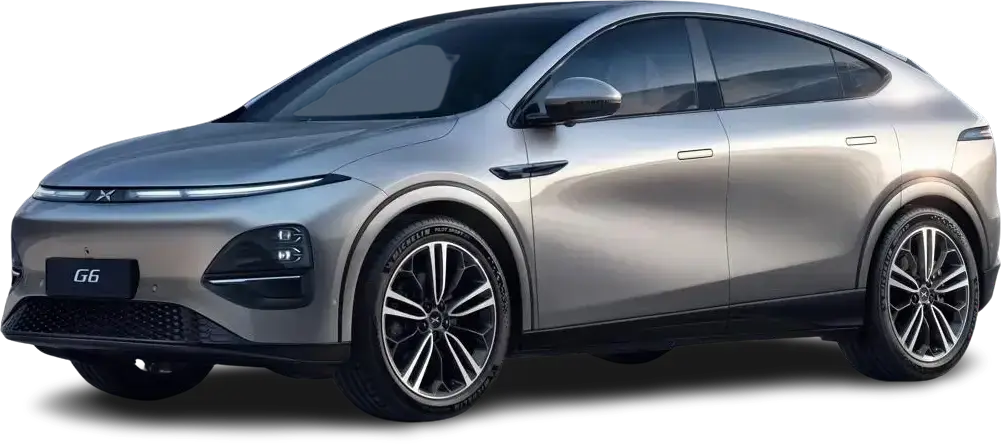
Le XPENG G6 is making a name for itself in professional fleets thanks to its generous WLTP range, spacious boot space and high-performance rapid recharging. Its dynamic powertrain and well thought-out comfort make it a versatile electric SUV, capable of meeting a wide range of professional needs.
Discover our range of Professional leasing for the XPENG G6.
No.6: Kia EV3
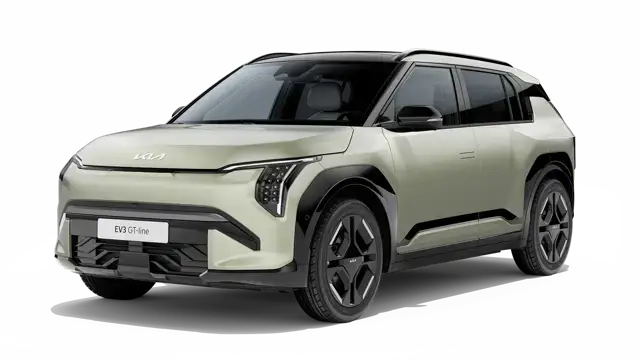
Le Kia EV3 is a compact electric vehicle perfectly suited to businesses looking for a compromise between range and comfort. With a power output of almost 204 hp and a fast recharging system, it can be used efficiently on a wide range of missions, from city journeys to cross-country travel.
Discover our range of Professional leasing for the Kia EV 3.
No.7: Volkswagen ID.4
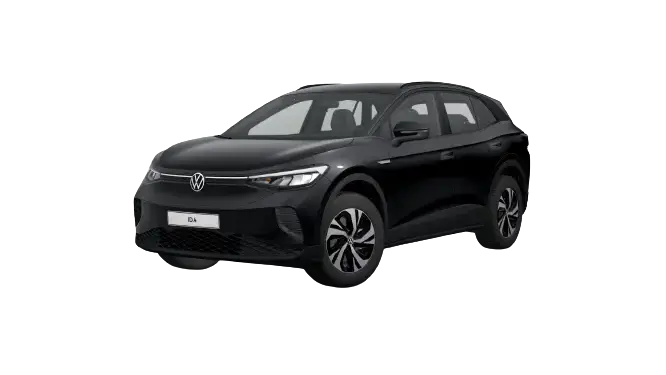
Le Volkswagen ID.4 is a spacious and comfortable electric SUV with a range to suit everyday needs. With a generous boot and safe driving characteristics, it's an attractive option for corporate fleets thanks to its excellent level of equipment.
Discover our range of Professional leasing for the Volkswagen ID.4.
No.8: Renault Scenic E-tech
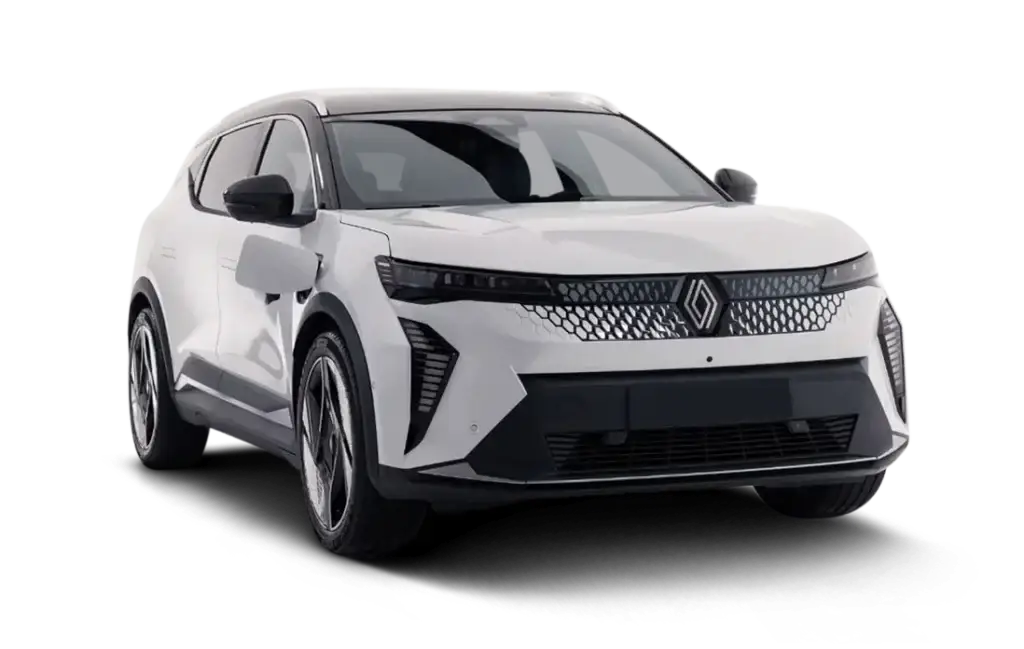
A compact MPV, the Renault Scenic E-tech electric stands out for its modern silhouette, generous interior comfort and a range suited to daily journeys. It's the perfect choice for teams who need versatility and comfort in equal measure.
Discover our range of professional leasing for the Renault Scenic E-tech.
No.9: BMW iX1
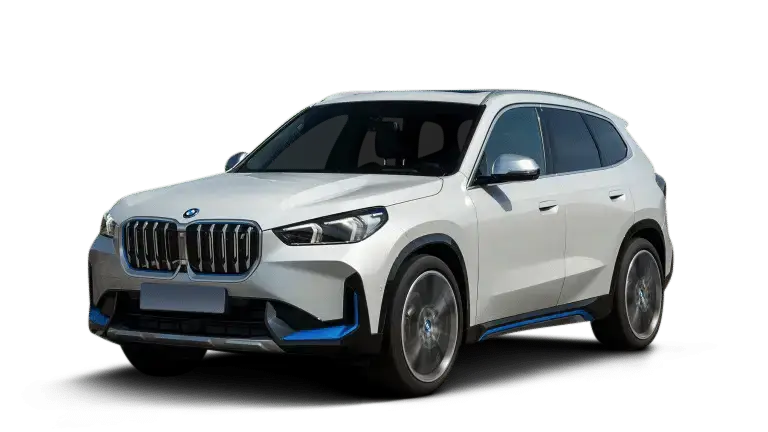
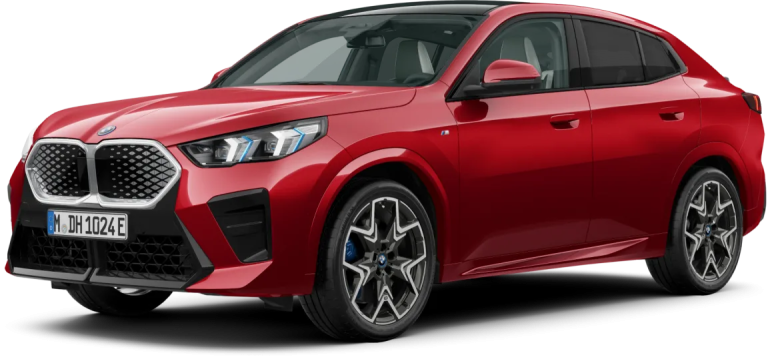
Le BMW iX1 is a premium electric vehicle that will appeal to fleet managers thanks to its quality finish, advanced driving aids and a range that's just right for everyday business journeys or trips across the whole country.
Discover our range of Professional leasing for the BMW iX1.
N°10: Polestar 4
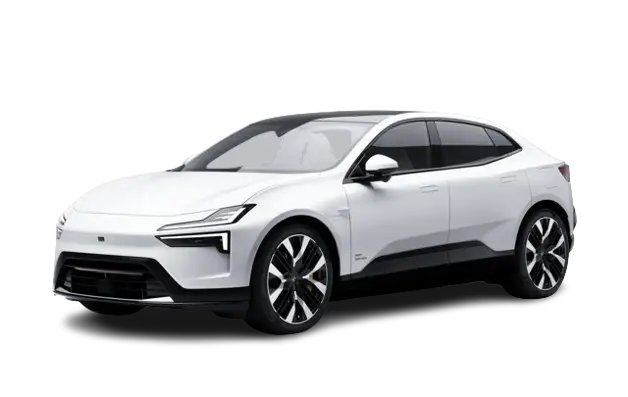
Le Polestar 4, the 100 % electric SUV coupé, stands out for its sleek design and excellent fuel efficiency. With a competitive WLTP range, modern on-board technologies and a comfortable driving experience, it's perfect for fleets that want to combine performance with their brand image.
Discover our range of Professional leasing for the Polestar 4.
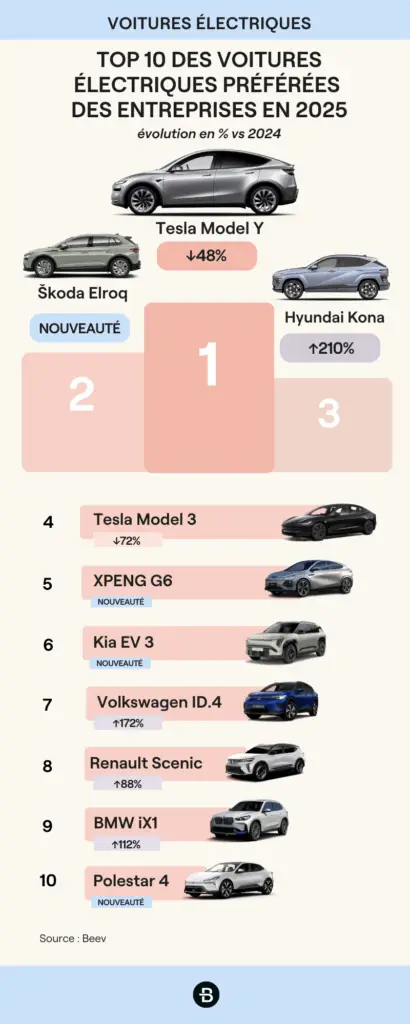
Our Top 10 in infographic
Summary table
| Rang | Modèle | Autonomie WLTP (km) | Consommation (kWh/100 km) | Durée recharge DC (10–80 %) | Prix catalogue (€) | Prix leasing LLD (€/mois) à partir de | Évolution des ventes vs 2024 (%) |
|---|---|---|---|---|---|---|---|
|
1
|
Tesla Model Y
|
500
|
14,4
|
18 min
|
44 990€
|
473€
|
- 48%
|
|
2
|
Škoda Elroq
|
449
|
15,2
|
24 min
|
36 620€
|
445€
|
new
|
|
3
|
Hyundai Kona Electric
|
484
|
92,9
|
44 min
|
40 250€
|
390€
|
+ 210%
|
|
4
|
Tesla Model 3
|
495
|
12,3
|
25 min
|
39 990 €
|
449€
|
- 72%
|
|
5
|
XPENG G6
|
570
|
15,8
|
21 min
|
46 990€
|
535€
|
new
|
|
6
|
Kia EV 3
|
429
|
14,9
|
30 minutes
|
35 990 €
|
437 €
|
new
|
|
7
|
Volkswagen ID.4
|
346
|
16,2
|
33 min
|
44 000 €
|
630 €
|
+ 172%
|
|
8
|
Renault Scenic
|
430
|
15,6
|
35 min
|
41 990€
|
525 €
|
+ 88%
|
|
9
|
BMW iX1
|
474
|
14,7
|
1h13
|
46 900 €
|
483 €
|
+ 112%
|
|
10
|
Polestar 4
|
620
|
169,0
|
31 min
|
61 800 €
|
550 €
|
new
|
Source : Beev
Summary table - Evolution of brand sales for companies in 2025
This table highlights the sales trends of the main brands of electric vehicles favoured by businesses in 2025, compared with 2024. Some of the key players include Tesla, Škoda, Hyundai, Kia, Volkswagen or Renault, but also the rise of more recent brands in the professional market, such as XPENG, BMW and Polestar.
| Classement des ventes | Marque | Évolution depuis 2014 |
|---|---|---|
|
1
|
Tesla
|
- 66%
|
|
2
|
Skoda
|
+ 320%
|
|
3
|
Hyundai
|
+ 220%
|
|
4
|
Toyota
|
- 22%
|
|
5
|
Renault
|
- 51%
|
|
6
|
KIA
|
+ 300%
|
|
7
|
XPENG
|
New at
|
|
8
|
Volkswagen
|
+ 120%
|
|
9
|
BYD
|
- 50%
|
|
10
|
Polestar
|
New at
|
Source : Beev
Analysis and key findings of the classification of electric vehicles in companies
This top 10 of 2025 reveals a number of trends that define the choice criteria and priority expectations of business fleets.
High-performance vehicles for intensive professional use
The first major observation concerns range. Most of the models in the top 10 have a WLTP range of between 400 and 600 kilometres. That's enough to cover the vast majority of daily business journeys without needing to recharge during the day. In fact, it reassures fleet managers and removes the organisational constraints associated with recharging during working hours.
Fuel efficiency is also a key criterion. With the exception of the Hyundai Kona Electric and the Polestar 4, companies prefer vehicles that consume less than 18 kWh/100 km in real-life conditions. This significantly reduces running costs while maximising range.
Fast charging capacity (DC) is also emerging as a major differentiating factor. Models capable of accepting charging power of 150 kW or more are particularly popular with fleets. And with good reason: they can recover 200 to 300 kilometres of range in just twenty minutes! This is a crucial feature for long-distance journeys or a series of appointments in the same day.
An optimum balance between cost and versatility for corporate fleets
While some premium vehicles remain in the top 10, there is still a strong representation of models priced between €35,000 and €50,000. This is because they offer a good compromise between equipment, range and cost.
The typology of vehicles also reveals a marked preference for electric SUVs and crossovers, which account for more than 60% of the top 10. This trend can be explained by their versatility and their elevated driving position, which is much appreciated by drivers.
What this ranking reveals about the expectations of corporate fleets in 2025
The market for electric vehicles in business is becoming increasingly mature. Today, fleet managers are no longer content to electrify their vehicles out of a regulatory obligation. They are looking for vehicles that offer a superior driving experience to combustion engines. With range seen as less of a limitation, they are turning their attention to other criteria such as comfort and on-board connectivity.
There was also a diversification of the brands represented. There is a balanced presence of European, American and new Asian manufacturers. This openness shows that companies are focusing on the overall performance of the vehicle rather than simply on brand recognition.
Focus on the performance of electric vehicles in companies
Real autonomy versus professional use: a perfect match from now on
Range was the number one concern for fleet managers considering electrification. But the vehicles in Beev's top 10 put those fears to rest once and for all. The WLTP range starts at a minimum of 346 kilometres. Although actual range varies in practice, it is still more than sufficient to cover the majority of business uses (home-work journeys, customer meetings, sales rounds, etc.).
Fleet managers also appreciate the predictability of the range offered by modern electric vehicles. Integrated navigation systems accurately calculate the remaining range, taking into account driving style, terrain and weather conditions. In this way, they reduce the stress involved in planning recharges. This reliability of estimates is a major advance on the first generations of electric vehicles.
The winter period, traditionally more difficult for the autonomy of electric vehicles, is also becoming more manageable. The heat pumps that are now fitted to the majority of models limit heating-related over-consumption to a far greater extent than was the case with the first models. This new winter range offers companies based in the coldest regions more opportunities to switch to electric vehicles.
Consumption and optimisation of fleet energy costs
The energy efficiency of the electric vehicles in this top 10 list represents an economic lever for companies. With fuel consumption starting at 12.3 kWh/100 km, these vehicles have a much lower energy cost than their combustion-powered equivalents. In fact, they generate substantial savings in the medium and long term.
Companies can further optimise these costs by deploying intelligent recharging strategies. Recharging during off-peak hours, recently reformed, This budgetary predictability contrasts favourably with the soaring price of fossil fuels. This budgetary predictability contrasts favourably with the soaring price of fossil fuels.
Predictive maintenance based on consumption data is another competitive advantage. Anomalies detected by on-board systems provide an early warning of possible malfunctions. This makes it possible to intervene before a breakdown occurs, thereby reducing unplanned vehicle downtime.
Rapid recharging and its impact on employee productivity
Fast charging capability also transforms the experience of employees. It eases their organisational constraints when they regularly make long-distance journeys. For example, a 30-minute lunch break is more than enough time to recharge the vehicle sufficiently to continue the day with peace of mind.
What's more, recharging time can have a positive impact on overall productivity. You can use this time to prepare for the next appointment, answer emails, make phone calls... In short, you can turn this technical constraint into an organisational opportunity.
Comparison with the top 10 French sales of electric vehicles
The ranking of electric vehicles favoured by Beev's corporate customers differs from the Top 10 overall sales in France in 2025. The consumer market favours compact city cars and entry-level models.
This divergence is mainly due to radically different uses and constraints. Private individuals are primarily looking for a vehicle for commuting and everyday journeys. The latter are often less than 50 kilometres a day, so the need for autonomy is lower than for companies.
Taxation also plays a decisive role in these differences in ranking. Businesses and individuals do not benefit from the same tax incentives. To take just one example social leasing is available to individuals but not to businesses.
Finally, the needs of companies also focus on the image conveyed and the employee experience. Conversely, private individuals are primarily looking to reduce transport, usage and maintenance costs. They are also constrained by tighter budgets. That's why the vast majority of them are turning to the second-hand market, which is being driven by companies renewing their fleets.
Why the models in our top 10 are particularly well suited to corporate fleets
Optimised TCO and advantageous long-term leasing solutions
The Total Cost of Ownership is the major decision-making criterion for professional fleet managers. The electric vehicles in Beev's top 10 demonstrate their economic relevance over their entire life cycle, far beyond the simple list price. Over a holding period of 3 to 4 years, these models generate substantial savings compared with their combustion-powered equivalents.
This economic advantage is the result of a combination of factors:
- Lower energy costs, as electric power is much cheaper than diesel or petrol
- Reduced maintenance thanks to the mechanical simplicity of electric motors
- Insurance more favourable to electric vehicle drivers
Long-term leasing, the preferred option for many corporate fleets, makes electric vehicles even more attractive financially. Leasing companies factor all the tax benefits into their calculations, so they can offer competitive monthly rentals.
Companies also appreciate the budgetary predictability offered by electric leasing. Long-term leasing contracts include all cost items (maintenance, tyres, assistance, etc.). This eliminates unpleasant financial surprises and considerably simplifies administrative management.
Finally, the Fleet Manager, Beev's fleet management tool keeps you informed in real time of the number of kilometres driven, so you can avoid costly overruns. This tool, developed for and with fleet managers, makes it possible to centralised, detailed and simplified management of the latter.
Taxation, a key financial lever for businesses
The French tax framework provides substantial benefits for professional electric vehicles, encouraging the electrification of fleets. These include total exemption from the TAVT (formerly TVS). This represents an annual saving of between €2,000 and €6,500, depending on the vehicle's horsepower. This benefit is maintained throughout the ownership of the vehicle.
Tax depreciation is another major financial lever. Companies can write off the full purchase price of electric vehicles without any ceiling. Internal combustion vehicles, on the other hand, are subject to a deductibility ceiling of €30,000.
The benefit in kind associated with electric vehicles is also more advantageous than for internal combustion vehicles. As a reminder, this benefit refers to the tax and social security value added to the employee's salary when a company car is made available for personal use. In such cases, an electric vehicle can cost up to 50% less in benefits in kind. To calculate this benefit, we apply the flat-rate method (9% of the purchase price or 30% of the annual rental cost) followed by a deduction of 50%, capped at €1,800 per year.
This makes electric vehicles particularly attractive as company cars, and creates a win-win situation for both the company and the employee.
Enhanced brand image and employee experience
The electrification of the company fleet is also a tool for CSR communication and employer appeal. Electric vehicles are a concrete expression of the company's commitment to the environment. They also enhance credibility with customers, partners and even potential candidates. Indeed, a study carried out by Swytch in 2019 revealed that 70% of students and young workers would more readily accept a job with a company that has a positive environmental impact.
As for the employee experience, it's clear that electric vehicles make it much easier to access city centres, particularly since the introduction of the Low Emission Zones. Traffic restrictions spare electric vehicles, a significant operational advantage that preserves commercial efficiency and business continuity. At the same time, the regulatory environment is becoming increasingly restrictive for combustion-powered vehicles.
Conclusion
The top 10 electric vehicles favoured by Beev's corporate customers in 2025 illustrate the maturity reached by the electrification of business fleets. These models combine range with rapid recharging capacity and an optimised total cost of ownership to meet the exact requirements of fleet managers.
Over and above their enhanced technical performance, these vehicles demonstrate that electric power is no longer a compromise. They now represent a superior solution to combustion engines in many respects. What's more, the diversity of models and makes represented in this ranking testifies to the richness of the range available. Every company can now identify the electric vehicles that are perfectly suited to its needs and uses.
That said, electrifying a company fleet is still a project that requires in-depth expertise. From the precise sizing of charging points to tax optimisation and the choice of vehicles, each stage requires structured professional support. It is this support that will guarantee the success of the transition to an electric fleet.
Beev supports companies throughout their electrification process, with a global approach and personalised follow-up.
Monday to Friday, 9am to 12.30pm and 2pm to 7pm