














Monday to Friday
9am - 12.30pm - 2pm - 7pm
How much does a battery electric?
The battery in an electric car is a very expensive item, which is why, as a company, you have the option of having your battery depreciated in addition to the depreciation of your electric car. According to Bloomberg NEF, the price per kWh of electric batteries will be 152 $ in 2023, or around €140/kWh. The price of an electric battery will vary according to its total capacity, but also the various other components that make up the battery and the model of electric car. On average, the price of a battery varies from €4,000 to €6,000, although some cars are much more expensive. For a Tesla Model S, for example, the battery costs between €12,000 and €13,000.
Read also : How much does an electric car battery cost?
How long does an electric car battery last?
The battery in an electric car lasts a long time. By taking good care of your electric car, by not discharging it completely, and by not charging your electric battery to 100 % too often, you will be able to keep your battery in good health. According to a study carried out in 2021 by GeotabA study carried out on 6,300 electric vehicles showed a loss of 2.3 % of your electric battery's total capacity per year. Don't worry, this doesn't represent a very great loss.
What's more, if you have electric cars in your company's fleet, or if it's your company car for the self-employed, you've probably opted for an electric car. LLD with a three- or four-year contract. In this case, you won't notice the change between your new battery and the one that has lost capacity. It is also estimated that total life of a battery varies from 10 to 20 years depending on its use.
Read also : How long does an electric car battery last?
Electric car battery warranties by manufacturer
Battery warranties for electric cars are on average8 years or 160,000 kilometresHowever, this varies from manufacturer to manufacturer. Battery warranties are higher than what you will actually need specifically to keep you under warranty. Here are the guarantees according to certain manufacturers so that you can be informed of how long the electric battery will last.
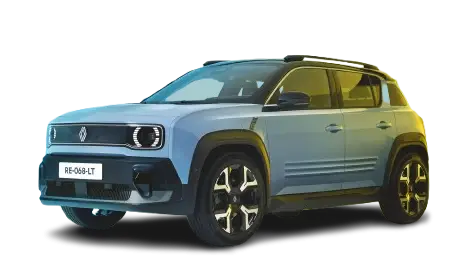
Renault electric
If you opt for a Renault Megane e-Tech or a Renault ZoeIn addition to the warranty, your electric vehicle's battery will be guaranteed for 8 years or 160,000 km. To qualify, the total capacity of your battery must be over 66 %.
Concerning the Kangoo e-Tech 100 % electricYour battery will be guaranteed for 5 years or 100,000 km, with a charge capacity of at least 66 %.
Peugeot electric
Let's stay in France, with the lion brand, Peugeot. If you have opted for a Peugeot e-208 or another electric vehicle in the brand, you'll be entitled to an 8-year or 160,000 km warranty on your battery. You'll also need to take care not to drop your total capacity below 70 %.
Dacia electric
La Dacia Spring also has a battery that is guaranteed for 8 years. However, this electric city car will be limited to a 120,000 km range to retain this warranty. You'll also need to be careful to maintain a minimum battery capacity of 75 %.
Tesla electric
For the manufacturer TeslaThe warranty on the electric battery varies not only according to the model of electric car, but also according to its finish. Here's a summary table to make things clearer.
| Modèle | Garantie de la batterie électrique |
|---|---|
|
An 8-year or 160,000 km warranty. You must maintain a minimum total battery capacity of 70 %. |
|
|
A warranty of 8 or 192,000 km. You need to maintain a total battery capacity above 70 %. |
|
|
An 8-year or 240,000 km warranty. You must also not have a battery capacity below 70 %. |
Volkswagen electric
Just like its competitors, Volkswagen electricFor those who have purchased electric cars, this means that the battery is guaranteed for 8 years or 160,000 km. As far as usable capacity is concerned, you'll need to make sure that it doesn't fall below 70 %.
Kia electric
Le manufacturer Kia has chosen to offer a 7-year or 150,000 km warranty on its electric vehicle batteries. However, we do not know what the minimum percentage required to benefit from this guarantee is.
Hyundai electric
Finally, let's move on to Korean manufacturer HyundaiKia has introduced an 8-year warranty or a 160,000 km limit. Like Kia, we don't know whether a minimum percentage of usable battery is required to benefit from this cover in the event of a problem.
Recycling batteries for a second life
Batteries are also entitled to a new lease of life when they are deemed too old for a vehicle. Generally speaking, batteries are replaced when they reach around 70 %. Fortunately, a number of technologies have now been put in place to recycle electric car batteries. It is therefore possible to recover 90 % of lithium, of cobalt or copper in your vehicle's battery.
Companies such as Orano, in France, or a recycling plant in Quebec are currently working on improving the recycling system and are showing great results. In fact, the Quebec plant managed to recover 95 % of the battery cells, with a component purity level of 99.98 %.
Another great piece of news about the second life of electric batteries is that this could help to reduce demand for lithium by at least 25 %, so we can hope that delivery times will be shorter due to a shortage of elements less important.
Read also : Recycling electric car batteries
How do you look after your electric battery?
Here are a few tips to help you look after the battery in your electric car.
Make small refills
To keep your battery in good condition, you should as often as possible avoid full refills which will heat up your battery. If you are recharging at a DC terminal, do not go beyond 80 % of batteries. Especially as the recharging time for the last 20 % will be the same as for the first 80 per cent.
What's more, it is preferable to use slow loads if you are able to do so at home or at work.
The load window
In correlation with the previous point, your battery will wear out faster if you constantly recharge it at 100 %. But it's also important to ensure that you don't drain your electric car battery below 20 % too often.
Do not use rapid charging on a daily basis
Of course, using a direct-current charging point, i.e. one that charges quickly, is the most advantageous in terms of charging time. Using it frequently will have no impact on your battery. However, we recommend that you don't connect to them on a daily basis and that you only use this type of charging point for your electric car. It's better to charge slowly throughout the week at home or at work. And use the fast charge points when you're on long journeys, such as going on holiday or using the motorway.
Parking your car under cover
Depending on the season, your car will be more or less affected by the weather. In winter, the cold will demand more effort from your battery, whereas in summer, it is more likely to overheat. That's why, if you have a garage, putting your electric car will enable you to preserve its battery.
Read also : 6 tips to improve your electric car's range in winter
Drive regularly
Regular use of your electric car will keep your electric battery in good health. Ideally, you shouldn't leave your vehicle unused for more than a few days.
In conclusion
Car manufacturers have therefore chosen a specific number of years and kilometres for their vehicles. higher than the usual use of electric cars. So don't worry about replacing your battery and the costs involved.
What's more, with the recycling of electric batteries becoming more and more efficient, we can only be more confident about embarking on our ecological transition.
If you would like to find out more aboutsupport for the installation of charging points for private customers in 2024For more information, see our article on this subject.
Until 31 December 2022Discover the range of electric vehicles available for delivery before Christmas!