









What the sales rankings reveal in 2025
Le Top 10 sales is more than just a ranking: it reflects the major changes in the market and the expectations of users in 2025.
The first lesson is clear: electric cars have become commonplace. The dominant models are no longer just technological pioneers, but also vehicles designed for everyday use, with a clear value proposition. The market is now focusing on overall consistency rather than raw performance.
The second strong signal is the gradual convergence between the expectations of private individuals and those of professionals. Autonomy “In this way, the ”useful", easy-to-recharge, reliable and cost-effective models are becoming universal criteria. Successful models are often those that can be easily integrated into a car policy or standard family use, without any major constraints.
Lastly, the 2025 ranking highlights a more mature market There have been fewer one-off “hits” and more stable sales, a sign that certain models are now firmly established in the French automotive landscape.
For individuals and businesses
The full 2025 ranking and key figures
The top 10 best-selling electric cars in France in 2025 confirms a number of structural trends. The most popular segments are multi-purpose city cars, compact cars and compact SUVs, all of which meet the needs of households and fleets alike.
Volumes are heavily concentrated at the top of the ranking: the top 5 capture a very significant share of total sales, while models ranked between 11ᵉ and 20ᵉ place play an increasingly strategic role for these specific uses or for fleets with particular constraints.
This ranking also reflects manufacturers' ability to deliver quickly, to offer competitive financing packages and to reassure customers about the availability of parts and after-sales service, all of which will be decisive factors in 2025.
Top 5 best-selling electric cars in 2025
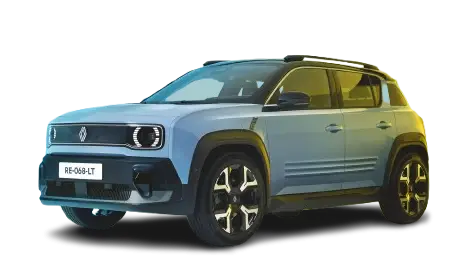
1. Renault 5 37,997 registrations
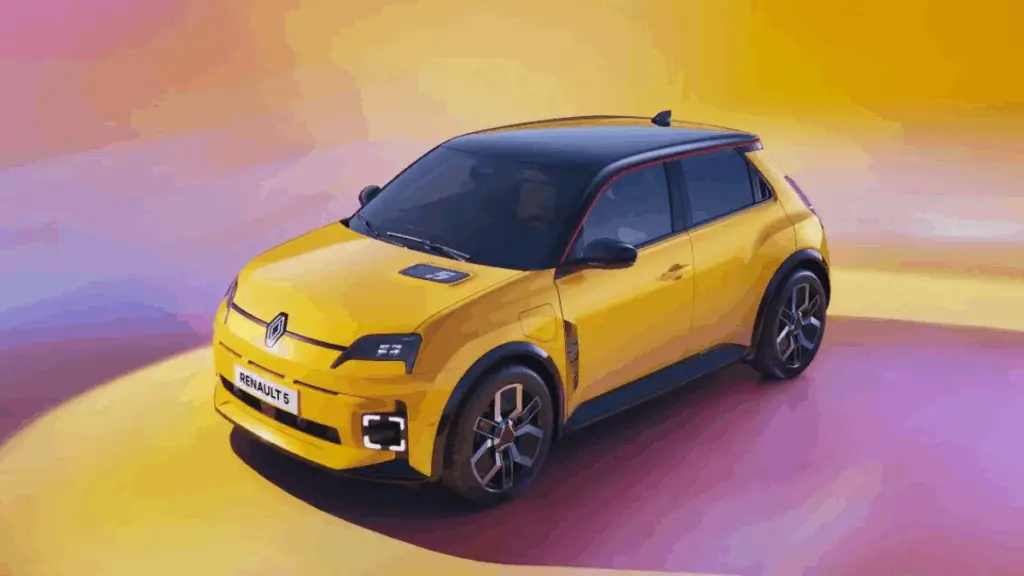
The Renault 5 will be the best-selling electric car in France in 2025, with almost twice the volume of the second best-selling model.
Its success is based on a rare combination:
- aggressive price positioning,
- compact format perfectly suited to urban and suburban use,
- strong, reassuring image,
- easy integration into fleets (company vehicles, pool cars, local authorities).
This is typically a model that enables large volumes to be electrified quickly without complicating operations.
2. Tesla Model Y: 19,207 registrations
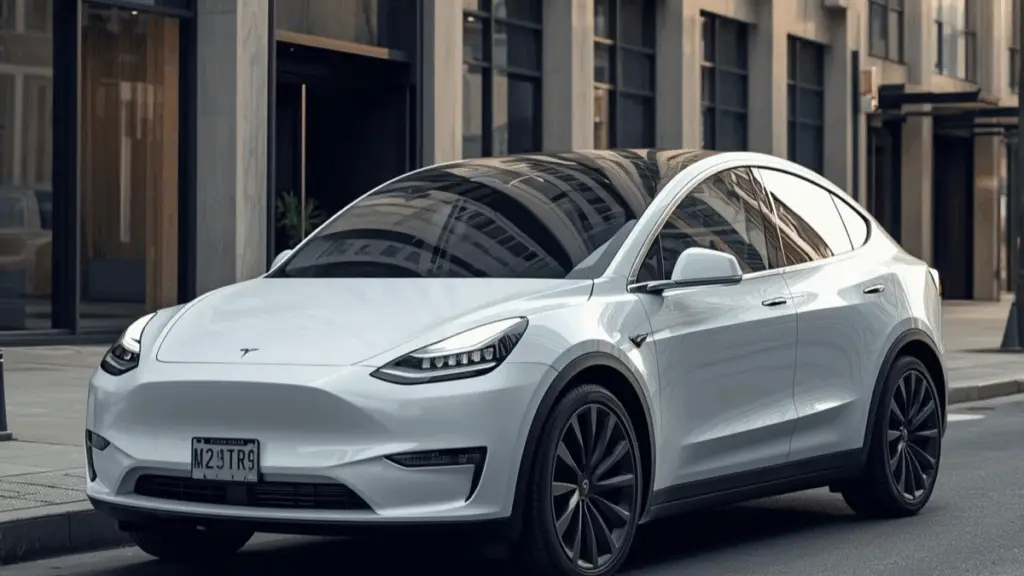
The Tesla Model Y remains strong, but is clearly down on previous years. Nevertheless, it remains a mainstay of the market, particularly for company cars and executive profiles.
Its strengths:
- comfortable autonomy,
- fast-charging network,
- strong technological image.
The Model Y remains relevant for touring or premium functions, particularly where range and fast charging are key criteria.
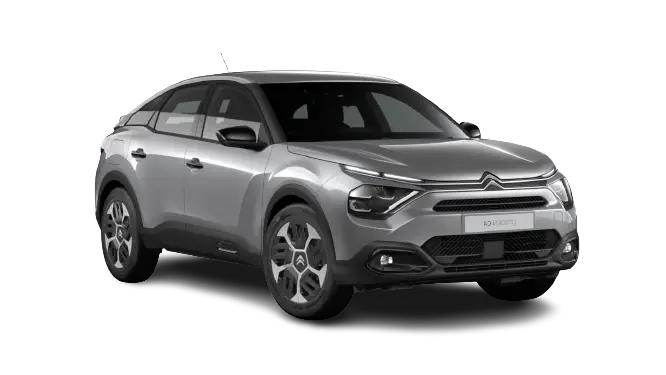
3. Citroën ë-C3 16,223 registrations
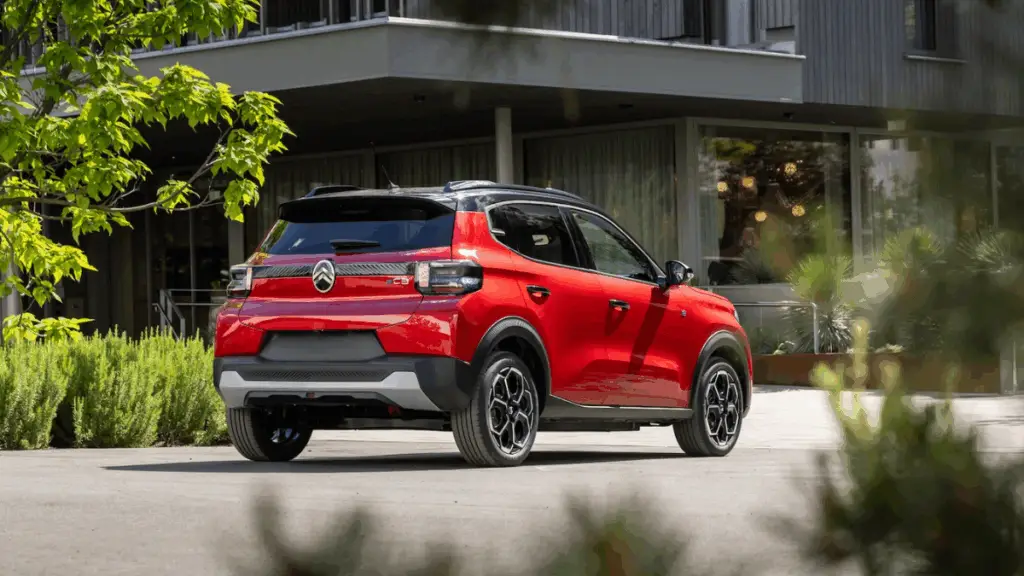
The Citroën ë-C3 has made a spectacular entry into the top 3. It is the perfect embodiment of the new wave of accessible, simple electric cars designed for everyday use without constraints.
It is highly attractive to companies looking for rapid electrification on a budget, particularly for urban use.
4. Renault Scénic E-Tech: 16,128 registrations
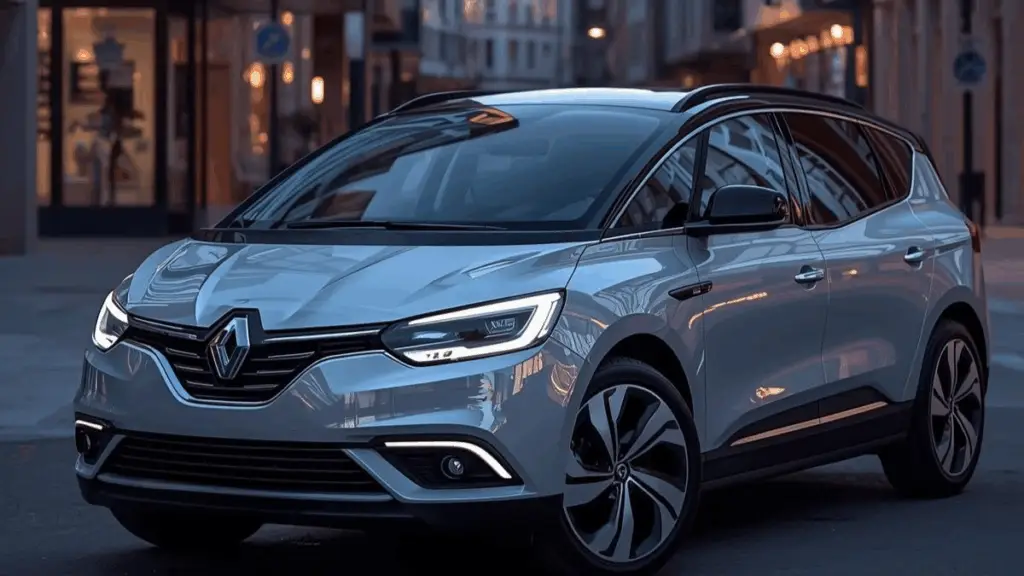
With the Scénic E-Tech, Renault has placed a second model in the Top 5. This success confirms the market's appetite for versatile family vehicles that can be used for both business and pleasure.
It's an excellent compromise for regular commuters who need comfort and volume.
5. Peugeot e-208 14,290 registrations
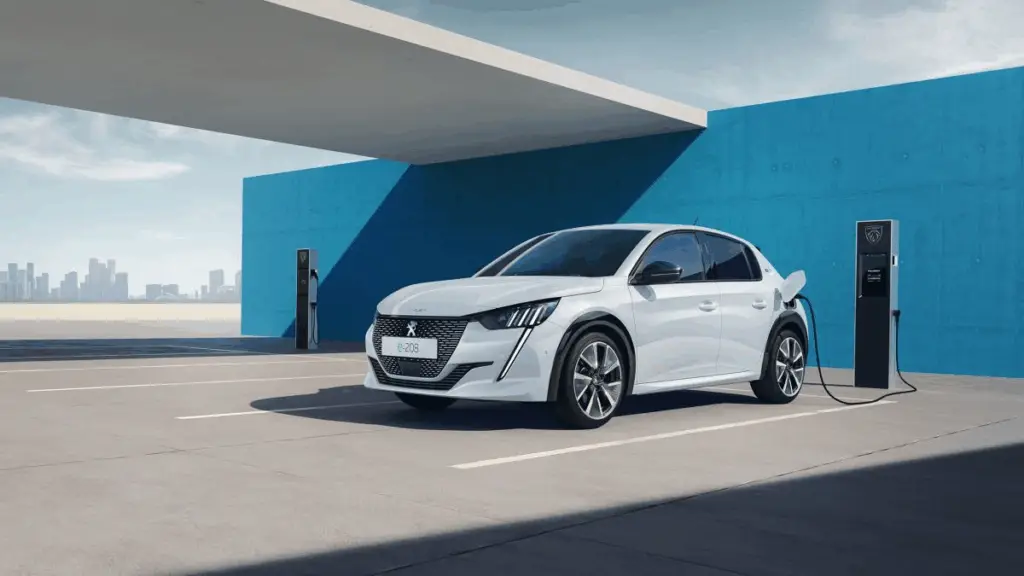
The Peugeot e-208 remains a sure bet in the French electricity market. Despite increased competition, it remains highly attractive thanks to its format, mass distribution and industrial maturity.
This model is particularly popular for service vehicles and certain commercial functions.
Top 6 to 10: models that confirm their success
This section of the ranking groups together solid, well-installed models, which often form the core of company electric car policies.
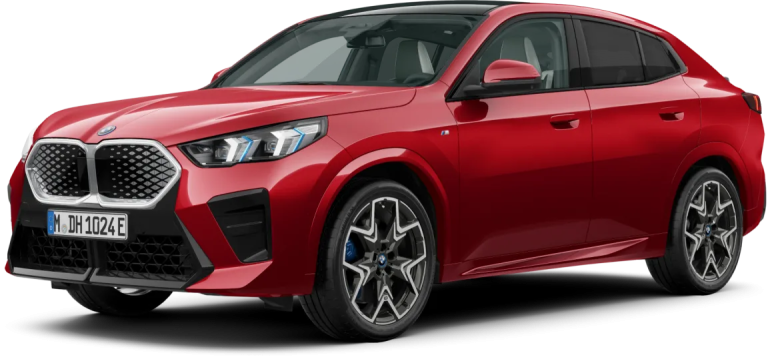
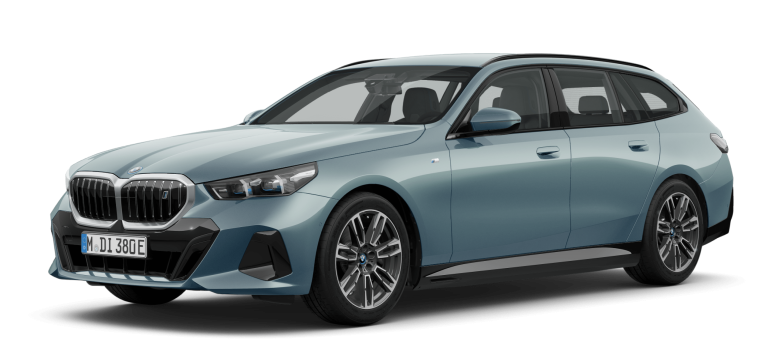
6. BMW iX1: 8,897 registrations
The BMW iX1 confirms the growing popularity of premium electric vehicles in the fleet, particularly for top-of-the-range company cars.
7. Renault Mégane E-Tech: 8,752 registrations
The compact, versatile Mégane E-Tech continues to win people over with its balance of range, comfort and professional image.
8. Volkswagen ID.3: 8,415 registrations
The Volkswagen ID.3 remains a mainstay of the compact segment, often chosen as a rational alternative by mid-size fleets.
9. Peugeot e-2008: 8,231 registrations
An urban SUV appreciated for its comfort and versatility, the e-2008 continues to play an important role in sales.
10. Skoda Elroq: 7,948 registrations
A striking newcomer, the Elroq is rapidly making a name for itself thanks to its competitive price/performance ratio, which is much appreciated by fleet managers.
These models illustrate the stabilisation of the market around “core fleet” vehicles, without excessive risk-taking.
Beyond the Top 10: an increasingly diversified electricity market
Apart from the ten best-selling models, the French electric market will remain particularly rich in 2025. The second part of the ranking groups together vehicles with smaller sales volumes, but which meet very specific needs: urban mobility on a tight budget, premium electric SUVs, or multi-purpose vehicles for specific business requirements.
For fleets, these models do not dominate in terms of volume, but they do meet specific needs and can be highly relevant depending on the context.
Top 20 best-selling electric cars in France in 20
| Ranking 2025 | Model | Sales 2025 (France) | Segment | Recommended fleet use | Why it's relevant to business |
|---|---|---|---|---|---|
| 1 | Renault 5 E-Tech | 37 997 | Versatile city car | Company car / pool car | Low price, urban format, easy to deploy |
| 2 | Tesla Model Y | 19 207 | Compact SUV | Company car (executives) | Autonomy, image, recharging network |
| 3 | Citroën ë-C3 | 16 223 | City | Urban service vehicle | Accessibility, simplicity, competitive TCO |
| 4 | Renault Scénic E-Tech | 16 128 | Family SUV | Multi-purpose company vehicle | Comfort, range, mixed use |
| 5 | Peugeot e-208 | 14 290 | Versatile city car | Light commercial vehicle | Proven model, strong fleet distribution |
| 6 | BMW iX1 | 8 897 | Premium SUV | Premium company car | Image, comfort, employee appeal |
| 7 | Renault Mégane E-Tech | 8 752 | Compact | Intermediate company car | Balance autonomy / cost / image |
| 8 | Volkswagen ID.3 | 8 415 | Compact | Core fleet | Versatility, easy standardisation |
| 9 | Peugeot e-2008 | 8 231 | Urban SUV | Mixed use / service | Comfortable, reassuring format |
| 10 | Skoda Elroq | 7 948 | Compact SUV | Rational company vehicle | Good value for money |
| 11 | Dacia Spring | 7 428 | Mini-citadin | Fleet on a tight budget | Ultra-accessible, targeted urban use |
| 12 | Renault 4 E-Tech | 6 758 | City | Local authorities / services | Versatility, strong image |
| 13 | Audi Q4 e-tron | 6 338 | Premium SUV | Premium company car | Image, comfort, status |
| 14 | Audi Q6 e-tron | 6 177 | Premium SUV | Management | Upmarket electrics |
| 15 | Volkswagen ID.4 | 6 164 | Compact SUV | Intermediate fleet | Versatility, volume |
| 16 | Peugeot e-3008 | 6 161 | Compact SUV | Company car | New design, mixed use |
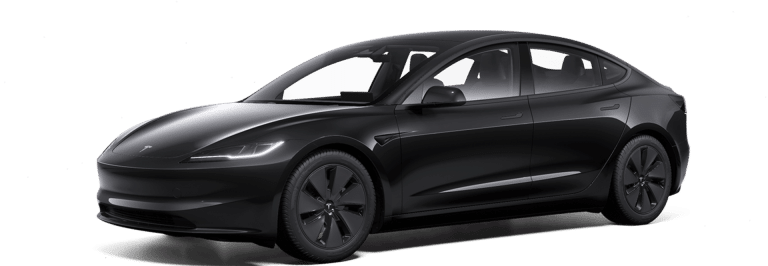
| 17 | Tesla Model 3 | 6 128 | Saloon | Tesla historical fleets | Autonomy, performance |
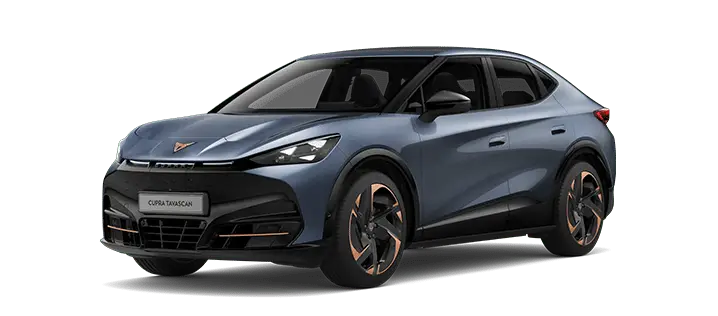
| 18 | Cupra Born | 5 119 | Sporty compact | Specific profiles | Dynamic image |
| 19 | Hyundai Kona Electric | 4 539 | Compact SUV | Mixed use | Reliability, real autonomy |
| 20 | Fiat 500e | 4 435 | City | Urban fleet / image | Handling, city centre |
Why these models dominate the rankings: 5 key factors in 2025
It's no coincidence that certain models are making a lasting name for themselves in the sales rankings. Five main factors explain their success in 2025.
Pricing and repositioning of electrical ranges
The first lever remains the price, or, more precisely, the perception of price. In 2025, many manufacturers will have reviewed their positioning, lowering prices, simplifying their ranges and making their offers easier to understand.
The models that dominate the rankings are often those whose entry price is consistent with the features on offer, and whose intermediate versions offer a good balance between equipment and budget. This logic is particularly important for fleets, where every euro counts for dozens or hundreds of vehicles.
Actual range vs. WLTP range
The advertised range is no longer enough. Buyers, both private individuals and professionals, are now thinking in terms of real autonomy, which means they can cover a day's work or a week's journeys without any constraints.
The best-selling models are those whose range is predictable and stable, even in real-life conditions (motorway, winter, payload). This reliability is reassuring and reduces the need for intermediate recharging, which is a key factor for adoption in businesses.
Charging (AC/DC): power and compatibility
Ease of recharging has become a key criterion. The electric cars that dominate the market offer efficient AC charging for everyday use and sufficiently fast DC charging for occasional longer journeys.
As well as power, compatibility with existing infrastructures plays a major role. Interoperable models, capable of recharging without difficulty at the majority of public and private charging points, have a decisive advantage.
Lease offers, residual value and availability
By 2025, a significant proportion of electric vehicle sales will be through full service leasing. Top-ranked models are often those with a good residual value, allowing competitive rental rates.
Availability is another key factor. Businesses, in particular, prefer models that can be delivered quickly, and that can be integrated into a fleet renewal schedule without any time lag.
Usage costs and TCO
Finally, the total cost of ownership (TCO) has become a central criterion.
Controlled electricity consumption, reduced maintenance, limited wear and tear on certain parts: the best-selling models are those whose running costs are predictable and competitive over time.
For fleets, this is a decisive factor. A model may be attractive to buy, but lose all interest if it generates hidden operating costs.
Use the TCO simulator to calculate the total cost of ownership of your car and compare it with its internal combustion equivalent.
Which electric models are most appropriate for company fleets?
Beyond the overall ranking, the key question for professionals is: which models are really suitable for fleet use? The answer depends very much on the type of use and the profile of the drivers.
Electric company vehicles (executives, sales staff)
When it comes to company cars, companies are looking for a compromise between image, comfort and range. The models ranked highest in the top 10 often meet these expectations: sufficient range for business trips, driving comfort, technological equipment and a positive image.
These vehicles must also be easy to integrate into leasing packages and offer a simple recharging experience, particularly for employees recharging at home.
Electric service vehicles (urban / suburban)
Service vehicles follow a different logic. Here, priority is given to simplicity, robustness and ease of recharging on site.
Compact models, which are well represented in the top 10, are often the most suitable, with sufficient range for a day's work, low running costs and compatibility with slow or accelerated recharging in the workplace.
Multi-site fleets: which models make deployment easier?
For multi-site fleets, standardisation is a major challenge. Models that facilitate deployment are those that can be used in a variety of contexts, with consistent charging and controlled costs.
In this case, the 2025 ranking highlights the value of versatile models, capable of adapting to different usage profiles without complicating fleet management.
Things to remember: how to choose the right electric model in 2026
The ranking of the best-selling electric cars in France in 2025 confirms that the market has now reached maturity. The models that dominate are not necessarily the most innovative on paper, but those that offer the best balance between real use, controlled costs and ease of operation.
For companies, the choice of an electric vehicle can no longer be limited to a comparison of technical specifications. It must be based on a comprehensive, operational analysis: the range actually required, suitable recharging solutions, financing methods, running costs and compatibility with business constraints. These are the factors that determine the long-term performance of a fleet.
It is precisely to meet these challenges that Beev's Fleet Manager tool helps companies to manage and optimise their electric fleets. By centralising data on vehicles, usage and recharging, it helps to identify the most relevant models, anticipate operational needs and steer the electric transition in a structured and sustainable way.
Thanks to this tool, organisations have a clear, actionable view of their fleet, enabling them to take more informed decisions and accelerate their transition to high-performance electric mobility.
Manage your fleet easily with our dedicated tool

A fleet management tool from A to Z
- Add your fleet and employees in just a few clicks
- Plan your transition to electric vehicles and monitor your CSR objectives in real time
- Centralise your expenses