

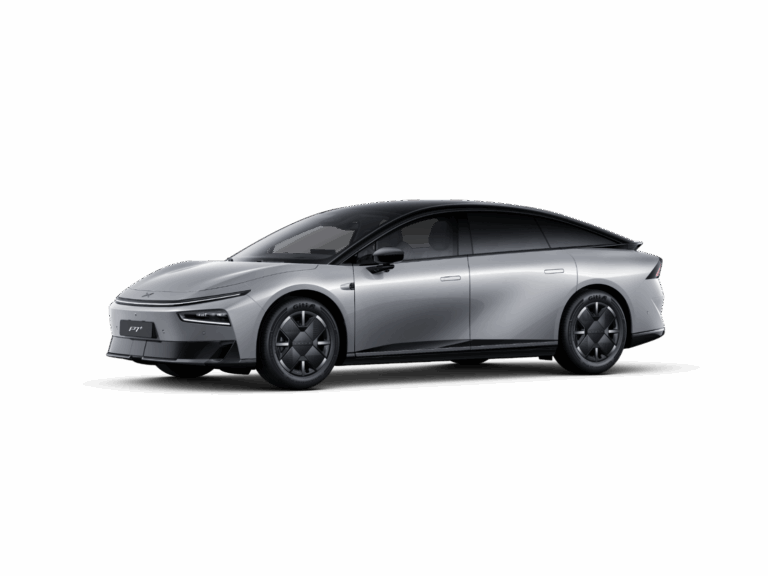
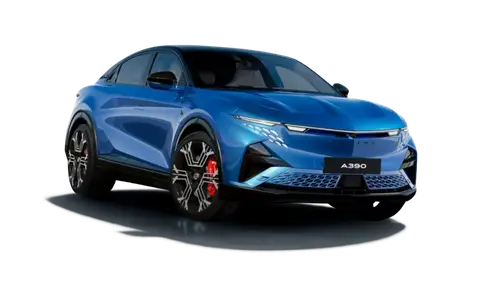
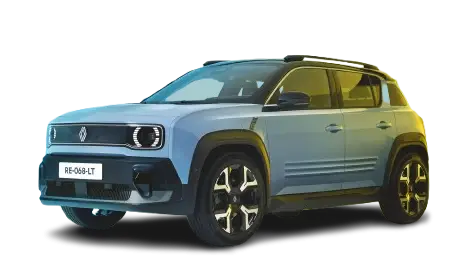









The end of combustion-powered cars in 2035: a reaffirmed transition to 100 % electric cars
The European Union has decided to ban the sale of internal combustion engines from 2035. This measure is aimed primarily at petrol, diesel and hybrid vehicles, which emit CO2 as they drive. However, this ban does not mean that all cars will have to be electric: alternatives such as vehicles powered by hydrogen, biofuels or synthetic fuels will continue to be marketed. Combustion-powered cars already on the road will not be banned, but their numbers will gradually diminish as a result of the natural renewal of the car fleet.
What exactly does the 2035 ban on internal combustion cars entail?
This ban only applies to the sale of new light vehicles that emit CO2. From 1 January 2035, only «zero-emission» vehicles will be allowed to be sold in the European Union. This mainly includes electric cars, but also those using alternative technologies such as hydrogen.
Thermal cars already on the road can continue to be driven and sold on the second-hand market. This decision is accompanied by a review clause scheduled for 2026 to assess the feasibility of the target and adjust the measures if necessary.
What are the climate and economic objectives behind this decision?
The ban on internal combustion cars is part of an overall strategy to combat climate change and decarbonise transport. The automotive sector is responsible for a significant proportion of greenhouse gas emissions. The aim is therefore to reduce these emissions to achieve carbon neutrality by 2050.
In economic terms, this transition also aims to stimulate technological innovation and develop a competitive market for electric vehicles, while reducing dependence on fossil fuels. In addition, this measure could improve air quality in urban areas and reduce noise pollution from combustion engines.
Marc Ferracci and the PFA reaffirm the move towards electric vehicles

Industry Minister Marc Ferracci and the Automotive Platform (PFA) recently reiterated their commitment to the transition to 100 % electric mobility by 2035. At a meeting, they emphasised that despite some European relaxations on CO2 emission reduction targets, the trajectory set remains unchanged. The aim of this collaboration is to strengthen support for the French automotive industry while maintaining its competitiveness in the face of international challenges.
What is Minister Marc Ferracci's position on this transition?
Marc Ferracci firmly defends the transition to electric vehicles as a strategic opportunity for French industry. He stresses the importance of supporting players in the sector in this change, notably through the France 2030 plan and European initiatives. He also highlights the flexibilities obtained at European level to reduce the financial penalties linked to emissions without compromising the 2035 target. In his view, this transition must be part of a balanced economic and social dynamic, supporting both companies and employees.
What role does the Automotive Platform (PFA) play in supporting the sector?
The PFA plays a central role in structuring and supporting the French automotive industry. It brings together more than 4,000 companies in the sector and coordinates joint strategies for innovation, competitiveness and employment. In partnership with public and private players, it helps companies adapt to new technological requirements, such as the development of electric vehicles and battery recycling. The PFA is also involved in initiatives such as the France 2030 plan to modernise the industry and boost its attractiveness in the face of increased international competition.
Ban on internal combustion vehicles in 2035: the French National Assembly rejects the proposal
On 17 February 2025, the French National Assembly rejected the inclusion in national law of a ban on the sale of new combustion-powered vehicles from 2035, even though this measure had been adopted at European level. The close vote, with 34 votes against and 30 in favour, reflects growing opposition to this deadline, which is considered too rapid and costly. Opposing MEPs, mostly from the Rassemblement National and some Republicans, pointed to the high cost of electric vehicles for low-income households and the challenges facing the European automotive industry, particularly competition from China.
Although this rejection does not negate France's obligation to comply with the European directive by virtue of the primacy of European law, it does illustrate political and social resistance to a transition that is perceived as imposed and hasty. The text must now be examined by the Senate, where the government may attempt to reintroduce the measure.
A strict regulatory framework: the laws governing this transition
What does European legislation say about the end of combustion engine car sales in 2035?
The European law adopted in 2023 provides for a ban on the sale of new cars powered by combustion engines (petrol, diesel or hybrids) from 2035. These regulations require car manufacturers to reduce the CO₂ emissions of new vehicles put on the market to zero.
However, exceptions have been made for certain small manufacturers and for vehicles using synthetic fuels, to give the industry time to adapt. The aim of this measure is to speed up the energy transition while harmonising the rules within the Member States.
What impact will the law on CO₂ emissions have for manufacturers and consumers?
The «CAFE» (Corporate Average Fuel Economy) regulation requires manufacturers to progressively reduce average CO₂ emissions per vehicle sold. In 2025, the threshold is set at 93.6 grams per kilometre, with high financial penalties (€95 per excess gram) for non-compliance. Manufacturers must therefore increase the proportion of electric vehicles in their sales to avoid these penalties.
For consumers, this could lead to a rise in the price of the remaining combustion-powered vehicles and an incentive to switch to electric models, the purchase cost of which is often offset by financial assistance.
How does the environmental bonus support the switch to electric cars?
By 2025, the environmental bonus remains an essential lever to encourage private individuals to adopt electric or hydrogen vehicles. This aid is awarded for the purchase or long-term lease (more than two years) of new cars with low or zero CO₂ emissions, provided their price does not exceed €47,000 and they weigh less than 2.4 tonnes. The amount of the bonus depends on the household's reference tax income (RFR) per unit:
- 4,000 for households with an income less than or equal to €16,300; ;
- 3,000 for an RFR between €16,301 and €26,200 ;
- 2,000 for an RFR of more than €26,200.
An additional €1,000 is available for residents of the French Overseas Departments and Territories in order to facilitate access to clean vehicles in these regions.
However, since December 2024, the ecological bonus no longer applies to professionals for private cars. It is now reserved exclusively for private individuals, although specific mechanisms may still exist for certain light commercial vehicles or hydrogen-powered vehicles under specific conditions.
The aim of this refocusing is to concentrate support on the households that need it most and to support a fair transition to electric mobility.
The impact of the end of combustion-powered cars on the automotive industry
The decision to ban the sale of new combustion engine cars in Europe from 2035 will have a major impact on the automotive industry. This transition represents a considerable challenge for manufacturers, who must invest massively in the development of electric vehicles while managing the gradual decline in the production of combustion engines. The impact on employment could be significant, with the risk of plant closures and redundancies, particularly in sectors linked to the production of combustion engines. However, this transition also offers opportunities for innovation and the development of new technologies.
How are French and European manufacturers adapting to this deadline?
European manufacturers are stepping up their efforts to develop competitive ranges of electric vehicles. They are investing massively in the research and development of more efficient batteries and in adapting their production lines.
However, they face major challenges, including competition from Chinese manufacturers and the need to offer affordable electric models.
Challenges and opportunities for businesses and individuals
What are the changes for car professionals and company fleets?
Companies, particularly those with large fleets, must adapt to the new obligations imposed by law. For example, the Loi d'Orientation des Mobilités (LOM) requires companies with more than 100 vehicles to gradually renew their fleets with low-emission models (less than 50 g CO₂/km), reaching 50 % by 2030. These obligations come with financial penalties, such as fines of up to €5,000 per non-compliant vehicle from 2027.
To meet these requirements, companies are investing in the electrification of their fleets. This involves not only purchasing electric vehicles but also installing charging stations on their sites. The challenges include managing’autonomy of electric vehicles, optimising recharging times and training fleet managers. However, these efforts enable companies to reduce their operating costs through savings on fuel and maintenance, while enhancing their environmental image.
See also our article :

How can consumers anticipate this transition?
For private individuals, anticipating the end of combustion-powered cars means making financial and practical preparations. They can take advantage of the ecological bonus or the conversion premium to reduce the purchase cost of electric vehicles. At the same time, it's essential to assess your range and recharging needs, so that you can choose a model that's right for your daily commute.
Consumers also need to familiarise themselves with the available infrastructure. The installation of a home charging point or access to a dense public network is a key factor in facilitating this transition. Finally, they can consider alternative solutions such as retrofitting (conversion of a thermal vehicle electric), although this option is still marginal.
In short, although the transition to electric mobility will mean major adjustments for everyone involved, it will also pave the way for more sustainable and innovative mobility.
What support and infrastructure is needed to support this change?
What financial schemes and incentives are there for buying an electric vehicle?
In France, a number of financial incentives are available to encourage the purchase of electric vehicles:
- The ecological bonus, the amount of which varies according to the household's reference tax income, ranging from €2,000 to €4,000.
- A tax credit covering 75% of the cost of acquiring and installing a home charging point, capped at €500.
- Reduced VAT rate of 5.5% for the installation and maintenance of home charging points.
The aim is to make electric vehicles more accessible and easier to use in everyday life.
What is the current state of deployment of charging points in France and Europe?
The deployment of recharging points is progressing rapidly in Europe:
- Europe now has more than 900,000 recharging points throughout its territory.
- France ranks 3rd with 119,481 shippers, behind the Netherlands (169,216) and Germany (152,332).
- The French government aims to have 400,000 charging points open to the public by 2030, including 50,000 high-power points.
The European Union has set an ambitious target: to install an electric charging point of at least 400 kW every 60 km along Europe's main motorways by 20263. However, deployment remains uneven between countries, with around 60% of charging points concentrated in the Netherlands, France and Germany.
Regulatory measures have been introduced to speed up deployment. For example, the LOM law requires that from 1 January 2025, all buildings open to the public with a car park of more than 20 spaces must equip at least 5% of these spaces with charging stations.
Conclusion
In conclusion, the road to the end of combustion-powered cars in 2035 is paved with challenges and opportunities. While Minister Ferracci and the PFA reaffirm their commitment, businesses and private individuals must adapt to the new regulations, take advantage of the financial assistance available and make the most of the constantly evolving infrastructure.
The LOM law is driving this transition, but it requires careful preparation and an understanding of the technical and economic issues involved. So, are you ready to embrace electric mobility? For personalised support in this transition, from choosing your vehicle to installing charging stations and optimising your fleet, don't hesitate to contact Beev for a smooth transition to a more sustainable future.