


























Impact on recharging costs for electric fleets
The significant drop in electricity prices in 2025 will profoundly transform the economics of electric mobility for businesses and fleet managers. The Commission de Régulation de l'Énergie (CRE) has announced a historic reduction of 15% on regulated electricity tariffs from 1 February 2025.
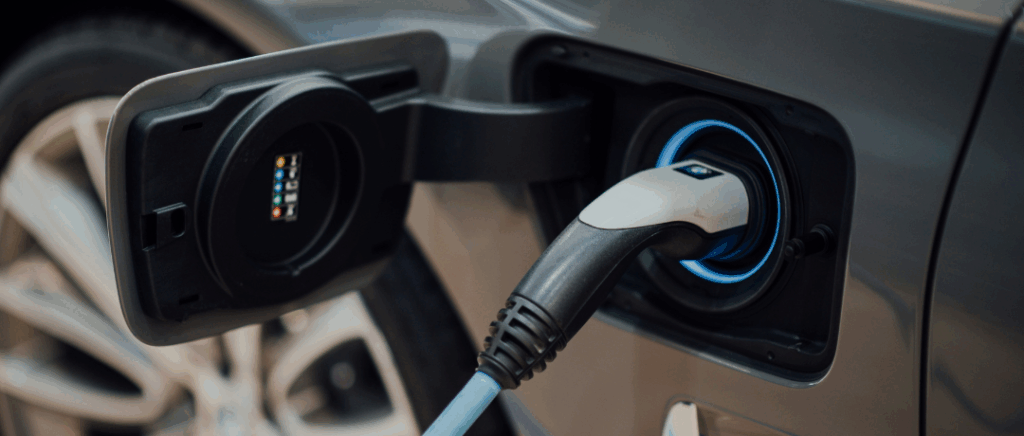
For electric vehicle fleets, this represents a major economic opportunity. Companies can now anticipate substantial savings on their recharging costs. In comparison, a 100 km journey in an electric vehicle will cost only €4 on average, compared with €11.50 for a car. thermal vehicle.
The key points for fleet managers are as follows:
- Average reduction of 15% on electricity tariffs
- Significantly lower recharge costs
- Greater competitive advantage for electric fleets
- Possibility of passing on these savings to the company's mobility strategy
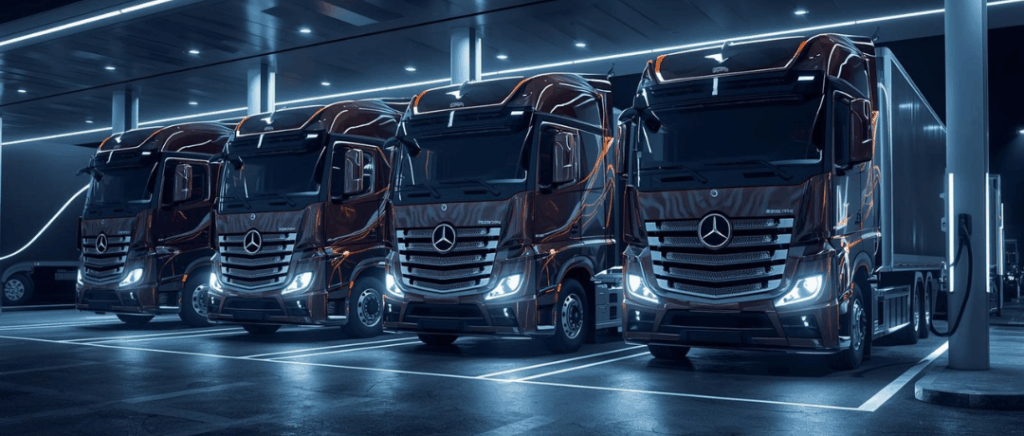
This tariff change, combined with the new CRE reforms planned for mid-2025, should accelerate the transition to electric 100% fleets. Companies that invest heavily in electricity will benefit particularly, with annual savings expected to exceed 1,000 per vehicle.
Opportunities for suppliers of recharging solutions
The development of the electric vehicle market offers significant strategic opportunities for suppliers of recharging solutions. Players in the energy sector have identified several opportunities for diversification and innovation.
Diversification of the value chain :
Electricity suppliers are looking to expand beyond their traditional business by developing complementary services around electric mobility. This strategy can be seen in a number of ways:
- Developing networks of public and private recharging points
- The creation of package deals including the supply of electricity and associated services
- Acquiring technological skills in the electric charging ecosystem
Technological innovations :
Some companies, such as Up&Charge, are planning major technological advances, such as wireless charging, which could be on the market as early as September 2025. These innovations aim to simplify the user experience and make charging more accessible.
Favourable economic climate :
The anticipated fall in electricity prices, with the prospect of a reduction from 10 to 15% in February 2025, makes electric vehicles even more attractive from an economic point of view. This means that suppliers can offer more competitive deals that are more attractive to consumers.
Increased competitive advantage for electric vehicles
Lower electricity prices offer major economic leverage for electric vehicle owners.
The main elements that consolidate this competitive advantage are :
- Reduced recharge cost Driving 100 km in an electric car now costs just €3 for electricity, compared with more than €10 for a combustion engine vehicle.
- Price stability EDF forecasts a sustained fall in electricity prices, stabilising at a level well below previous years.
- Charging infrastructure under development : The increasing accessibility of charging points makes everyday use easier.
The combination of these factors means that electric vehicles are becoming increasingly popular. economically attractive. Manufacturers are now offering models with a autonomy exceeding 600 kilometres, reducing consumers' last reserves.
What's more, technological innovations and lower production costs are helping to make these vehicles more competitive than ever in the automotive market.
Obligations to electrify company fleets
By 2025, French companies will be faced with increasing obligations to make their vehicle fleets greener. The LOM Act now imposes strict quotas on the purchase of low-emission vehicles.
The main obligations concern :
- Companies with more than 50 employees and a fleet of more than 100 vehicles
- A 20% quota for low-emission vehicles in fleet renewals from 1 January 2024
- Installing electric charging points in company car parks
The former Energy Minister, Olga Givernet, affirmed her determination to ensure that these obligations were respected, saying she was prepared to penalise companies that failed to decarbonise their operations. vehicle fleet. This measure is part of an ambitious government strategy to move towards more sustainable and less carbon-intensive mobility.
Vehicles considered to be low-emission mainly include :
- Electric vehicles
- Hydrogen-powered vehicles
- Plug-in hybrid vehicles
The aim of these regulations is to speed up the transformation of the company car fleet and significantly reduce the amount of COcarbon footprint of French companies.
New obligations to install charging stations
From 1 January 2025, businesses and buildings open to the public will have to comply with new regulations on the installation of charging points for electric vehicles. These obligations are designed to support the energy transition and facilitate the deployment of electric charging infrastructure.
The main regulatory requirements are as follows:
- Car parks concerned Non-residential buildings with more than 20 parking spaces are directly affected.
- Equipment rate A minimum of 5% of parking spaces must be equipped with recharging stations.
- Accessibility At least one recharging point must be designed for people with reduced mobility (PRM).
- High-capacity car parks For car parks with more than 200 spaces, two spaces with charge points must be adapted for PRMs, one of which must be reserved exclusively for them.
These new obligations apply both to new buildings and to existing buildings undergoing major renovation. The aim is to encourage companies to reduce their carbon footprint and to support the electrification of business fleets.
Summary table
| Aspect | Details |
|---|---|
| Impact on recharging costs |
|
| Opportunities for fleet managers |
|
| Opportunities for suppliers of recharging solutions |
|
| Competitive advantage of electric vehicles |
|
| Obligations to electrify company fleets |
|
| New obligations to install charging stations |
|
Conclusion
In conclusion, the historic fall in electricity prices of 15% in February 2025 marks a major turning point for electric mobility. This price reduction, combined with regulatory obligations and technological innovations, creates a particularly favourable environment for the adoption of electric vehicles.
Main impacts:
- Significant reduction in recharging costs
- Greater economic advantage for electric fleets
- Accelerating the energy transition in companies
Fleet managers and companies now have a unique strategic opportunity to reduce their operating costs while contributing to the decarbonisation of transport. The fall in electricity prices, combined with new regulations, is transforming electric mobility from an alternative to a solution that is now both economically and ecologically relevant.
Do you want to go electric? Beev can help you make the transition to greener, more sustainable mobility. Whether you're an individual looking for a installation of home charging points or a professional requiring installation of recharging points for professionalswe are simplifying theinstallation of a recharging pointby offering you tailor-made solutions to meet your specific needs.