


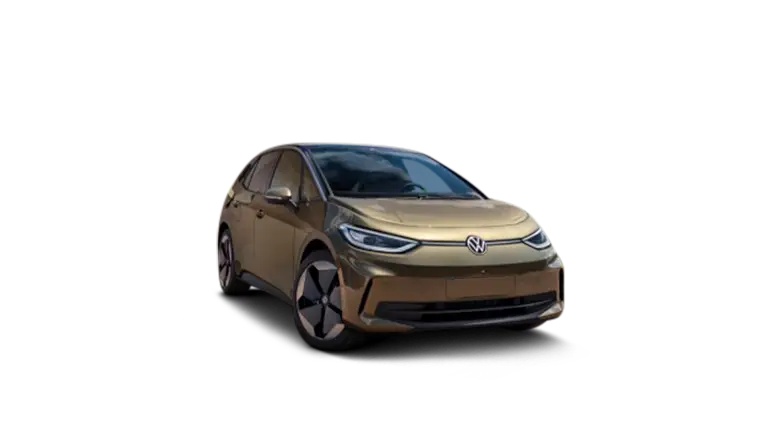









Why choose an electric fleet for your business?
Le fleet managementor fleet management, refers to all processes aimed at optimise usethe performance and company vehicle costs. At a time when the energy transition is becoming a strategic imperative, more and more companies are considering electrifying their fleets.
But why this choice? Ecological considerations aside, opting for electric vehicles can turn your fleet management into a competitive advantageThese include significant cost savings, a stronger brand image and attractive tax benefits.
In this section, we detail the main reasons why the electric fleet is such a popular choice. forward-looking choices for businesses.
Reducing CO₂ emissions
The electrification of your fleet offers a major advantage: a lower cost of ownership. drastic reduction in greenhouse gas emissions. As a reminder, electric vehicles do not emit no atmospheric pollutants like nitrogen oxides or fine particles during use. This is a major advantageespecially in cities where air quality is a genuine public health issue.
The figures speak for themselves electric vehicles emit on average 2 to 3 times less CO₂ than their thermal counterparts over their entire life cycle. And this gap only widens over time, as the emissions linked to manufacturing are quickly offset by the savings in use.
To give you a concrete idea, imagine a fleet of 100 electric vehicles. It can reduce CO₂ emissions by more than 400 tonnes a year compared with an equivalent fleet of conventional vehicles. It's a giant step towards your sustainable development objectives.
Finally, by opting for an electric fleet, you're sending out a strong message. You are concretely demonstrating your commitment to the environment, which reinforces your image with your customers and partnersThese are issues to which we are increasingly sensitive.
Lower operating costs
First of all, switching to electric power means significant savings on fuel costs.
Indeed, the the cost of electricity for a 100 km journey is much lower than that of traditional fuels. For example, a electric vehicle consumes between €2 and €3 for this distance, compared with 6 to €8 for a diesel or petrol vehicle. For large fleets or those travelling long distances, these savings can be considerable. on an annual basis.
What's more, the mechanical simplicity of electric vehicles translates into lower fuel consumption. significantly reduced maintenance costs. The absence of many moving components, such as the gearbox or transmission beltsThis considerably reduces the risk of breakdowns and the need for maintenance.
But that's not all! It also means :
- A reduced need for regular maintenanceThese include oil changes and the replacement of wear parts.
- A reduced risk of major mechanical breakdownsThis reduces downtime and the associated costs.
💡Did you know ? It is estimated that maintenance costs for an electric vehicle are 20% lower than those for an thermal vehicle.
It is also important to stress that the electrification of the fleet will optimise the total cost of ownership (TCO) of the vehicles. Although the initial investment may be more substantial, the savings on fuel and maintenance quickly make up for this difference. What's more, the generally longer lifespan of electric vehicles helps to amortise costs over the long term.
Use the TCO simulator to calculate the total cost of ownership of your car and compare it with its internal combustion equivalent.
Tax benefits and subsidies
It is also important to note that companies opting for an electric fleet can benefit from numerous tax benefits and subsidies.
For example, thetotal exemption from Company Car Tax (TVS) can represent considerable savings for a company with a large fleet. These financial incentives help to reduce overall operating costs and accelerate return on investment.
See also our article :

In addition to the exemption from TVS, electric vehicles also escape the ecologic malus 2025 due to their non-existent CO₂ emissions. This double exemption considerably reduces the annual bill for vehicle use.
Tax optimisation also involvesdepreciation. Companies benefit from an increased ceiling for electric vehicles : 30,000 compared with €18,300 for thermics. For other categories of electric vehicle, the deduction can even be full for business purposes.
However, it is essential to understand the tax rules in forceparticularly with regard todepreciation of passenger vehicles. In 2025, certain regulatory changes could have an impact on your investment strategy.
Read our detailed article on non-deductible depreciation of passenger cars and its implications for your business.
See also our article :

It is also important to reiterate that despite the abolition of the environmental bonus for electric vans in 2025, other forms of support will remain:
- Local and regional subsidies of up to 6,000 per vehicle in certain zones.
- Support for the installation of charging points, covering up to 50% of the costs in certain regions.
See also our article :

In addition, benefits in kind have not been forgotten. The favourable provisions have been extended to 2025, with a deduction of 50% on the valuation of the benefit, capped at €2,000.30 per year.
See also our article :
Finally, the insurance companies frequently offer low rates for electric vehicles. For fleets of more than 3 vehicles, these reductions can take the form of significant economies of scale on car insurance premiums.
See also our article :
Obligations relating to company fleets: LOM law and ZFE
Managing a company's electric fleet is not just a question of efficiency and profitability. It is also governed by strict regulations that must be complied withsuch as the Loi d'Orientation des Mobilités (LOM) and Low Emission Zones (EPZ).
These legal obligations are designed to speed up the ecological transition in the transport sector, while providing fleet managers with practical levers for action.
First, we have the LOM, promulgated in December 2019which imposes strict obligations on companies to make their fleets greener. The companies concerned are more than 50 employees with a fleet of over 100 vehicles whose total permissible laden weight is less than 3.5 tonnes.
💡Did you know ? The majority of companies concerned do not comply with the LOM law
When renewing their fleets each year, companies must acquire a minimum percentage of low-emission vehicles:
- 10% since 1st January 2022
- 20% since 1st January 2024
- 40% from 1st January 2027
- 70% from 1st January 2030
See also our article :

Secondly, we have the EPZintroduced by the Climate and Resilience Actimpose traffic restrictions in towns with more than 150,000 inhabitants for the most polluting vehicles in certain French conurbations. This system is already in place in major cities such as Paris, Lyon, Marseille and Grenoble, and is being rolled out across the whole of France. 42 metropolises by early 2025.
See also our article :

By choosing electric or hybrid vehicles with a Crit'Air 0 or 1 rating, you can avoid these restrictions and keep your fleet mobile.
The specific challenges of managing an electric fleet
Managing an electric fleet presents unique challenges, particularly when it comes toautonomy and recharging. However, these challenges are not insurmountable and can be effectively managed with a proper planning and appropriate tools. In reality, the electric car today offers reliable solutions and efficient to meet the operational needs of professionals.
Autonomy and recharging management
The ahe use of electric vehicles has increased considerably in recent years, reducing the anxiety associated with autonomy.
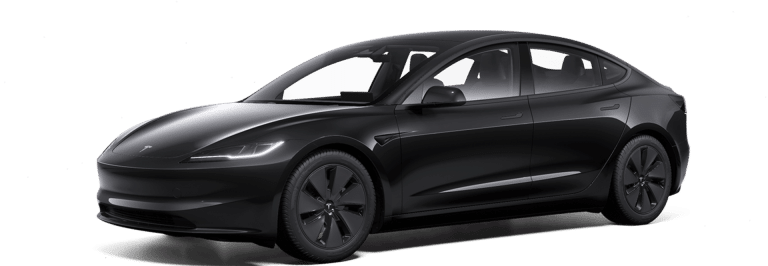
Today, many models offer a range in excess of 300 kmsome up to 500 km on a single charge. For example, the Tesla Model 3 Long Range Powertrain displays a 702 km range according to the WLTP cycle.
See also our article :

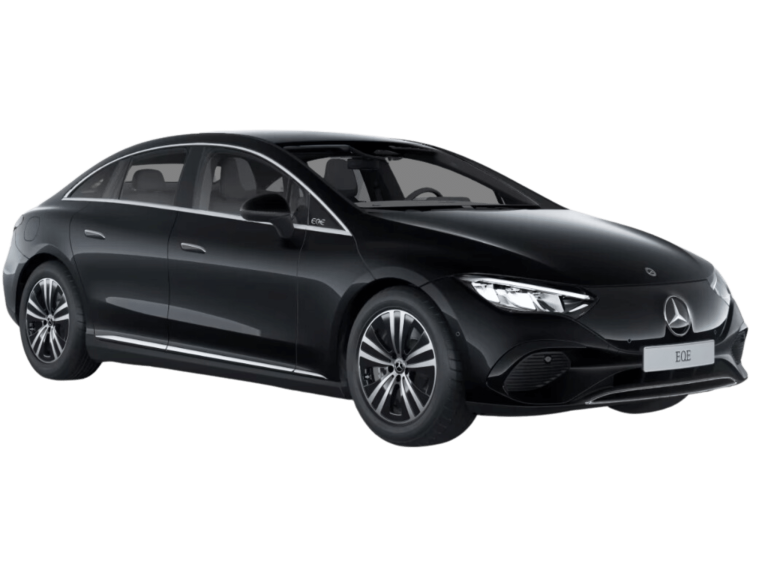
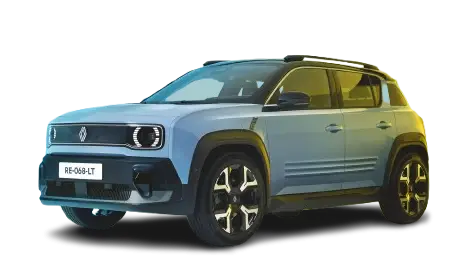
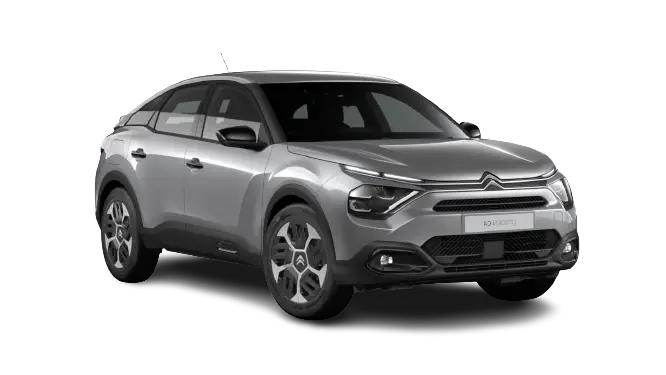
In addition, a prior analysis of travel needs to select the models best suited to the activity. For the short distances or intra-urbanfor example, a electric city car with a modest autonomy may be enoughsuch as Renault 5 E-Tech or the Citroën ë-C3while long-range models will suit longer routessuch as electric saloon Mercedes EQS or the Tesla Model S Dual Motor.
By adopting a strategic approach, vehicle autonomy can be perfectly aligned with operational requirements.
💡Did you know ? A case study of a delivery company that electrified 50% of its fleet showed a reduction in operating costs of 20% over a period of 3 years, despite initial challenges relating to range and recharging.
On the other hand, we have recharge management, which is essential for keep your fleet operational.
Firstly, it is important to emphasise that effective refill management starts with an effective meticulous planning. The use of fleet management software such as the fleet manager Beev specialises inoptimising charging times and reduce downtime by up to 30%. What's more, these tools make it possible to schedule recharging during off-peak hours, reducing electricity costs by 15 to 20%.
💡Did you know ? A recent study shows that around 80% of electric fleet recharging is done at the depot. It is therefore essential to invest in charging stations on site.
One effective approach is to combine different recharging solutions:
- Recharging at the depot for the majority of electric vehicles.
- Home recharging equipping your employees with home charging points for vehicles that do not return to the depot each evening.
- Charging on the road Establish partnerships with public charging networks to ensure widespread coverage.
Finally, it is necessary to set up a supervision system is essential to guarantee the reliability of the recharging service. A proactive maintenance and constant monitoring enable us to detect and react quickly in the event of a fault or defect at a charging point, ensuring that every vehicle receives the charge it needs.
Initial cost of electric vehicles
By 2025, the the average price of an electric vehicle in Europe is around €45,000a increase of 11% compared with 2020. Although this figure may seem high, it is important to put it into perspective with the many long-term economic benefits.
The good news is that many manufacturers are committed to offering more affordable models. No fewer than 7 new electric models costing less than €25,000 have been announced for the end of 2024. For example, the Citroën ë-C3 starts at €19,300This makes electric cars increasingly competitive with internal combustion models.
What's more, despite a higher acquisition cost, the electric vehicles are more economical in the long term :
- Maintenance costs are considerably lower than for combustion vehicles, with a estimated reduction of 20%.
- Le energy costs are also lower.
So, to maximise the profitability of your electric fleet, it's a good idea to take advantage of long-term leasing (LLD) offers, which allow you to spread the costs and benefit from the latest technologies.
Discover our exclusive offers
Implementing the right management strategy for your electric car fleet: our top 5 Beev tips
Adopting a fleet of electric vehicles is a strategic move for many companies. However, to reap the full benefits, it is essential to it is essential to put in place appropriate and rigorous management systems. A good strategy not only allows you tooptimising costs and performancebut also to ensure a smooth transition to more sustainable mobility.
To support you in this process, we have put together 10 practical tips based on our expertise Beevto help you manage your electric fleet effectively and overcome the challenges associated with its operation. Follow the guide to transform your fleet into a real driver of performance and ecological commitment!
Analysis of your fleet's needs
The first step in optimising the management of a fleet of electric vehicles is to carry out a survey. in-depth analysis of your company's specific needs. This phase, too often underestimatedHowever, it is essential to ensure that the transition to electric vehicles is cost-effective, efficient and tailored to operational realities. For a fleet manager, this approach helps to identify priorities, minimise risks and lay the foundations for effective strategic management.
Identify usage profiles and trip types
Each fleet is used for different purposes. So it's important to segment your needs according to the types of journeys you make and the way your vehicles are used. For example:
- Are most of your vehicles used for urban or intercity travel?
- What is the average distance travelled each day?
- Are there seasonal variations in fleet use (e.g. peaks in activity)?
An electric vehicle suitable for short urban journeys may not be suitable for longer distances. A company making deliveries within a 50 km radius will not have the same needs as a sales team covering large regional areas.. This analysis stage ensures that you select models that meet your requirements, both in terms of autonomy and performance.
Evaluating the optimum fleet size
It is equally important to determine whether your fleet is optimally sized. An oversized fleet can lead to unnecessary costswhile an undersized fleet can hampering operational efficiency. The electrification of your vehicles is thean ideal opportunity to reassess these parameters and adjust the number of vehicles according to your real needs.
Today monitoring and management tools (such as specialist software) can help you analyse the current use of your electric vehicles and identify any inefficiencies.
For example, a audit could reveal that certain vehicles travel less than 10,000 km per yearwhich could justify a fleet reduction or pooling.
Considering changing needs in the medium and long term
Finally, it is essential to adopt a strategic vision andanticipate the changing needs of your fleet over the medium and long term. For example :
- Is your company planning to expand geographically, requiring more travel?
- Do teleworking policies or internal organisation methods influence the use of your vehicles?
- Will technological advances, such as the continuous improvement of batteries, enable you to reduce your constraints in the years to come?
By incorporating these perspectives into your analysis, you can avoid having to readapt your fleet too frequently and maximise the profitability of your transition to electric vehicles.
Understanding and calculating TCO (Total Cost of Ownership)
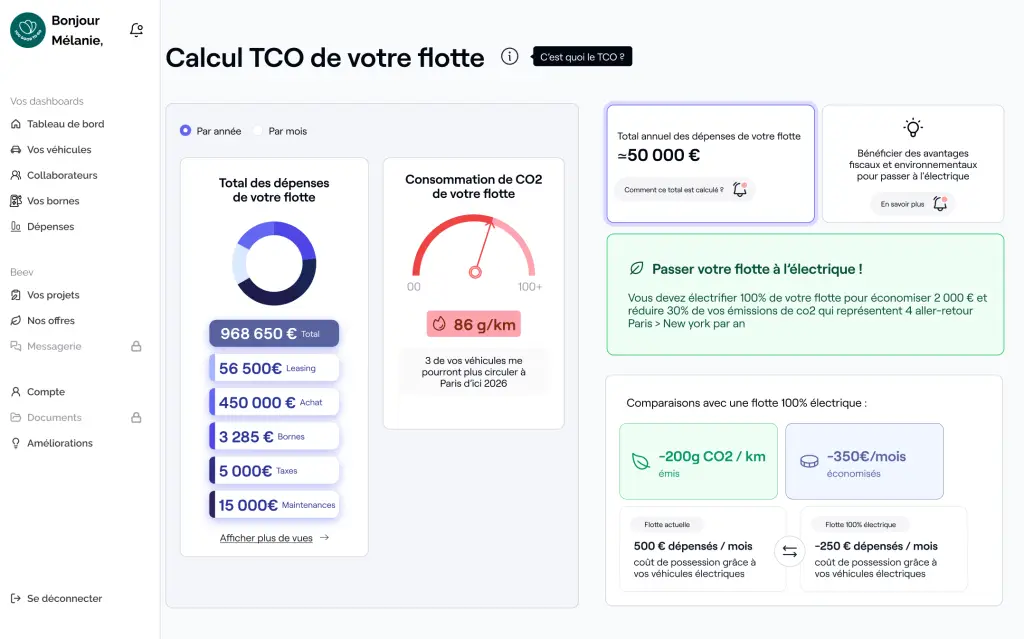
For a fleet manager, the TCO is an essential tool for assess the profitability and financial impact of an electric fleet. By understanding TCO, you can not only anticipate expenditurebut also demonstrate the economic relevance of a transition to an electric fleet.
To properly assess the financial impact of electrification, it is essential toanalyse the total cost of ownership (TCO), as briefly outlined above. This calculation takes into account all the costs associated with the vehicle:
- Insurance
- Impairment
- Taxes
- Charging stations
- Financing costs
- Maintenance and repairs
- Purchase or leasing cost
- Energy costs (electricity)
See also our article :
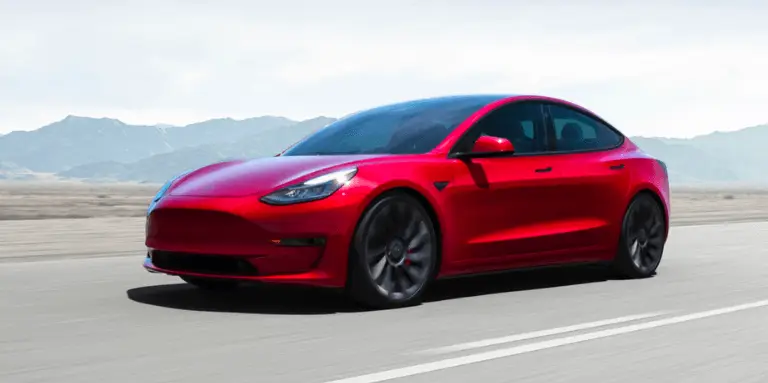
In general, even if the TCO of an internal combustion vehicle is competitive in the short termthe electric vehicles become more advantageous after 3 to 5 years of use. For example, an analysis over 5 years shows thatan electric vehicle can cost 15 to 20 % less than an equivalent diesel vehicleThis is thanks to savings on fuel and maintenance, as well as extended tax incentives.
💡Did you know ? An annual saving of €3,000 to €5,000 per vehicle is possible for a fleet travelling 50,000 km a year.
See also our article :

To optimise your decision-making process and avoid complex and time-consuming calculations, our fleet management software offers advanced automated TCO calculation functionality, providing you with accurate and reliable data for strategic fleet management.
Optimising recharging
In fact, effective recharge management is essential not only for guarantee vehicle availabilitybut also for maximise profitability and reduce operating costs.
To begin with, it is essential to install charging points that allow optimum management of charging times. So-called "intelligent" charging points offer a number of advantages, including peak load managementthe planning recharging sessions at off-peak timesand the ability to monitor usage remotely.
See also our article :
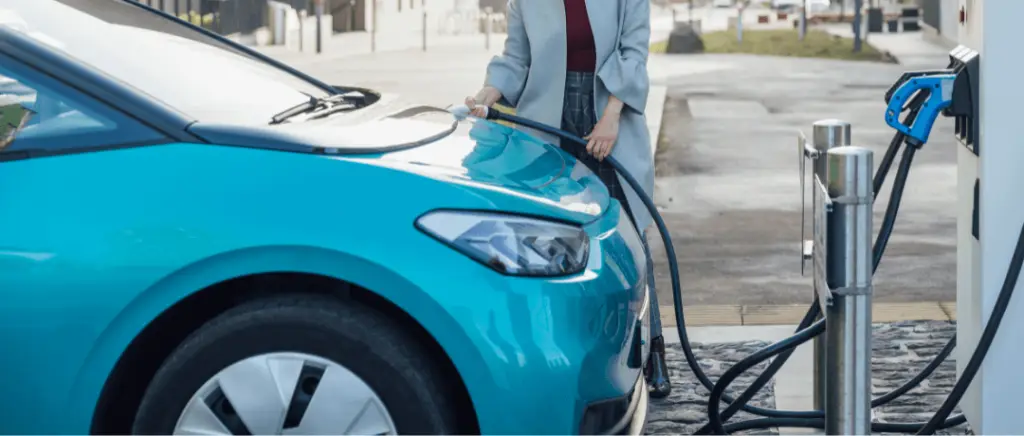
The aim here is to minimise recharging costs while optimising the efficiency of the process, in particular by using off-peak times to recharge the vehicles and thereby benefit from reduced rates.
Use Beev fleet manager to simplify management
As developed throughout this article, the use of a specialised management tool becomes a major asset in optimising operations.
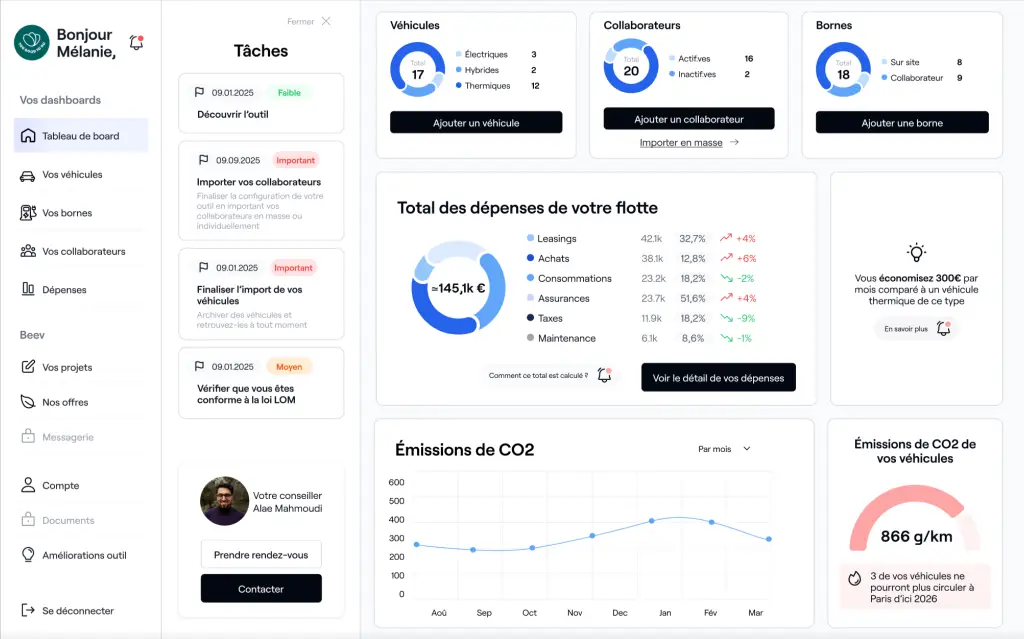
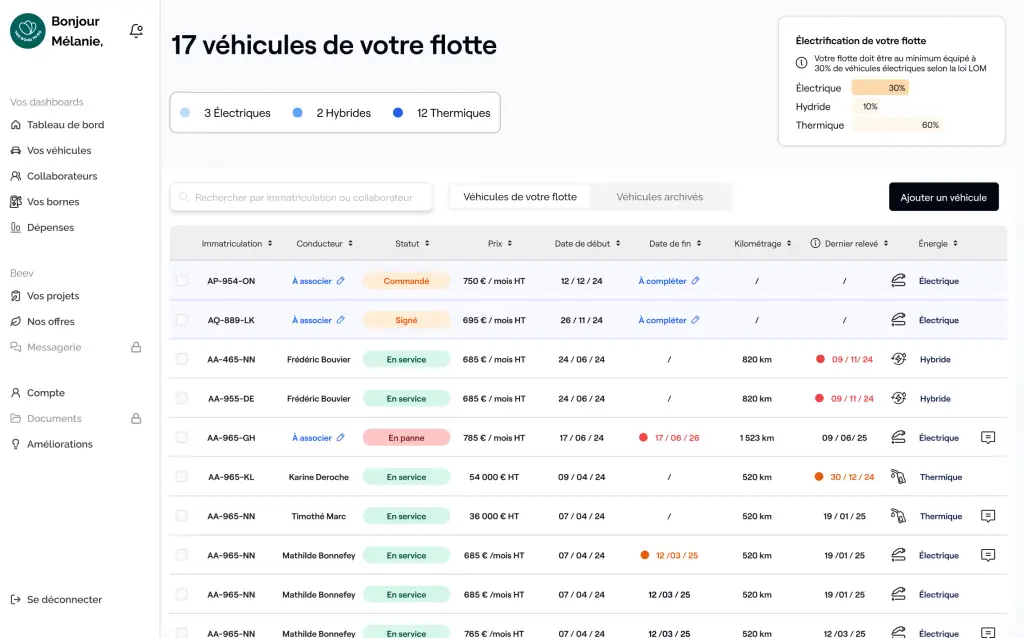
This is where the fleet manager of Beev comes into play. This free platform considerably simplifies the day-to-day management of your electric vehicle fleetwhile strengthening your approach to sustainable mobility.
An intuitive interface for hassle-free management
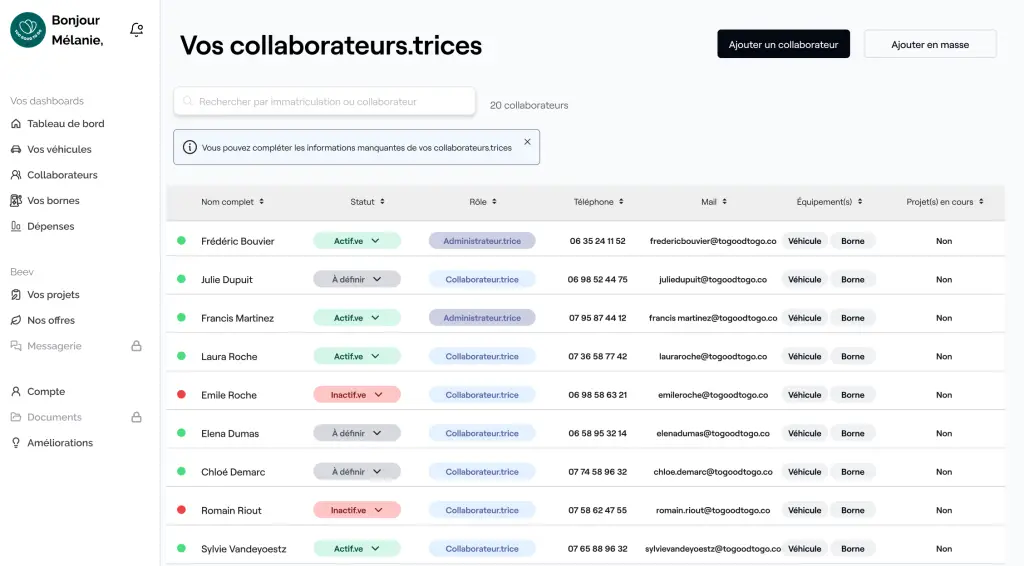
The Beev fleet manager stands out for its ease of use. You can easily add your vehicles and driversAll the essential information, such as :
- the type,
- the model,
- the brand,
- mileage,
- the duration of the contract,
- and registration.
This data is then presented clearly on dedicated fleet and driver dashboards, providing an instant overview of your fleet.
Real-time monitoring for greater responsiveness
One of the major advantages of this tool is its 24-hour monitoring capability. You can also monitor the status of your fleet and charging stations in real time. This feature allows you to anticipate maintenance needs, optimise the use of charging stations and react quickly to any unforeseen events, ensuring proactive management of your fleet.
Simplified planning thanks to integrated calendar
The Beev fleet manager incorporates a reminder calendarYou'll be able to keep track of all your fleet's important deadlines. You can now plan and view interviewsthe revisions and other crucial events. This feature helps you keep your fleet in perfect working order, reducing so the downtime and associated costs.
A solution for every business
Whether you manage the fleet of a small local company or a large multinationalfleet manager Beev adapts to your specific needs. The platform is designed to grow with your fleet, allowing you to easily add new vehicles and features as you grow.
A free tool for an effective electricity transition
One of the most remarkable advantages of the Beev fleet manager is that it is completely free of charge ! This free service gives you a complete platform for optimising your energy transition and managing your electric fleet, at no extra cost.
Train your teams and drivers
Electric vehicles differ from internal combustion vehicles not only in terms of their energy efficiency, but also in terms of the way in which they are used. mechanicsbut also in terms of energy managementthe recharge and maintenance.
Consequently, drivers need to be trained to understand these new dynamics. Well-structured training enables drivers toavoid costly mistakes, d'increase the lifespan of vehicles and maximise the savings linked to their management.
At the same time, fleet managers also need to be well-informed to effectively supervise the use of vehiclesand charging stations and fleet management systems.
That being said, training must start with introductory sessions on the unique characteristics of electric vehiclessuch as :
- Autonomy and recharging Vehicle charging: Familiarise your teams with vehicle autonomy, the different types of charging stations (fast and slow) and best practices for optimising energy use.
- Energy saving : Teach drivers how to adopt eco-responsible driving to maximise range and reduce operating costs.
See also our article :
Conclusion
Efficient management of an electric fleet is a major challenge. a stimulating challenge for any modern fleet manager. As we have seen, this transition offers many advantages. many advantagesemissions, ranging from a significant reduction in CO₂ emissions to the elimination of greenhouse gases.optimisation of operating costsincluding attractive tax benefits. However, to reap the full benefits, it is crucial to adopt a strategic and methodical approach.
By implementing the best practices detailed in this article, you will be able to transform your electric fleet into a a real asset for your company. Not only will you reduce your carbon footprintbut you'll also improve your operational efficiency and your competitiveness.
To find out more, access our free white paper on electric fleets in 2025!