





What is the Crit'Air sticker and what will it be used for in 2025?
The Crit'Air sticker, also known as the air quality certificate, is a system introduced by the French government to classify vehicles according to their levels of pollutant emissions. In 2025, it remains a central tool in the ecological transition and the national plan to reduce air pollution. Its role goes far beyond that of a simple sticker:
- Identify vehicle pollution levels : There are 6 categories, from Crit Air 0 (for electric vehicles or hydrogen) to Crit Air 5 (the most polluting vehicles).
- Regulate access to low-emission zones (LEZs) : More and more major French conurbations are imposing traffic restrictions based on the vignette.
- Encouraging the transition to clean mobility: motorists are encouraged to replace their vehicles with more recent models, rechargeable hybrids or electric vehicles.
- Serve as a tool for steering urban policies: During pollution peaks, the prefects can reinforce the driving bans according to the vignettes.
The Crit'Air certificate is therefore no longer just an information tool: it has become a genuine urban mobility passport, enabling people to travel freely in many French towns and cities.
Is the Crit'Air sticker compulsory?
For several years now, the Crit'Air sticker has been a central element of French policy on air quality and sustainable mobility. But the question of whether it should be compulsory remains a key issue for motorists.
The Crit'Air sticker is not systematically compulsory throughout France, but its use is governed by precise rules:
- Mandatory in certain zones: the vignette is required in the Low Emission Mobility Zones (ZFE-m), already deployed in around forty French conurbations.
- In the event of a pollution peak : the prefectures can activate differentiated traffic, prohibiting access to the most polluting vehicles that do not have the appropriate stickers.
- For all motorised vehicles: private cars, two-wheelers, commercial vehicles and HGVs must be fitted with a Crit'Air sticker corresponding to their emission level.
- No sticker = penalty : without a sticker in an EPZ or during a regulated pollution episode, the driver is liable to a fine (€68 for cars and two-wheelers, €135 for HGVs).
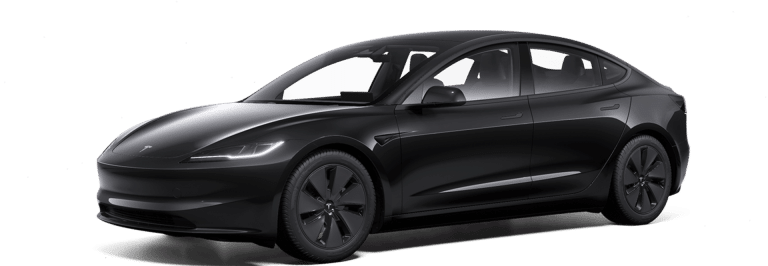
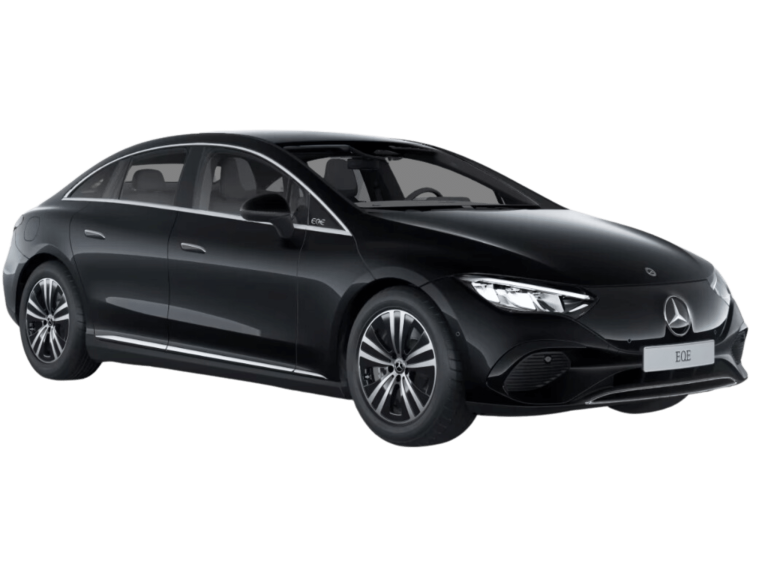
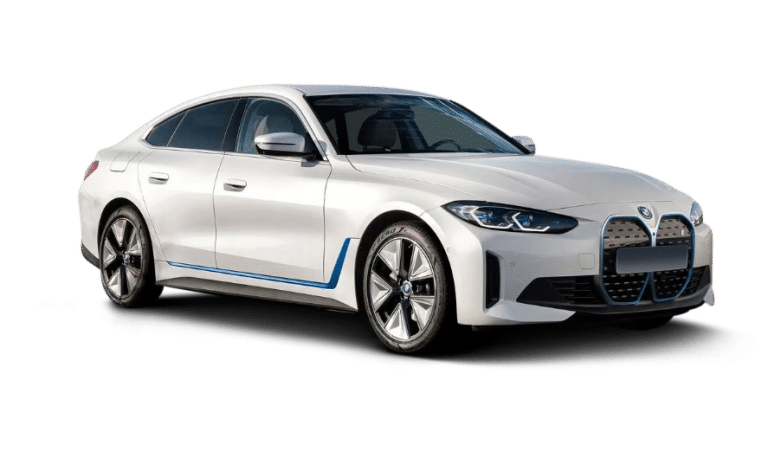
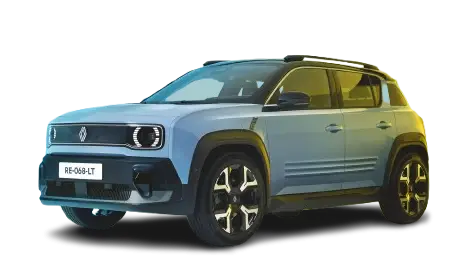
Make your energy transition now, with a range of new 100 % electric vehicles available for leasing from Beev!
How does the Vignette Crit'Air classify vehicles by pollution level?
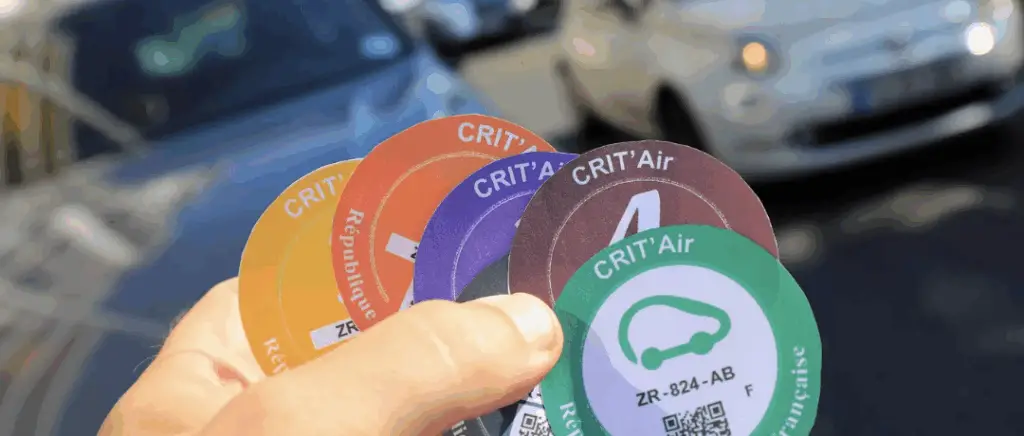
The Crit'Air sticker is based on a system of coloured stickers and numbers (from 0 to 5) used to classify vehicles according to their polluting emissions and engine type. This system, set up by the French Ministry for Ecological Transition, is based on the Euro standard to which the vehicle belongs, as well as its type of energy.
In concrete terms :
- Crit'Air 0 (green) : reserved for low-polluting 100% electric, hydrogen or rechargeable hybrid vehicles.
- Crit'Air 1 (purple) : applies to recent petrol vehicles meeting Euro 5 and 6 standards, as well as certain hybrids.
- Crit'Air 2 (yellow) : awarded to Euro 5 and 6 diesel vehicles, as well as Euro 4 petrol vehicles.
- Crit'Air 3 (orange) : includes Euro 2 and 3 petrol cars, as well as Euro 4 diesels.
- Crit'Air 4 (red) : for diesels complying only with the Euro 3 standard.
- Crit'Air 5 (grey) : for Euro 2 diesel vehicles.
- Not classified : vehicles registered before 1997 for petrol and before 2001 for diesel.
This classification is intended to reflect the actual level of air pollution generated by each category of vehicle. The lower the number, the more environmentally friendly the vehicle, while higher numbers (or none at all) indicate a greater environmental impact.
What are the new rules for the Vignette Crit'Air in the EPZs in 2025?
The Crit'Air sticker has become an essential part of legal driving in France's Low Emission Zones (ZFE). To meet the growing challenge of air quality, the rules governing access to LEZs have been tightened, affecting all drivers depending on the classification of their vehicle. Here are the main changes to remember:
- Extension and standardisation of EPZs : Since 1 January 2025, 43 conurbations in France, including Paris, Lyon, Grenoble and Montpellier, have been applying strict restrictions based on the Crit'Air classification, with a perimeter that is often extended to include city centres and neighbouring municipalities.
- Gradual ban on Crit'Air 3 vehicles and above: Vehicles classified as Crit'Air 3 (Euro 2 to 3 petrol, Euro 4 diesel) and above may no longer be driven or parked in the EPZs, unless there are specific exceptions or exemptions. This measure affects around 422,000 private vehicles, marking a major transition towards cleaner mobility.
- Strict introduction of the Crit'Air sticker: All vehicles must have a Crit'Air sticker affixed to the windscreen to drive in these zones, even electric or hydrogen-powered 100% vehicles (Crit'Air 0). This uniformity facilitates automated checks and simplifies the regulations.
- Tougher penalties and automated checks : Failure to comply with the rules, such as not displaying a sticker or using an unauthorised vehicle, can result in a fine of up to €135 and the risk of being immobilised. Checks are carried out using video-vehicle ticketing systems, which are gradually being rolled out.
- Transitional measures and derogations : Some cities are maintaining adaptation periods or temporary quotas via ZFE passes, allowing limited access to Crit'Air 3 categories in 2025. There are also exemptions for professionals, certain commercial vehicles and specific situations.
These changes reflect the desire of the French authorities to take the reduction of polluting emissions further, by gradually depriving the oldest and most polluting vehicles of access to sensitive urban areas. Motorists are strongly encouraged to check their classification and purchase the official sticker, priced at around €3.72, via the government website to avoid penalties.
In which towns is the Crit'Air sticker compulsory this year?
In the year 2025, the Crit'Air sticker has become a must for driving in a growing number of French towns and cities, particularly those with Low Emission Zones (ZFE). These zones are designed to reduce air pollution by restricting the most polluting vehicles according to their Crit'Air classification.
Cities where the Crit'Air sticker will be compulsory in 2025 :
- Paris and its metropolitan area : The Greater Paris EPZ covers 77 communes along the A86 motorway. The restrictions apply from Monday to Friday, from 8am to 8pm, with special rules for Crit'Air 3 vehicles, which will be allowed to drive for only 24 days a year in 2025.
- Lyon : Since 2025, the Crit'Air sticker has been compulsory in the EPZ covering Lyon, Villeurbanne and Caluire-et-Cuire, banning Crit'Air 3 vehicles and above. Tighter video controls have been introduced.
- Marseille : The EPZ covers the extended city centre, with a gradual ban on Crit'Air 3 vehicles and above. Marseille plans to extend these restrictions to other districts.
- Toulouse : The EPZ covers central districts, with a ban on Crit'Air 3 vehicles and above from 1 January 2025, supported by conversion grants for residents.
- Other major conurbations : Cities such as Montpellier, Strasbourg, Rouen, Reims, Grenoble, Lille, Nice, Annecy, Rennes, Bordeaux, Nantes, Dijon, Angers and Pau have introduced or strengthened their ZFEs for 2025, making the Crit'Air sticker compulsory according to local rules.
What are the penalties for non-compliance with Crit'Air restrictions?
Since 2025, checks on compliance with low-emission zones (ZFEs) and restrictions linked to the Crit'Air sticker have been stepped up. Driving without a sticker, or with an unauthorised sticker in a restricted zone, now exposes motorists to a number of penalties under French regulations.
In concrete terms :
- Fixed fine :
- 68 for light vehicles and motorised two-wheelers.
- 135 for HGVs, buses and coaches.
- Immobilisation of the vehicle: in the event of a repeat offence or obvious non-compliance, the police can prevent the vehicle from being driven.
- Restricted access to EPZs: an increasing number of major French conurbations (Paris, Lyon, Marseille, Strasbourg, etc.) are imposing strict restrictions, which are also monitored by video surveillance cameras.
- More frequent checks: as the EPZs become more widespread, the likelihood of being penalised increases.
Ignoring the requirement to display a Crit'Air sticker by 2025 means not only facing an immediate fine, but also increasing restrictions on mobility. At a time when the fight against air pollution is intensifying, complying with the Crit'Air classification has become an imperative if you want to drive with peace of mind in French urban areas.
How can I obtain my Crit'Air sticker easily and at the official rate?
Obtaining a Crit'Air sticker in 2025 remains a quick and easy process, as long as you go through the official channels. Beware, however, of unauthorised sites that overcharge for the service or offer fake stickers. To avoid any pitfalls, here are the steps to follow:
- Apply online : go only to the official government website (certificat-air.gouv.fr). This is the secure platform recognised by the French Ministry for Ecological Transition.
- Single rate : A Crit'Air sticker will cost €3.72 (including postage) in 2025, regardless of the type of vehicle. Any price higher than this is a sign of scamming.
- Documents required: All you need to fill in the online form is your vehicle registration document.
- Acceptance deadlines : Once the request has been validated, the sticker is sent by post within a few days to the address shown on the vehicle registration document.
In short, to obtain your Crit'Air sticker quickly, at no extra cost and completely legally, all you need to do is use the official website. This is essential if you want to drive freely in low-emission zones (ZFE) and avoid the pitfalls of fraudulent intermediaries.
What documents and timescales are required to order a Crit'Air sticker?
To order the Crit'Air sticker, which is essential for driving in low-emission zones in 2025, you need to follow a simple, quick and secure online procedure.
Here's what you need to think about:
- Documents required:
- The vehicle registration certificate (carte grise), up to date and with a valid postal address. Any change of address must be made before the order is placed.
- The vehicle registration number, which must be entered precisely when the application is made.
- A bank card for secure online payment. The official cost is approximately €3.81 including postage.
- Deadlines to be anticipated :
- Confirmation of the order will be sent by e-mail within a few hours.
- The facsimile of the Crit'Air sticker can be sent by email within 24 hours, providing temporary proof.
- The official sticker is then sent by post to the address shown on the vehicle registration document, with an average delay of 7 to 10 working days, depending on the period.
How can I avoid scams when buying a Crit'Air sticker?
With the widespread introduction of the Crit'Air sticker, a number of fraudulent websites are taking advantage of motorists' lack of knowledge to sell stickers at inflated or even completely falsified prices. Remember that the official cost of the Crit'Air sticker is €3.72 (excluding postage) and that it can only be ordered via the official website of the French Ministry for Ecological Transition. To avoid scams, here are some points to bear in mind:
- Do not buy the vignette on private websites: some are offering the badge at €20, €30 or even more, even though it is an administrative formality governed by the State.
- Check the URL: the official address is crit-air.gouv.fr. Any other site is fraudulent, even if it uses the official logos.
- Beware of door-to-door sales: neither the State, local authorities nor your insurer will contact you by phone, text message or email to sell you a Crit'Air sticker.
- Keep your certificate: After ordering, you will receive a digital receipt. This is valid in the event of an inspection, pending receipt of the sticker by post.
- Choose secure payment: online purchases can only be made via the official platform, using a standard secure payment method.
Which petrol, diesel, hybrid and electric vehicles are affected by the Crit'Air restrictions?
The rules linked to the Crit'Air sticker strictly govern traffic in low-emission zones (ZFE) in many French conurbations. These restrictions target vehicles according to their engine type and Euro standard, in order to reduce urban pollution. Here are the key points for each category of vehicle:
- Petrol vehicles :
- Vehicles registered before 2006, i.e. classified as Crit'Air 3 or less, are subject to severe restrictions, which are often prohibited in the EPZs.
- Euro 4 and more recent petrol engines (after 2006, Crit'Air 2 and 1) still have wider access, with a variable tolerance depending on the city.
- Diesel vehicles :
- Pre-2011 diesels (Crit'Air 3, 4, 5 and unclassified) are gradually being excluded from city centres, with Crit'Air 4 and 5 effectively banned in most EPZs.
- Euro 5 and 6 diesels (after 2011, Crit'Air 2) still enjoy relative freedom, but the situation is getting tougher as zones are extended.
- Hybrid vehicles :
- Plug-in hybrids and recent petrol hybrids (post-2011, Crit'Air 1) are favoured, with broad access to the EPZs.
- On the other hand, older hybrids are subject to the same constraints as petrol vehicles in their Euro category.
- Electric vehicles :
- All 100% electric and hydrogen vehicles carry the Crit'Air 0 sticker, which means unlimited access to all zones, with no pollution-related restrictions.
- This classification gives drivers of clean vehicles complete freedom, even during pollution peaks and in the strictest EPZs.
To sum up, the Crit'Air 2025 restrictions reflect a far-reaching tightening of anti-pollution measures, favouring vehicles with lower emissions and encouraging the transition to electromobility. Motorists should therefore check the Crit'Air class of their vehicle and anticipate changes in the regulated zones to ensure that they can drive with peace of mind in France.
Can the Crit'Air sticker be used during pollution peaks?
The Crit'Air sticker plays a decisive role during episodes of air pollution in France. In the event of an alert, the prefectures can introduce differentiated traffic restrictions, which do not apply to all vehicles in the same way. The aim is to keep the most polluting cars off the roads and preserve air quality.
In concrete terms :
- Crit'Air 4, 5 and unclassified vehicles are generally the first to be affected by the bans.
- Crit'Air 3 vehicles may also be restricted, particularly in the most polluted areas (Île-de-France, large conurbations).
- The Crit'Air 0, 1 and 2 stickers have greater tolerance: they are often the only vehicles authorised to circulate during a pollution peak.
- Some cities are introducing differentiated traffic, forcing motorists to scrupulously comply with the regulations based on their Crit'Air sticker.
So having a Crit'Air sticker is not just a legal requirement for driving in Low Emission Zones (LEZs): it's also the key to road access during pollution peaks. Drivers must therefore keep abreast of local restrictions published by the prefectures or via official applications, in order to avoid fines and help reduce polluting emissions.
What exemptions and financial assistance are available for motorists affected by Crit Air?
Faced with the new restrictions linked to the Crit'Air 2025 sticker and the expansion of Low Emission Zones (LEZs), a number of exemptions and financial aid schemes have been introduced to help motorists affected by the changeover to cleaner vehicles.
Temporary and specific exemptions :
- Some towns grant temporary exemptions for Crit'Air 3, 4, 5 or unclassified vehicles, particularly for professionals, people with reduced mobility, or for essential situations such as moving house.
- A temporary traffic pass can be issued within defined limits (e.g. 24 days a year), allowing a gradual adaptation period.
- Exemptions may also apply on certain routes outside the EPZ to ensure the continuity of essential journeys.
Financial assistance to ease the transition :
To encourage the renewal of the car fleet and limit the financial impact on motorists, a number of grants are available:
- Conversion allowance and eco-bonus: up to €4,000 in assistance for the purchase of a new or used cleaner vehicle, means-tested and until 30 June 2025 for the eco-bonus.
- Retrofit bonus: financing of up to €3,000 or even €5,000 depending on income, for the conversion of an old car into a new one. thermal vehicle Crit'Air 3 or older in electric vehicle or plug-in hybrid.
- Territorial subsidies: many local authorities (regions, départements, metropolitan areas) offer additional subsidies, which can sometimes be combined, for the purchase or hire of clean vehicles, amounting to several thousand euros, for example up to €6,000 in the Greater Paris region.
- Tax credit for the installation of charging points: to encourage electromobility, a tax credit is available for private individuals installing a home charging point.
The aim of these schemes is to provide financial support for motorists to switch to greener vehicles, while complying with the strict new traffic rules associated with the Crit'Air 2025 sticker.
Which French towns could soon be extending Crit'Air sticker restrictions?
France's policy to improve air quality in urban areas is intensifying, with the gradual extension of restrictions linked to the Crit'Air sticker. A number of major cities are considering or have already begun tightening their measures to reduce the circulation of the most polluting vehicles, particularly those classified Crit'Air 3 and above. Among the French cities likely to be extending their low-emission zones (ZFE) in the near future, or tightening their bans, are :
- Bordeaux: The city is in advanced discussions to gradually introduce stricter restrictions, targeting Crit'Air 3 vehicles and above, in order to protect air quality in the city.
- Nice: A Low Emission Zone is being planned, with progressive bans scheduled from 2025 onwards, aimed at limiting the presence of the most gas-guzzling vehicles in the city centre.
- Rouen, Rennes, Nantes: These conurbations are keeping a close eye on developments in national regulations and should soon be announcing tougher traffic control measures based on Crit'Air stickers.
- Strasbourg and Lille: These cities have already introduced restrictions on Crit'Air 4 and 5 vehicles, and soon plan to extend the bans to Crit'Air 3 vehicles, relying on the installation of video surveillance systems to improve the effectiveness of controls.
- Annecy, Annemasse, Dijon, Rennes, Nancy, Pau, Caen, Le Havre, Angers, Nantes: These local authorities have created new EPZs or are planning to extend them, targeting the most polluting vehicles in particular to ensure a better quality of life for their residents.
Conclusion
To sum up, by 2025, the Crit'Air sticker will have become an essential tool in the ecological transition and in traffic regulation in France. Now an integral part of the Low Emission Zones (ZFE), it will condition vehicle access to urban centres, strengthen the fight against air pollution and encourage the switch to cleaner engines.
While motorists will have to contend with stricter restrictions and stiffer penalties, they will also be able to take advantage of targeted exemptions and significant financial assistance to renew their vehicles or switch to electric vehicles.
More than just a sticker, the Crit'Air sticker will become a genuine sustainable mobility passport in 2025, marking a decisive step in the transformation of modes of transport in France.
You would like toto electric?
Beev offers multi-brand 100% electric vehicles at the best prices, as well as recharging solutions.