









What is the Ecological Bonus and what is it for?

The 2025 Ecological Bonus is financial aid for the purchase or long-term lease (at least 2 years) of an electric or hydrogen vehicle.. Its objective is clear: to accelerate the ecological transition of the French car fleet by making zero-emission mobility more accessible.
Since 1 July 2025, financing has been provided by energy suppliers via energy saving certificates (EECs). This reform secures the financing of the bonus while involving energy players more closely in the ecological transition.
In practical terms, this aid goes primarily to low-income households, but is open to everyone under certain conditions. It also plays an active role in reducing CO2 emissions from the transport sector, one of the major challenges in the fight against climate change.
At BeevTo help you get the most out of your 2025 eco-bonus, we work with you to optimise your application and obtain the maximum 2025 eco-bonus depending on your situation.
What is the amount of the Ecological Bonus from 1 October 2025?
The major innovation for October 2025 is the introduction of an additional €1,000 bonus. From 1 October, the amount of the 2025 Ecological Bonus will vary according to the income of the beneficiaries:
- Up to €5,200 for the purchase or long-term leasing of a vehicle manufactured in France, which can represent up to 15% of the purchase price of an entry-level electric vehicle.
- Up to €4,200 for low-income households that opt for a non-European electric vehicle or one that is eligible without the battery Europe.
- Up to €4,100 for other households.
- 3100 € for households with a tax income per unit of more than €26,200, excluding European vehicles.
What conditions must be met to qualify for the €5,200 Ecological Bonus?
A number of criteria must be met to qualify for the Ecological Bonus:
- Reside in France.
- Be an individual (excluding legal entities).
- The price of the vehicle must be less than €47,000 including VAT.
- The vehicle must be assembled in a European Union country.
- The vehicle's battery must be manufactured in the European Economic Area.
- The vehicle's environmental score (ADEME) must be greater than 60 out of 80.
Social criteria :
- Low-income households : reference tax income of less than €16,300 per unit.
- Household between €16,301 and €26,000 for intermediate aid.
You would like toto electric?
Beev offers multi-brand 100% electric vehicles at the best prices, as well as recharging solutions.
Which electric vehicles are eligible for the new Ecological Bonus?
Vehicle eligibility for the new eco-bonus is based on a number of strict technical and regulatory criteria.
Eligible vehicles are exclusively new passenger cars with 100% electric or hydrogen engines that meet the European criteria mentioned above. Popular models produced in France or Europe will be the main beneficiaries, limiting access to vehicles imported from Asia or North America, unless they are assembled and have a battery produced in Europe.
Examples of typically eligible models:
- Renault Zoe,
- Renault Mégane E-Tech,
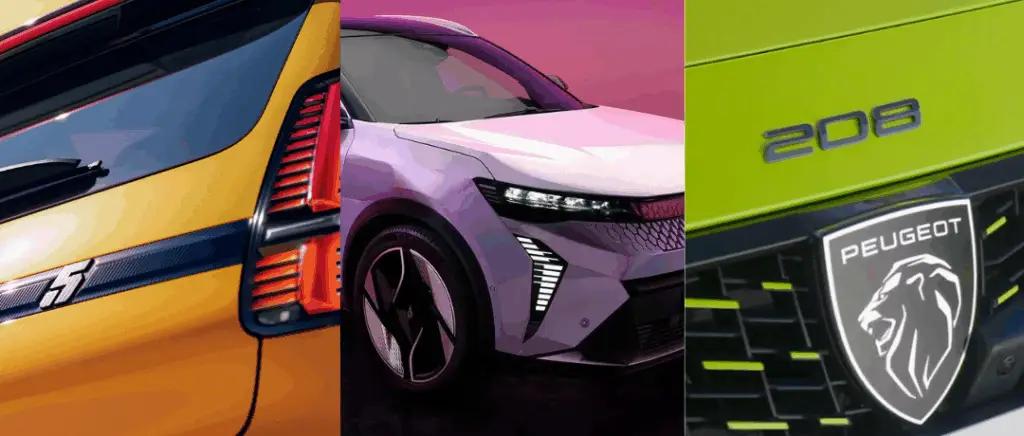
- Peugeot e-208,
- DS3 Crossback E-Tense,
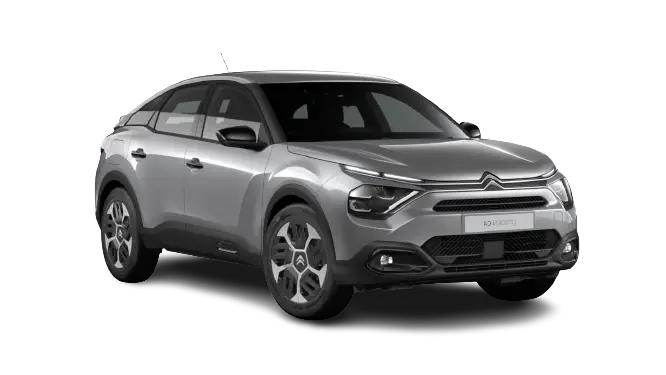
- Citroën e-C4
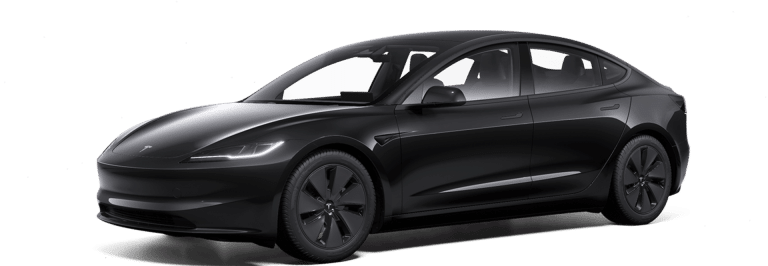
Tesla Model 3s assembled in Europe are also affected.
What are the differences between the Ecological Bonus and the Electric Vehicle Incentive?
Since summer 2025, the financing of the ecological bonus has changed: it is no longer financed directly by the State, but by energy suppliers via the Energy Savings Certificates (EEC) scheme. It is now called "Coup de pouce véhicules électriques".
Here are the main differences between the Ecological Bonus and the Electric Vehicle Incentive:
Financing :
- Before July 2025: the ecological bonus was a national subsidy, financed by the State.
- Since July 2025: the system has been based on CEE obligated parties (energy suppliers), who pay the premiums directly to purchasers.
Eligibility :
- Conditions remain broadly the same.
- Vehicles ordered before 1 July 2025 remain eligible for the old eco-bonus, provided that invoicing takes place before 30 September 2025.
Additional bonuses :
- The "Helping Hand" scheme entitles you to an additional €1,000 bonus via partner energy suppliers, on top of the basic amount.
Steps to take :
- Buyers can claim the bonus directly from the dealer (who deducts it from the purchase price).
- For the additional bonus of €1,000, a specific application must be made to the energy supplier.
Table summarising the differences between the Ecological Bonus and the Electric Vehicle Help Grant :
| Criteria | Ecological bonus | Helping hand for electric vehicles |
|---|---|---|
| Type of aid | National (State) | Local (region, department, metropolis, municipality) |
| Objective | Supporting the purchase of electric or hydrogen-powered vehicles | Strengthening the ecological transition at local level |
| Amount | Up to €7,000 (depending on income, vehicle price and use) | Varies depending on the authority (e.g. €1,000 to €6,000) |
| Eligible vehicles | New (and sometimes second-hand electric with reduced bonus) | Defined by the local authority (often new electric bikes, sometimes cargo bikes, scooters, etc.) |
| Main conditions | - Price ceiling (e.g. €47,000) - Household income - Residence in France | - Reside or work in the community offering the assistance - Specific conditions depending on the region/metropolis |
| Can you combine them? | Yes, can be combined with the "coup de pouce" and the conversion premium | Yes, it can be combined with the ecological bonus and the conversion premium. |
| Request | Generally done by the dealer or on the ASP (Agence de services et de paiement) website | To be submitted directly to the local authority (online form, supporting documents) |
In a nutshell:
- The ecological bonus is a national subsidy (managed by the State, automatic if the conditions are met).
- The "coup de pouce véhicules électriques" is a local aid scheme (offered by certain regions, départements or metropolitan areas, which can be combined with the environmental bonus).
How do I claim the Ecological Bonus in 2025?

The procedure for applying for the new "electric vehicle rebate" differs slightly from the old system. To qualify, you must purchase or lease an eligible new vehicle between 1 July 2025 and 31 December 2025.
Here are the steps to follow:
Step 1: Check the eligibility of the vehicle and the buyer
- The vehicle must be new, 100% electric and meet the price and environmental score criteria.
- The purchaser must reside in France and provide the required supporting documents.
Step 2: Ask for help with your purchase:
Applications for the eco-bonus are mainly made through professionals:
- The dealer can deduct the premium directly from the purchase price, or from the first rental payment in the case of long-term leasing.
- The amount of aid must be clearly shown on the invoice or contract.
Stage 3: Supplementary application to energy suppliers :
An additional bonus of €1,000 can be obtained as part of the Energy Savings Certificate scheme (CEE).
- This is done through partner energy suppliers.
- A separate application must be submitted.
Step 4: Gather and provide the mandatory documents
The application must be accompanied by supporting documents:
- Proof of purchase or leasing contract for the new vehicle.
- Notice of tax assessment for calculating the reference tax income per unit.
- Certificate of conformity attesting to where the battery was assembled and manufactured.
Stage 5: Follow-up and processing :
Particular care must be taken when compiling the application to avoid delays in processing. Supporting documents must be complete and comply with regulatory requirements.
Once the application has been validated, the aid is paid by the Agence de services et de paiement (ASP) or deducted directly by the professional.
Good to know If you are buying through an agent or from abroad, check carefully that the vehicle you are buying is eligible and that the battery is produced in Europe, otherwise the allowance will not be granted.
Concrete example of cumulating aid in 2025:
Let's take the example of an electric city car priced at €25,000 including tax.
- Helping hand for electric vehicles (French government): €5,000 (depending on income and eligibility).
- Additional CEE bonus: €1,000 via a partner energy supplier.
- Conversion premium (if an old car is scrapped) thermal vehicle): up to an additional €5,000.
- Possible local aid (region, metropolis, commune): variable, for example - €2,000.
In the best-case scenario, the vehicle can cost as little as €12,000, a saving of more than 50 % on the initial price.
How will the Ecological Bonus benefit the European car industry?
The introduction of the new Ecological Bonus in 2025 is not just intended to encourage private individuals to switch to electric vehicles. It is also a strategic lever for the European automotive industry.
- Favouring vehicles produced in Europe Environmental score: the environmental score gives preference to vehicles whose production and batteries come from a less polluting circuit that is closer to the European market.
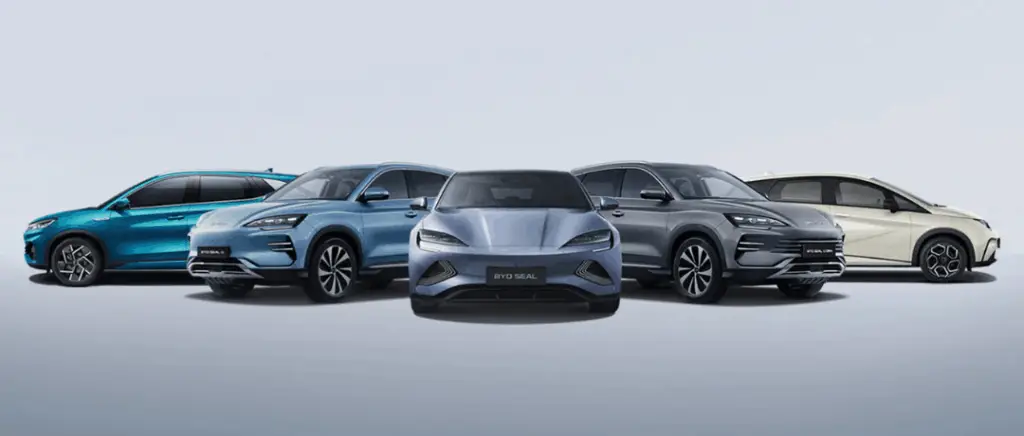
- Reducing dependence on imports from outside Europe Until now, a large proportion of cheap electric vehicles have come from China. Under the new scheme, these models are less likely to qualify for the bonus if they do not meet the environmental and production criteria. This will limit competition and protect the domestic market.
- Encouraging local industrial investment: the government is encouraging manufacturers to locate or expand their plants in Europe. As a result, there are already a growing number of "gigafactory" projects in France, Germany and Eastern Europe.
- Stimulating innovation and the green transition the bonus also becomes a tool for innovation because it reduces thecarbon footprint of the vehicle life cycle, and supports more environmentally-friendly production through: longer-lasting batteries, European recycling circuits, and less polluting production technologies.
Summary table of the Ecological Bonus in October 2025
| Criteria | Ecological bonus (until 30/09/2025) | Electric vehicle incentive (from 01/07/2025) |
|---|---|---|
| Type of aid | State-funded national aid | Help financed by energy suppliers (CEE) |
| Period of application | Orders up to 30 June 2025, invoiced before 30 September 2025 | Orders placed from 1 July 2025 onwards |
| Maximum amount | Up to €7,000 depending on income and vehicle | Up to €5,200 + additional €1,000 bonus via an energy supplier |
| Conditions of eligibility | - New electric vehicle (or hydrogen) - Price ≤ €47,000 incl. VAT - Residence in France | Identical: social criteria, price ≤ €47,000 inc, ADEME environmental score, EU assembly for maximum bonus |
| Additional premium | No | More than €1,000 via a partner energy supplier |
| Request | - Possible advance payment by the dealer - Or apply online to the ASP | - Possible deduction by the dealer - Additional file with the energy supplier |
| Can be combined | Yes, with the conversion premium and local aid | Yes, with the conversion premium and local aid |
Conclusion: the 2025 Ecological Bonus, a powerful lever for electric mobility
The Ecological Bonus marks a new stage in the transition to sustainable mobility. With aid of up to €5,200 available from 1 October 2025, and the possibility of combining the scheme with the conversion bonus or local grants, electric mobility is becoming more accessible than ever for French households.
As well as supporting private individuals, this scheme also benefits the European automotive industry by encouraging local production and reducing dependence on imports from outside Europe.
At Beev, we are convinced that these measures will help to accelerate the adoption of electric vehicles, while enabling our customers to benefit from the maximum amount of aid available. Whether you are a private individual or a professional, now is the ideal time to take the step towards zero-emission mobility.