




























Why a passport battery ?
Until now, the world of batteries has remained relatively opaque. Businesses and consumers alike often lacked precise information about the origin of materials, their actual lifespan and the potential for recycling. battery recycling for electric vehicles.
To remedy this, the European Union has decided to introduce a digital battery passport. This regulatory requirement, which will become compulsory from February 2027aims to make the life cycle of batteries more transparent.
In practical terms, the battery passport will take the form of a unique, traceable digital document associated with each rechargeable battery of more than 2 kWh. This applies to all electric vehicles, from cars and vans to scooters and bicycles. It will contain detailed information on the origin, type and type of battery. carbon footprintand its composition, as well as its state of health throughout its use.
Thanks to this enhanced traceability, it will be possible to track each battery from its production to its recycling, thereby promoting a more environmentally-friendly approach. greater environmental responsibility and better promotion of virtuous practices within the industry.
For consumers, this passport is a guarantee of transparency and confidence: the purchase of an electric vehicle will now offer complete visibility of the battery's performance and durability.
For manufacturers and fleet managers, this is a key step towards a more sustainable value chain, in line with ESG requirements.
An ambitious European regulatory framework
The European regulation on batteries (EU) 2023/1542, which came into force progressively in February 2024, marks a major turning point for the entire industry. This text, which now applies uniformly throughout the European Union, replaces the 2006 directive, which left Member States room for interpretation. It aims to provide a strict framework for the entire life cycle of batteries, from design to recycling.
Since August 2025, approved eco-organisations have been responsible for organising the collection, sorting, treatment and recycling of batteries. The regulation will be fully implemented in 2027, establishing a demanding and coherent common framework at European level.
This regulation imposes stricter requirements in terms of :
- Eco-responsible designto promote reparability, reuse and dismantling;
- Materials recovery such as the nickellithium and cobaltessential to the energy transition;
- Environmental traceability thanks to battery passportThis digital identity card can be used to identify the source of raw materials, the carbon intensity of manufacturing processes, and the conditions for recycling and recovery at the end of a product's life.
This ambitious scheme responds to a dual imperative: reducing the environmental footprint of battery production and preserving natural resources by establishing a more virtuous and transparent circular economy.
A unique QR code for each battery: the heart of the system
A Unique QR code affixed directly to each battery is the central tool for transparency and traceability. A veritable digital identity card, this device gives access to a complete, standardised database covering the entire life cycle of the battery.
By scanning this QR code, users, manufacturers and authorities will be able to consult a wide range of information, including :
- the origin of materials and their carbon footprint,
- the chemical composition of the battery,
- Performance data and State of Health (SoH),
- as well as information on repair and recycling operations.
This digital register also includes details of manufacturers, assembly conditions, dates and places of production, the type of chemistry used, the total weight of the battery and the proportion of recycled materials incorporated into the cells.
Thanks to this unique identifier, each battery can be tracked from end to end, from the extraction of raw materials right through to end-of-life, guaranteeing complete traceability and better control of its environmental impact.
With Beev
Switch to
Electric cars
or install your
Charging station
For individuals and businesses
A revolution for users and fleet managers
The new European framework marks a decisive turning point for users of electric vehicles and fleet managers alike. By increasing the transparency and traceability of batteries, it paves the way for a more accurate assessment of the value of vehicles, while optimising the technical and environmental management of their essential components.
Better valuation and real-time monitoring
The battery is now becoming a key indicator in assessing a vehicle's value. Thanks to data from the Battery Management System (BMS) and the battery passport, it will be possible to find out exactly what its state of health (SoH) and state of charge (SoC) are.
This continuous monitoring will not only reduce maintenance costs, but will also enable intelligent planning of replacements, promote second life for batteries and improve their recycling rate.
Since May 2024, the regulation has required every battery placed on the European market to be fitted with a BMS. In addition to its technical role of cell balancing to extend battery life, this system collects and analyses critical data that must be accessible to the legal purchaser or authorised third parties.
However, the regulations provide for a strict framework for these exchanges in order to avoid any risks linked to security, intellectual property or fraud.
A strategic asset for leasing and fleet management
The transparency provided by the battery passport is a major lever for the leasing and resale of electric vehicles. Visit fleet managers will be able to rely on reliable, standardised data to assess performance, anticipate maintenance needs and drive predictive maintenance strategies.
This information also encourages the implementation of models based on the circular economy, strengthening the corporate social responsibility (CSR) of companies in the sector.
A controlled and certified carbon footprint
The European regulation introduces a mandatory assessment of the carbon footprint of batteries through a life cycle assessment (LCA). This takes into account all direct and indirect greenhouse gas emissions, from the extraction of raw materials to the end of the product's life.
Each player in the value chain (suppliers, assemblers, manufacturers) will have to calculate and certify these data via an independent third-party body, thereby guaranteeing their reliability and comparability at European level.
Recycling at the heart of the circular economy
In order to limit dependence on critical resources and reduce emissions linked to their transport, the regulation sets minimum quotas for recycled materials to be included in the production of new batteries.
From May 2025, all batteries will have to bear the symbol of the crossed-out wheeled bin, indicating that they must be collected and recycled in specialised channels.
Then, from May 2028, industrial and electric vehicle batteries will have to be accompanied by documentation detailing the proportion of materials from secondary sources.
These measures reflect a clear ambition: to make batteries a sustainable, traceable and circular product, serving more responsible mobility and controlled energy management on a European scale.
Discover the electric cars available from Beev
Pioneering manufacturers and technological innovations
Kia Europe: first public test in 2025 with follow-up at cellular level
Kia Europe has anticipated the introduction of the European digital passport for batteries by launching a pilot project in collaboration with several European partners in February 2025. A prototype Kia EV3, specially flown in from South Korea, was used as the test vehicle.
This model features ground-breaking cell-level monitoring technology, capable of analysing each battery cell independently rather than the whole pack. This ultra-precise monitoring enables the condition of each cell to be read in real time, facilitating early detection of anomalies and targeted maintenance. In the event of a malfunction, only the faulty cells can be replaced, reducing maintenance costs and waste and extending battery life.
Kia's future digital passport is not limited to technical monitoring: it compiles all the data relating to the battery's life cycle, including thestate of health (SoH)This information can be consulted directly on the infotainment system screen, providing drivers with total transparency and technicians with an advanced diagnostic tool. This information can be viewed directly on the infotainment system screen, providing drivers with total transparency and technicians with an advanced diagnostic tool.
This project is part of the Group's strategy to equip all new electric and hybrid models sold in Europe with a battery passport compliant with European requirements by 2027.
Volvo: native integration on its new models
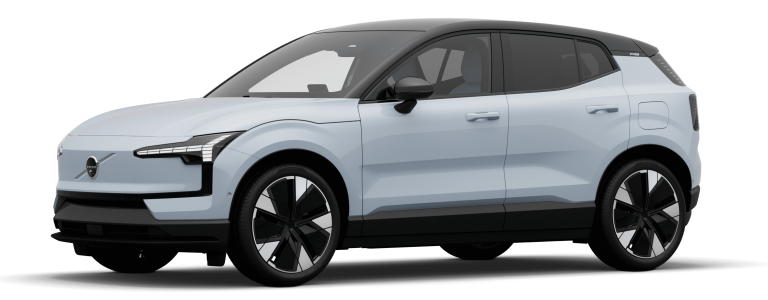
Volvo Cars was one of the first manufacturers to integrate the battery passport directly into its new models. Its SUV 100 % electric EX90 is pioneering this approach: each vehicle is fitted with a unique QR code, enabling owners to track the health of their battery for at least fifteen years.
This integration illustrates the Swedish manufacturer's determination to place transparency and sustainability at the heart of its technological strategy.
Towards European standardisation
Visit At the same time, a number of European consortia have been working to define common standards guaranteeing data security (non-falsifiable, non-erasable) and interoperability between manufacturers, repairers and recyclers.
These initiatives mark a key step towards a unified European ecosystem, in which the digital traceability of batteries becomes a pillar of the responsible energy transition.
How can companies prepare for the battery passport today?
1. Anticipating regulatory compliance
To remain competitive and compliant, it is in the interests of companies to begin their transition to battery compliance now. Mobility players, whether manufacturers, fleet managers, leasers or companies operating electric vehicles, need to map out their future obligations today. These include :
- identify the batteries covered by European regulations (industrial, electric vehicles, stationary storage, etc.);
- analyse the data already available (traceability, carbon footprint, chemical composition, SoH, recyclability);
- adapt internal processes to ensure that this information is collected, processed and stored securely.
By anticipating compliance, you can avoid rushed updating costs and benefit from a competitive advantage when the passport becomes compulsory.
2. Training teams in the new standards
The battery passport requires a culture of data and transparency. Companies must therefore invest in training their employees:
- technicians and maintenance managers, to interpret data from the Battery Management System (BMS) and the digital passport;
- purchasing and CSR teams, to monitor the traceability of materials and the carbon footprint;
- fleet managers, for reading battery health indicators (SoH, SoC) and planning replacements or reconditioning.
This increase in skills will ensure that the new tool is adopted smoothly and that battery data is used more effectively in the company's operational and environmental strategy.
3. Auditing your fleet and management practices
Before 2027, it is crucial to carry out a complete audit of the electricity fleet in order to identify :
- battery models in circulation and their technical specifications ;
- the overall state of health (SoH) of existing batteries;
- the company's ability to integrate future traceability requirements and communicate this data to European platforms.
An audit of this kind makes it possible to prioritise replacements, optimise life cycles and plan future investments (monitoring software, smart terminals, environmental reporting tools).
4. Towards a sustainable and compliant mobility strategy
Preparing for the battery passport also means aligning your fleet strategy with European sustainability objectives:
- by favouring vehicles that already incorporate advanced management systems;
- implementing a policy of recycling and second life for batteries;
- using passport data to measure and communicate progress in CSR and carbon footprint reduction.
The battery passport is not just a regulatory constraint: it's an opportunity to rethink the energy and environmental management of fleets. By making each battery traceable and transparent, the European Union is encouraging the entire industry to be more responsible, efficient and sustainable.
Businesses that anticipate this transition now will have a head start in terms of both compliance and performance.
Get a car policy with Beev!
Need a car policy for your company? Beev will provide you with a free personalised car policy for your company.