














Accessibility, the driving force behind the democratisation of electric vehicles
A turning point in affordability
Previously, the purchase of electric vehicles in Europe required a substantial investment. This financial barrier was the main obstacle to the mass adoption of electric mobility.
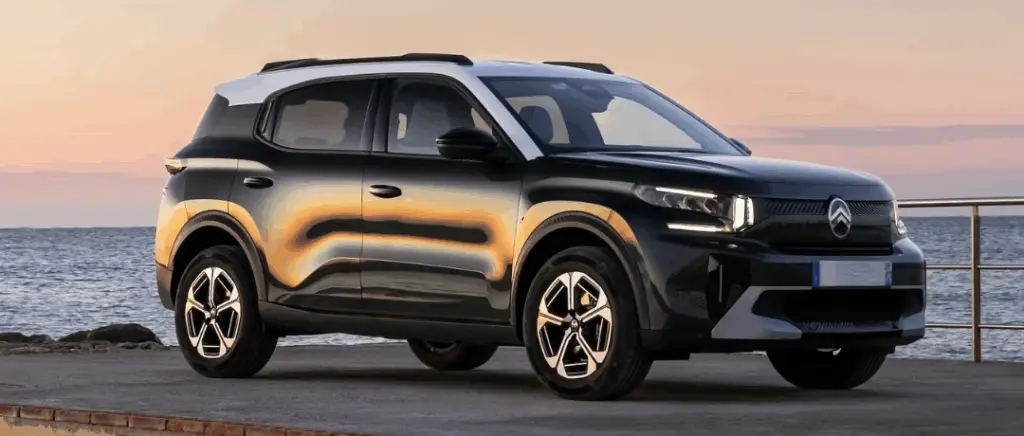
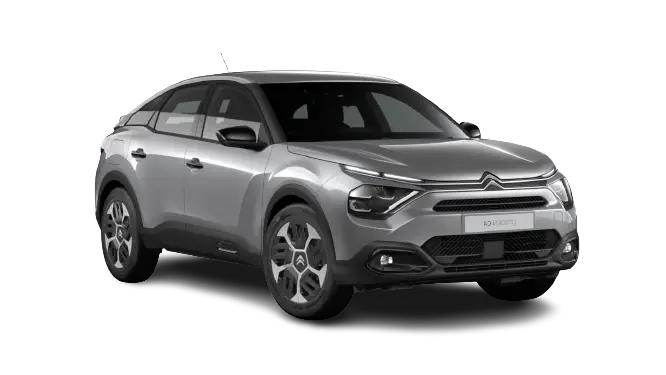
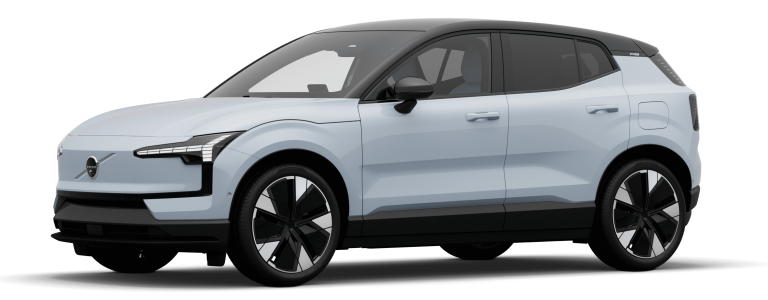
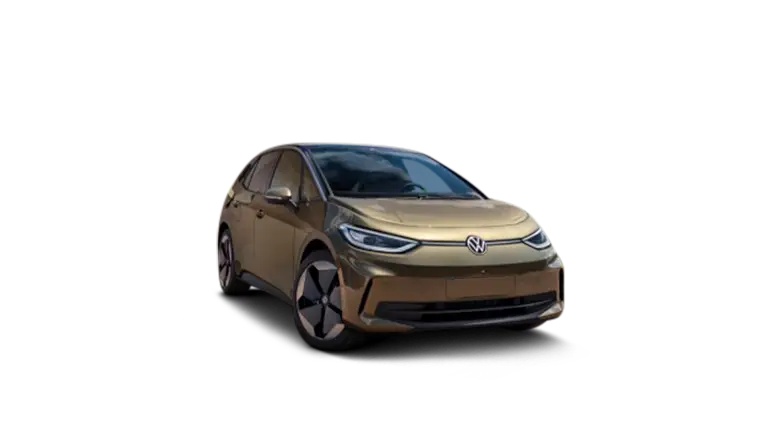
The year 2025 marks a decisive break in this dynamic. The arrival on the market of affordable models costing less than the symbolic €25,000 will radically transform the economic equation. New vehicles such as the Citroën ë-C3the Renault Twingo E-Tech or the Dacia Spring. These models make electric cars accessible to the middle classes. And this democratisation of prices is not at the expense of quality! The new models offer more than enough battery life to cover the daily needs of most users.
This fall in prices can be explained by several converging factors:
- the gradual reduction in the cost of batteries
- large-scale industrialisation, enabling manufacturers to achieve substantial economies of scale
- intensifying international competition, particularly with the massive arrival of Chinese brands
- numerous public subsidies
In addition to the purchase price, the total cost of ownership (TCO) is becoming a major selling point. With electricity costs significantly lower than fossil fuels, reduced maintenance costs and advantageous tax exemptions for companies, electric vehicles often prove to be economical in the long run.
Figures that speak for themselves
Growth in the European market for electric vehicles is progressing slowly but surely. The market share of electric vehicles has now reached 17.34% of all car sales in Europe, a symbolic threshold that confirms the entrenchment of electric vehicles in purchasing habits. In some countries, such as Norway, this proportion even exceeds 80%, demonstrating that a massive transition is possible when the economic and infrastructural conditions are right.
An analysis of penetration statistics by price segment reveals some particularly instructive trends. Electric vehicles costing less than €25,000 now account for around 25 to 30% of total electric vehicle sales. This entry-level segment is attracting new customers who were previously excluded from the electric market.
The intermediate segment, between €25,000 and €35,000, represents the largest share of the market, with around 40 to 45% of sales. It's in this range that the models with the best balance in terms of price/performance/performance are to be found. autonomy.
Volkswagen Group manufacturers now dominate sales of electric vehicles in Europe, with 133,465 units sold in the first half of 2025, a spectacular increase of 78% in one year. This performance is based on a multi-model strategy covering all price segments, from compact cars to large saloons and SUVs.
Deciphering sales: who buys what and why
Overview of electric vehicle sales in September 2025
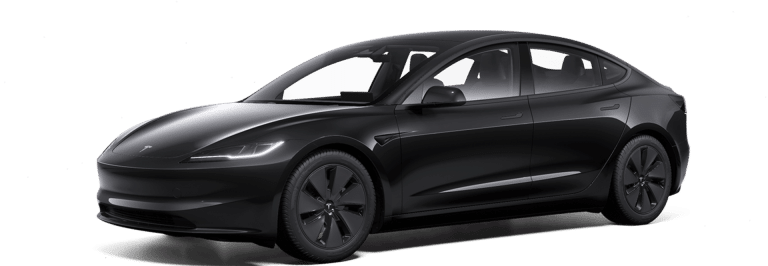
A detailed analysis of the market reveals a landscape that is changing radically. Established hierarchies are being overturned by the arrival of new models and the rise to prominence of hitherto peripheral manufacturers. The Tesla Model Y, which has an even more affordable version recentlyThe Group maintains its number one position in the first half of 2025. However, this position is accompanied by a fall of 32.5% compared with the previous year.
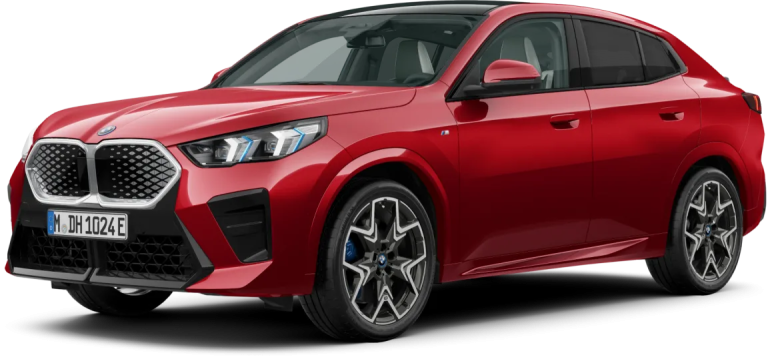
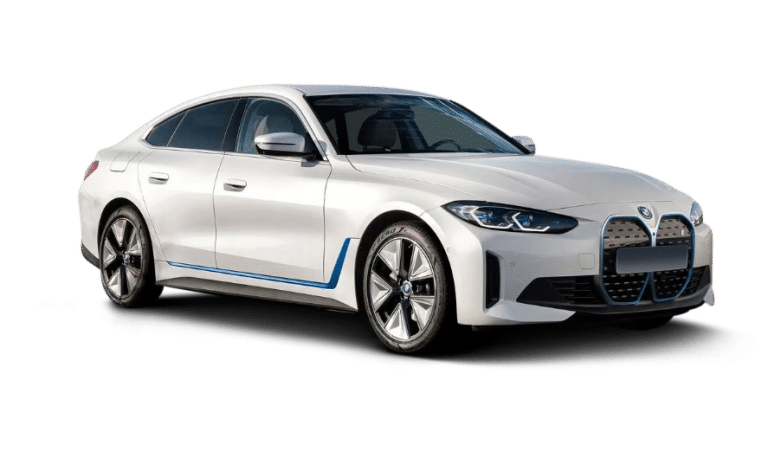
As we saw above, it is Volkswagen that is now coming out on top. The group dominates with 135,427 electric vehicles sold. BMW remains in third place with 93,576 units. Skoda, with its particularly effective price-volume strategy, exploded with 70,947 units, while Renault posted a handsome increase of 58% with 63,704 electric vehicles delivered.
Segmentation by category reveals marked preferences among European consumers. SUVs continue to dominate sales. Saloons account for 25 to 30% of sales. Finally, city cars and small crossovers account for between 15 and 20% of the market. However, this proportion is set to increase with the arrival of new affordable models in this segment.
Changing reasons for buying electric vehicles
The transformation of the European electric vehicle market is not limited to sales figures. The typical buyer profile has also diversified considerably. The motivations are different, particularly with the desire for economic rationality, which marks a break in the perception of electric mobility. Purchase price and total cost of ownership are now the determining criteria.
This development can be explained in part by the arrival on the market of a new generation of buyers who could be described as "first-time electric car buyers". These consumers are above all looking for a mobility solution that is both economically viable and practical for their everyday use. They are focusing on value for money, real range under normal conditions of use, and the availability and accessibility of recharging infrastructure.
The impact of Low Emission Zones (LEZ) on the reasons for buying a car is gradually intensifying in Europe. Many cities are tightening their restrictions on access to the most polluting combustion-powered vehicles. As a result, the purchase of an electric vehicle is sometimes becoming a necessity.
Corporate fleets, for their part, are applying increasingly structured decision-making criteria. Total cost of ownership (TCO) over 3 to 5 years is the main criterion. In some cases, it even takes precedence over considerations of brand image or social responsibility. Electrification is focusing primarily on company vehicles for urban and regional use, where operating savings are most significant.
Renault and European manufacturers face the Chinese
The massive influx of Chinese manufacturers into the European electric vehicle market is undoubtedly the most significant upheaval in recent years. Long seen as peripheral players, Chinese brands are now emerging as serious, even formidable, competitors for established European manufacturers.
The figures bear witness to this spectacular rise. In the first half of 2025, Chinese brands had a record market share of 5.1% for 100% electric vehicles in Europe. Their volumes rose from 181,897 to 347,135 units in one year, an increase of 91%. In September 2025, the Chinese groups BYD, MG and Chery even achieved a total market share of 7.4% in Europe (all engine types combined), an increase of 149% in one year. For the first time, they have overtaken Korean manufacturers Kia and Hyundai.
Faced with this existential challenge, European manufacturers are not standing idly by. Renault is a particularly good example of this strategic response. The French manufacturer has announced its ambition to reduce the production cost of its electric vehicles by 40%. This strategy is based on four key areas:
- Drastically simplifying vehicle architecture
- Maximum sharing of platforms between models
- Optimising production processes
- The strategic relocation of certain activities.
The French manufacturer has established itself as the leader in European growth, excluding Chinese brands. In so doing, it is demonstrating that it is possible to respond effectively to competition from Asia without sacrificing profitability.
The European Union's response is still too weak
The Chinese offensive comes against a backdrop of industrial overcapacity. Manufacturers are seeking to sell their stocks via Europe, where regulatory requirements are increasingly driving the mass adoption of electric vehicles. In response to this threat, the European Union has introduced temporary customs duties on imports of electric vehicles from China.
These measures are designed to protect European industry, but for the time being they will not halt China's advance. However, they do give European carmakers a breathing space to adjust their cost structures and accelerate their affordable electrification programmes.
What this means for business fleets
The impact of Renault's strategy on fleets
Renault's announced strategy to reduce the production cost of its electric vehicles by 40% is an opportunity for professional fleet managers.
There are many practical consequences for fleet managers:
- Increased affordability means that the electrification of the car fleet is likely to be faster and more widespread.
- Cost predictability is a major strategic advantage for electric fleets.
Anticipating regulatory obligations, such as the European Directive CSRD (Corporate Sustainability Reporting Directive) which requires large listed companies and SMEs to publish detailed reports on their greenhouse gas emissions.
You would like toto electric?
Beev offers multi-brand 100% electric vehicles at the best prices, as well as recharging solutions.
An unprecedented economic opportunity
The widespread fall in the price of electric vehicles represents a historic opportunity for professional fleet managers. Lower acquisition costs, combined with optimised TCO, mean that electrification is now profitable in a large proportion of fleet segments.
Operating savings are the first lever of this profitability. The cost per kilometre of energy, based on electricity rather than fossil fuels, represents savings of 60 to 70% on average.
Tax benefits further widen the profitability gap. Total exemption from Company Vehicle Tax (TVS) for electric vehicles represents significant savings. The accelerated depreciation allowed for electric vehicles also offers a significant financial advantage. With a ceiling of €30,000, compared with €18,300 for internal combustion vehicles, it is very attractive in terms of cash flow and tax optimisation. Companies can deduct the initial investment more quickly, reducing their tax burden in the short term.
The calculation of the return on investment (ROI) must also include the costs avoided in terms of access to urban centres. With the proliferation of Low Emission Zones (LEZs), even recent combustion-powered vehicles are gradually seeing their circulation restricted. For company fleets whose business requires regular urban travel, electrification is becoming an operational necessity.
A broader range of products tailored to fleets
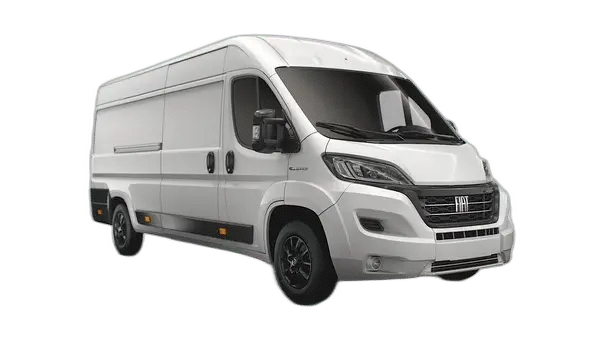
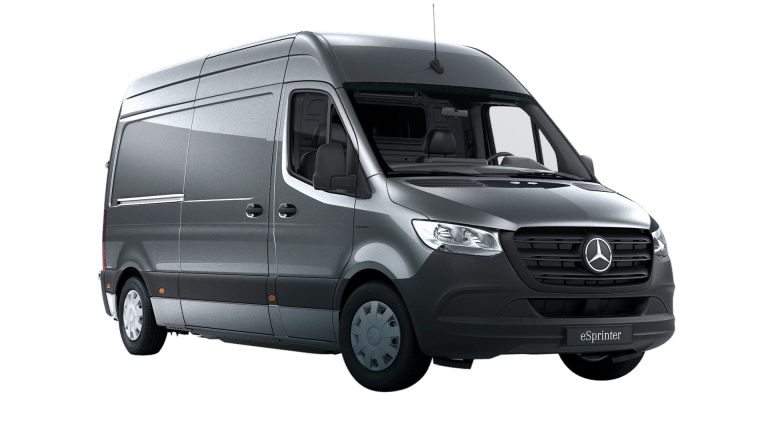
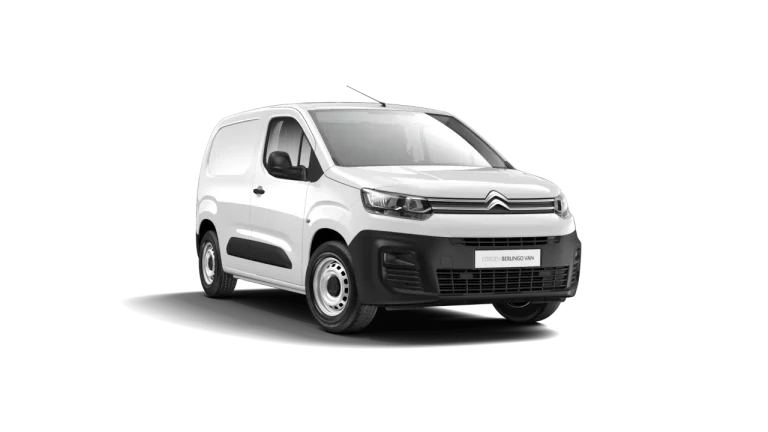
The development of electric vehicles is increasingly tailored to the specific needs of professional fleets. Affordable electric commercial vehicles are on the increase, meeting the needs of very small businesses and SMEs, as well as tradesmen and service providers. The Citroën e-Jumpy and the Peugeot e-Partner are great classics for these business segments. They now offer ranges of between 200 and 230 kilometres, and are eligible for environmental bonuses specific to commercial vehicles.
As for vehicles designed for short, predictable journeys, electric city cars offer the perfect solution. Their low acquisition cost, urban manoeuvrability and minimal running costs make them particularly well-suited to professional mobility.
Conclusion
The year 2025 will go down in the history of the European car industry as the year when price became the real accelerator of the electric transition. The widespread reduction in acquisition costs, the spectacular expansion of the range across all segments, and the continuous improvement in performance are transforming the electric vehicle into a rational and accessible mobility solution.
The figures bear witness to this democratisation: over a million electric vehicles registered in the first half of the year, and an unprecedented diversification of buyer profiles. From the middle classes to professional fleets, from craftsmen to large groups, electric vehicles are gradually conquering the entire European automotive market.
The outlook for 2025-2027 is for this trend to accelerate. Analysts expect prices to continue to fall, driven by economies of scale, optimisation of production processes and intensifying competition.
For professionals, the time to act is now. The current convergence of favourable factors is creating an exceptional window of opportunity to electrify fleets under optimum economic conditions. Businesses that anticipate this transition are securing their mobility costs today, improving their carbon footprint and positioning themselves favourably in the face of future regulatory constraints.
Monday to Friday, 9am to 12.30pm and 2pm to 7pm