













The French go electric en masse
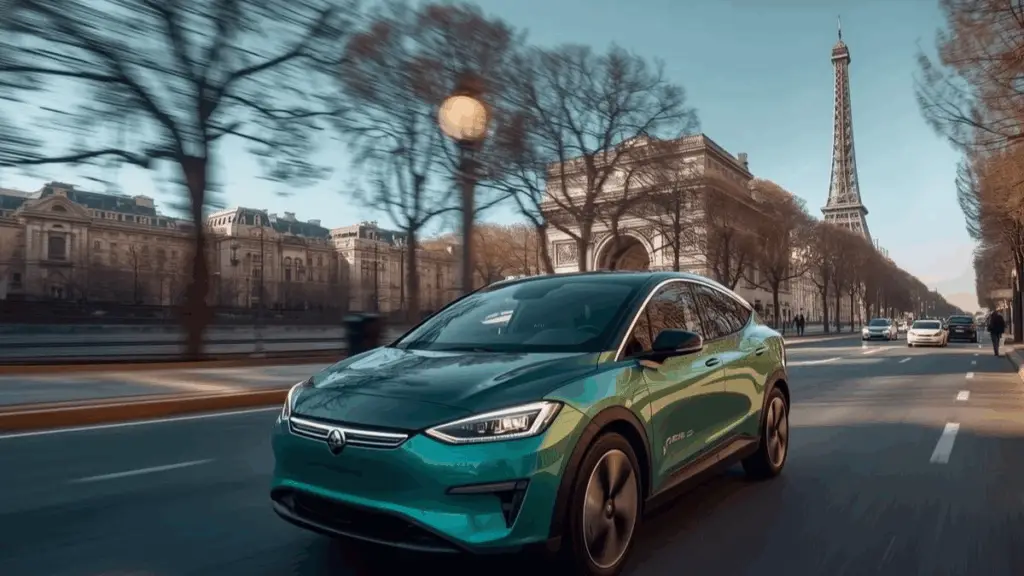
The electrification of the French car fleet is no longer a hypothesis: it is a measurable reality.
The figures confirm that the electric vehicle is making its way into everyday household life, driven by a growing number of customers. economic, ecological and practical factors.
This mass market maturity creates the ideal conditions for accelerate the transition of fleets to low-carbon mobility.
Figures confirm sustained adoption
In 2025, France reaches a milestone:
- more than 1.3 million electric vehicles on French roads;
- a market share for new electric vehicles ofover 24 % ;
- 89 % of users recharge their vehicle at least once a week ;
- and 93 % say they are satisfied with their day-to-day experience.
These indicators reflect a profound shift: electricity is no longer seen as a technological constraint, but as a solution for comfort, cost control and environmental responsibility.
How private use is boosting fleet electrification
According to Enedis, nearly 7 out of 10 users use their electric vehicle at work: commuting, customer visits, sales rounds.
This porous relationship between private and professional use shows that employees who experiment with electric vehicles at home become the best ambassadors for sustainable mobility in the workplace.
For fleets, this means that the cultural barrier to adoption no longer exists: drivers are ready, trained and convinced.
It is now up to managers to structure this transition in a rational and profitable way, by integrating the electric vehicle into an overall sustainable mobility strategy.
Consumer adoption accelerates fleet transition
The widespread adoption of electric vehicles by private customers is acting as a natural accelerator for business fleets.
Employees who are already familiar with recharging, driving and using EVs are making it easier for companies to make the switch internally.
Employees already trained in electric vehicles
One of the major obstacles to fleet transition - resistance to change - is tending to disappear.
Employees who have experimented with a personal electric vehicle :
- better understand the challenges of recharging andautonomy,
- spontaneously adapt their driving to save energy,
- and plan their business trips more efficiently.
The result: smoother integration of electric service vehicles, fewer incidents of use and faster adoption without additional training costs.
More favourable conditions for managers
The development of the consumer market has also improved the professional ecosystem:
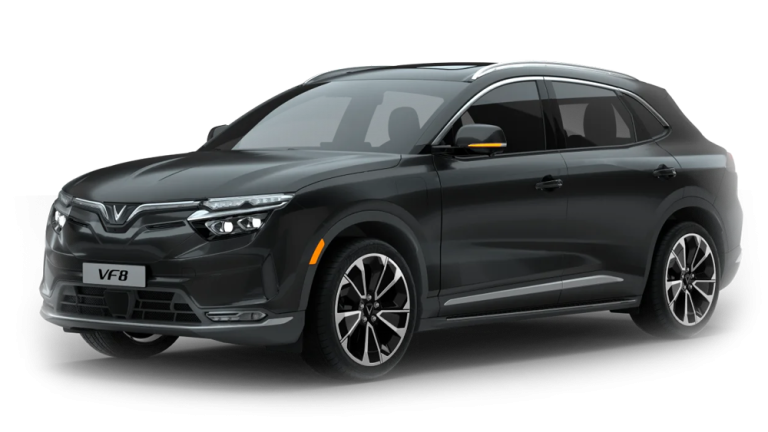
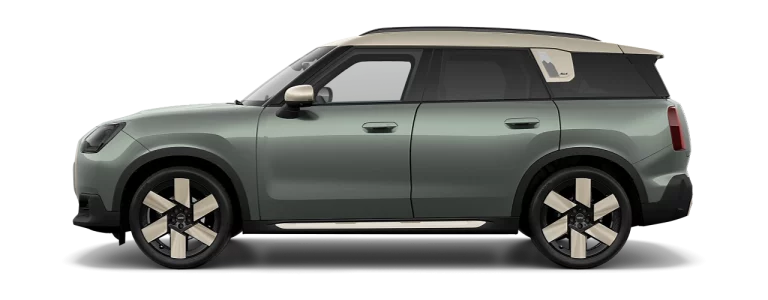
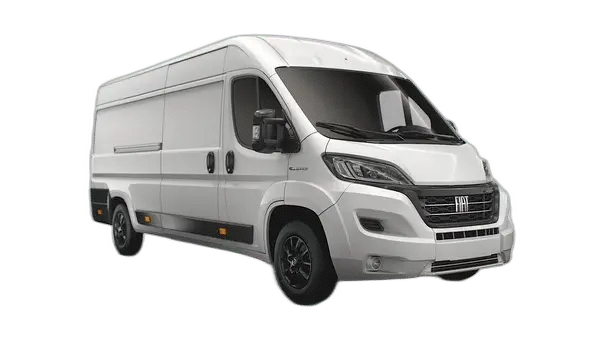
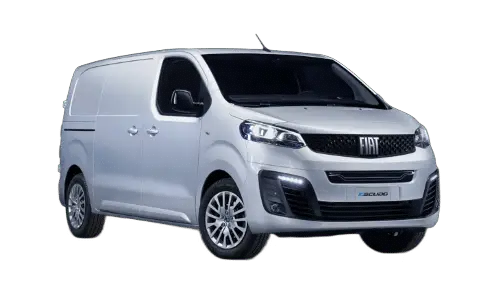
- the range of models has been extended to all segments (SUVs, city cars, light commercial vehicles),
- shorter delivery times thanks to European production,
- and the market for second-hand electric vehicles (recent leased vehicles) is becoming a way for SMEs to balance their budgets.
Combined with lower TCO and more mature infrastructures, the switch to electric vehicles is no longer just a risk, but a rational investment for fleets.
A new era for recharging: simplicity, flexibility, performance
Recharging remains at the heart of the perception and adoption of electric vehicles. The study shows that uses are stabilising and diversifying The French have now got to grips with their recharging habits and are making them a natural part of their daily lives, including at work.
Home recharging is still in the majority
Nearly 75 % dThe vehicles are recharged at home or at the workplace, often at night. This model stabilises energy costs, estimated at between €2.50 and €4 per 100 km, representing a saving of almost 60 % compared with a full tank of fuel.
For companies, this habit has a twofold advantage:
- less dependence to public recharging ;
- less stress logistics for drivers.
Slow recharging on AC charging points is becoming the norm for fleets, while fast DC charging points are reserved for occasional or itinerant needs.
Strong growth in public pay stations
Today, France has more than 160,000 public charging points, with a target of 400,000 by 2030.
As a result, access will be smoother, including for inter-regional journeys.
Fleet managers can plan mixed journeys (home, office, roaming) using software solutions such as Fleet Manager, to optimise routes, recharging times and energy costs.
Towards a 'mixed' fleet model
Companies are moving towards a hybrid model combining home, business and public recharging.
This flexibility makes it possible to reduce infrastructure costs, spread usage more evenly and ensure the energy continuity of the fleet.
In the medium term, this model could become the norm for multi-site or mobile fleets.
Clear motivations: economy, environment and comfort
If the French are adopting electric cars, it's not just for ecological reasons.
The choice is above all economic and pragmatic, backed up by unprecedented comfort of use.
These motivations are directly reflected in fleet purchase and renewal decisions.
The economy remains the main driver
The TCO of an electric vehicle is currently 15 to 25 % lower than that of a thermal vehicle.
Less maintenance, cheaper energy, better residual value: fleets are optimising their costs while improving the durability of their assets.
Environmental impact as a lever for CSR performance
Reducing CO₂ emissions and ZFE compliance reinforce companies' responsible image.
Electrified fleets are becoming a concrete vector of CSR strategy, valued in extra-financial reports and calls for tenders with ESG criteria.
Drivers are won over by user-friendliness
Silence, immediate torque, smooth driving, controlled range: the electric vehicle improves driving comfort and therefore employee satisfaction.
An HR asset that encourages buy-in and strengthens the employer brand.
Use the TCO simulator to calculate the total cost of ownership of your car and compare it with its internal combustion equivalent.
Lessons for fleet managers
To take advantage of this dynamic, managers need to move from a reactive approach to a proactive strategy.
The aim is to make electric mobility a reality. operational performance lever and financial, rather than simply an environmental imperative.
Adapting the car policy to the new reality
Automotive policies must now include :
- TCO as the central criterion (energy cost + maintenance + residual value) ;
- origin of production / eco-score (useful for eligibility for certain grants) ;
- uses by profession (actual range, boot, payload, towing, urban vs. suburban driving) ;
- reloading rules (site, home, roaming cards, home reimbursement) ;
- EPZ and criteria ESG in calls for tender.
Express checklist for adapting your car policy:
- "Eligible segments and finishes by business line
- "Minimum autonomy in winter (realistic)".
- "Recharging policy (AC priority, right to plug in, public badges)".
- "Home reimbursement rules (kWh / package)
- "Tracking KPIs (kWh/100 km, costs, CO₂ avoided)"
Capitalising on data to manage the fleet
On-board telemetry and fleet management platforms make it possible to :
- monitor energy consumption,
- plan refills,
- identify potential savings,
- and adjust contracts according to actual usage.
Fleet management is becoming data-driven, enabling proactive, predictive and sustainable management.
The electrical ecosystem becomes a strategic asset
Companies that anticipate electrification are part of a wider movement towards integrated, connected and optimised mobility.
Vehicles become data sensors, charging points become energy balancing tools, and fleets become a competitive lever.
Integrating data for steering purposes
Electric vehicles are natively connected.
This connectivity feeds a real-time management : route tracking, cost-per-kilometre optimisation, maintenance alerts.
Smart charging and energy optimisation
The development of smart charging makes it possible to balance loads, avoid consumption peaks and maximise the use of renewable energies.
Fleets gain in terms of price stability and carbon footprint reduced.
Future challenges for fleet managers
La energy transition is not without its challenges. Between new standards, ESG requirements and infrastructure management, fleets have to adapt quickly while maintaining operational efficiency.
Anticipating the increase in regulatory power
Environmental obligations are intensifying:
- the Climate Law requires 20 % of low-emission vehicles in fleets,
- the EPZ extend to more than 40 cities by 2030,
- the CSRD directive requires full ESG traceability.
Training and supporting employees
Technology counts, but people make the difference:
- Getting started brief (eco-driving, pre-conditioning, planning) ;
- practical guide (winter autonomy, terminals on the move, key gestures) ;
- quarterly feedback to adjust rules and models.
Worth remembering: electric vehicles, an economic and strategic opportunity for fleets
The Enedis study confirms a reality that electricity managers see on a daily basis: electricity is no longer a constraint, it's an opportunity. competitive advantage. The French have adopted new reflexes that are simplifying the transition in their businesses; the market is offering relevant models; data and recharging are structuring more predictable operations.
Key benefits for fleets:
- Lower TCO (energy + maintenance + residual value) ;
- regulatory compliance and strengthening the CSR approach ;
- driver satisfaction and enhanced employer image ;
- data-driven steering and a measurable decarbonisation trajectory.
Companies that plan now (car policy, load profiles, monitoring tools, training) are ahead of the game: lower costs, less risk, higher performance.
Beev is supporting this transformation with an end-to-end offering:
- audit and electrification roadmap,
- TCO simulation and deployment scenarios,
- selection of the right models for each business,
- installation and supervision of pro,
- energy monitoring tools and ESG reporting.
Electric vehicles are an obvious strategic choice for business fleets, a winning choice that is sustainable and creates value.
Manage your fleet easily with our dedicated tool
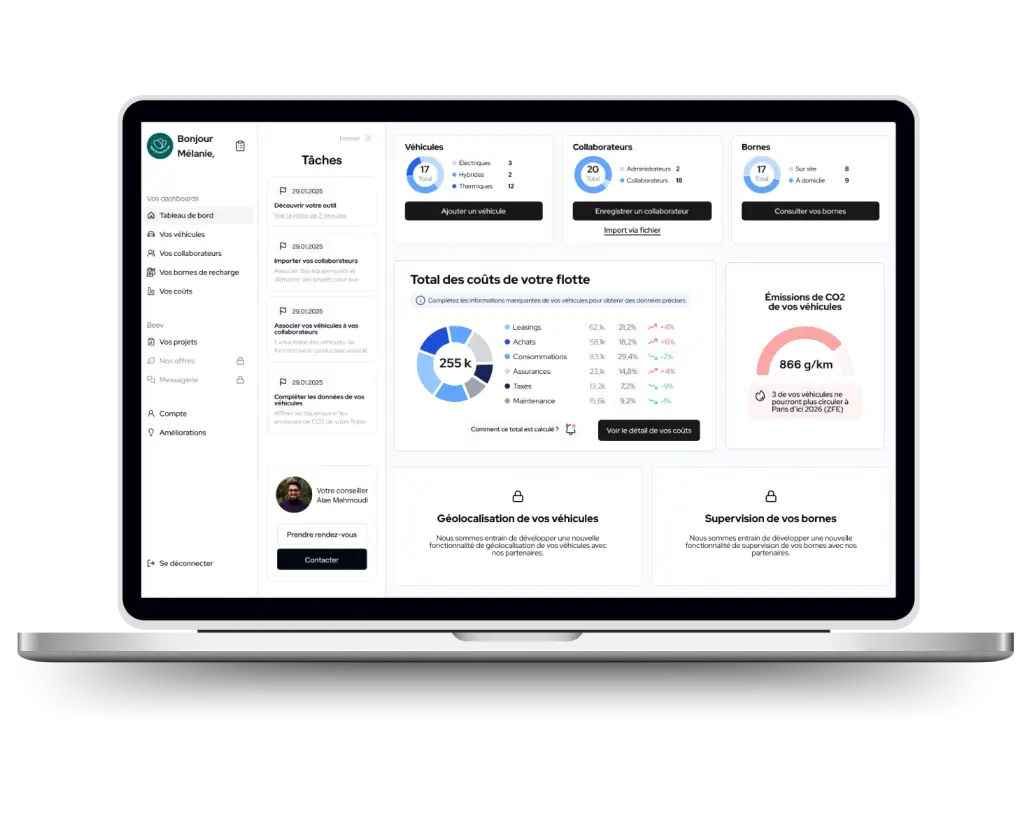
A fleet management tool from A to Z
- Add your fleet and employees in just a few clicks
- Plan your transition to electric vehicles and monitor your CSR objectives in real time
- Centralise your expenses