























The 2026 Finance Bill signals the end of the tax credit
Article 200 of the General Tax Code initially provided for the end of this scheme on 31 December 2025. Several Members of Parliament attempted to change this deadline as part of the debates on the 2026 Finance Bill, but their efforts were unsuccessful.
Jean-Marie Fiévet, MP for the Ensemble pour la République group, tabled an amendment proposing to extend the 2025 tax credit until 31 December 2027. His argument highlighted the essential role of this measure in ensuring a successful transition to electric mobility. He pointed out that 46,932 households benefited from the aid in 2024, for a total tax expenditure of just €23 million. This amount is derisory compared with the national energy challenges.
Despite this, a majority of MPs voted against the amendment at the public sitting on 25 October. The government, for its part, has shown no desire to maintain this tax break.
However, the electromobility industry is holding out slim hope: the text still has to go before the Senate, where new amendments could be tabled. But time is running out, and there is no guarantee that the High Assembly will reverse this decision. This is why 2025 is the best time to install your charging point.
What disappears on 31 December 2025
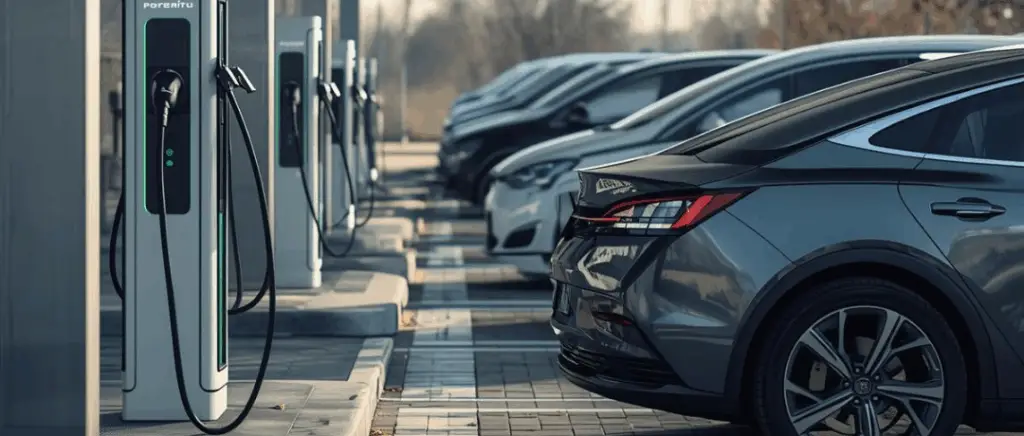
The 2025 tax credit for installing charging points is a major tax break for French households. It allows up to 75% of costs to be deducted, up to a maximum of 500 euros per charging point. The scheme applies to both primary and secondary residences, and also to car parks in shared ownership.
Good to know: only controllable, intelligent and communicating charging points have been eligible since 2024. This equipment makes it possible to programme charging during off-peak hours (which have recently become the norm in France). reformed) to optimise household electricity consumption. Installation must be carried out by an IRVE (Recharging Infrastructure Electric Vehicle) to qualify for the tax credit.
your charging point
For private individuals, this assistance represents a significant saving. The average cost of installing an electric car charging point is between €1,200 and €1,500. With the tax credit, this figure can fall to around €800. Professionals, meanwhile, can combine this scheme with other forms of assistance, such as the "prime" tax credit. Coming soonwhich finances up to 50% of the cost in condominiums.
The figures speak for themselves: almost 47,000 households benefited from this aid in 2024, which testifies to its success. It is of vital importance in speeding up the roll-out of charging points across France. Without this support, the remaining cost for households will increase by an average of 50%, an additional cost that could discourage many installation projects.
The impact on the transition to electric mobility
The electromobility industry is alarmed by this decision
The MPs' decision provoked a strong reaction from the electromobility sector. Industry players denounced a decision that "could mark a major turning point for thousands of households and for the development of electric mobility in France". They point to a major inconsistency in government policy in relation to the social leasing.
The latter has just been renewed to make electric vehicles more accessible, while the end of the tax credit for installing an electric charging point could lead to an increase of around 50% in household expenditure. The professionals are talking about an "inconsistency that risks slowing down the momentum".
Inconsistency with social leasing, a concern for professionals
Encouraging the purchase of electric vehicles through social leasing while at the same time removing support for the installation of charging points creates an imbalance. New buyers of electric cars will be faced with a significant additional cost to equip themselves with a home recharging solution. This could put the brakes on sales and slow down the energy transition in the transport sector.
France's 2035 objectives threatened by this removal
France has set itself ambitious targets for electric mobility, including a ban on the sale of new combustion-powered vehicles from 2035. To achieve these targets, it is vital to deploy a massive number of public and private charging stations. With more than half of all recharging taking place at home or at the workplace, the provision of charging stations for private individuals and businesses is a major strategic challenge. The risk of seeing installation figures plummet in 2026 if no new aid is forthcoming is very real.
Why there's still time to act on your charging point installation
Faced with this urgency, a number of factors are combining to make November and December 2025 a pivotal period for all those planning to install charging points.
IRVE installers available... but for how long?
IRVE-certified installers are currently available, but this situation may not last. The market for charging points is growing by 35% a year. With the announcement of the end of the 2025 tax credit, a rush for installations can be expected between now and the end of December.
Waiting times could increase considerably, from a few weeks to several months. Some individuals and professionals may not be able to complete their projects before the 31 December deadline.
An inevitable rise in costs from 1 January 2026
The disappearance of the tax credit will automatically lead to an increase in costs. Industry players estimate that the end of the scheme could lead to an average increase in household spending of 50%. This increase will be even more marked if it is accompanied by a rise in the price of materials and labour, which is likely in a context of strong demand.
Supplementary aid also under threat
The additional support currently available could also disappear or be reduced. The Advenir bonus, regional and departmental subsidies and certain promotional offers from car manufacturers are still available. But these schemes are neither automatic nor guaranteed over time. Several regions have already reduced their budgets for electric mobility, and others could follow suit in 2026.
Combining grants: an opportunity that may not present itself again
Today, it is still possible to combine different types of support: private individuals can claim the 500 euros tax credit, plus regional aid of between 200 and 600 euros, depending on their location. In some cases, they can also benefit from the Advenir bonus for condominiums (up to 960 euros). All this means that the net cost of installing a charging point can be drastically reduced, or even made virtually free in the most favourable situations.
Immediate comfort and added value for your home
Installing an electric car charging point now also means greater convenience and savings for you and your family. autonomy. No more searching for public charging points or waiting in queues: charging at home during off-peak hours can halve or treble the cost per kilometre, while increasing the value of your home on the property market.
How to take advantage of the scheme before it ends
To qualify for the 2025 tax credit, you must adhere to a strict timetable and meet specific conditions:
- The installation must be completed and invoiced before 31 December 2025. A simple order placed in 2025 but with installation carried out in 2026 will not entitle the customer to the tax advantage.
- Eligible individuals must be resident in France for tax purposes
- Their home must have been completed more than two years ago
- They may be eligible for assistance if they are owners, tenants or free occupants.
- Co-ownership associations can install charging points in communal areas. In this way, each co-owner can take advantage of the tax credit individually, while benefiting from the Advenir bonus.
Good to know: Businesses can benefit from specific grants to equip company car parks or fleets with electric vehicles.
Lease an electric car
Eligible terminals and procedures: instructions for taking advantage of the tax credit
When it comes to choosing an electric car charging point, it's vital to select a model that can be controlled. Intelligent, communicating charging points automatically modulate the charging power according to the home's consumption. This avoids electrical overloads and favours off-peak hours. Beev offers you the most popular and eligible models in its catalogue of recharging points.
Installation must be carried out by an IRVE-certified professional to ensure compliance with safety standards. This certification is essential to qualify for the tax credit.
Once the installation has been carried out, you should keep the detailed invoice showing the "IRVE installation", the certificate of conformity for the charging point and the proof of payment. When you file your tax return for the year following the installation (2026 return for installation in 2025), you will need to enter the amount of the installation, including VAT, in the box for energy costs. The amount of the credit will then be deducted from the tax due (or refunded if the taxpayer is not liable to tax).
Conclusion
The countdown is on, but there's still time to act before it's too late! With the rejection of the amendments in the 2026 Finance Bill, the 2025 tax credit for installing charging points will come to an end on 31 December 2025. For both private individuals and businesses, there are only a few weeks left to take advantage of this aid and avoid an increase of almost 50% in the cost of installation.
The urgency is all the greater because IRVE-certified installers are likely to be inundated with requests in the coming weeks. If you wait, you run the risk of not being able to complete your project before the end of the year, and of having to pay a surcharge in 2026.
By installing an electric car charging point now, you can secure your tax advantage, combine a number of grants still available, gain in comfort and autonomy, and play an active part in the energy transition.
Beev can help you get started with a turnkey package that includes a personalised electrical diagnosis, selection of the right charging point for your needs, installation by an IRVE-certified professional, and full administrative support to maximise your subsidies. Don't wait any longer: request a quote today! free audit in 30 minutes and take advantage of the tax credit before it disappears.
You would like toto electric?
Beev offers multi-brand 100% electric vehicles at the best prices, as well as recharging solutions.