In 2025, faced with regulations increasingly demanding economic pressure and the rise of the corporate social responsibility (CSR), fleet managers find themselves in the front line when it comes to making the strategic choices that will shape their company's competitiveness and image. But should we really be pitting the electric vehicle against the internal combustion engine, or the internal combustion engine against the electric vehicle? Has the time come for a paradigm shift??
The figures speak for themselves: in France, the total cost of ownership (TCO) of an electric vehicle is already often lower than that of a combustion model from the third quarter, except in very specific cases. This is because 93 % of electric vehicle users are satisfied and convinced that electric vehicles meet their needs(Avere France and Ipsos survey, April 2024). 64% would even be completely satisfied with their use electrics in everyday life.
However, beyond the figures, it legitimate questions remainThese include the impact on the organisation of routes, long-term costs, changes in tax benefits, recharging infrastructures, etc. These are all issues that every fleet manager needs to master in order to guide his or her company towards ever more efficient and responsible mobility.
In this article, we take a closer look at the key issues and figures that will make the electric option an obvious, if not essential, choice for fleet managers in 2025.
Table of contents
Find your future electric vehicle or charging point
Intensifying regulatory pressure against heat pumps
Obligations that are transforming the landscape and deadlines to anticipate to remain compliant
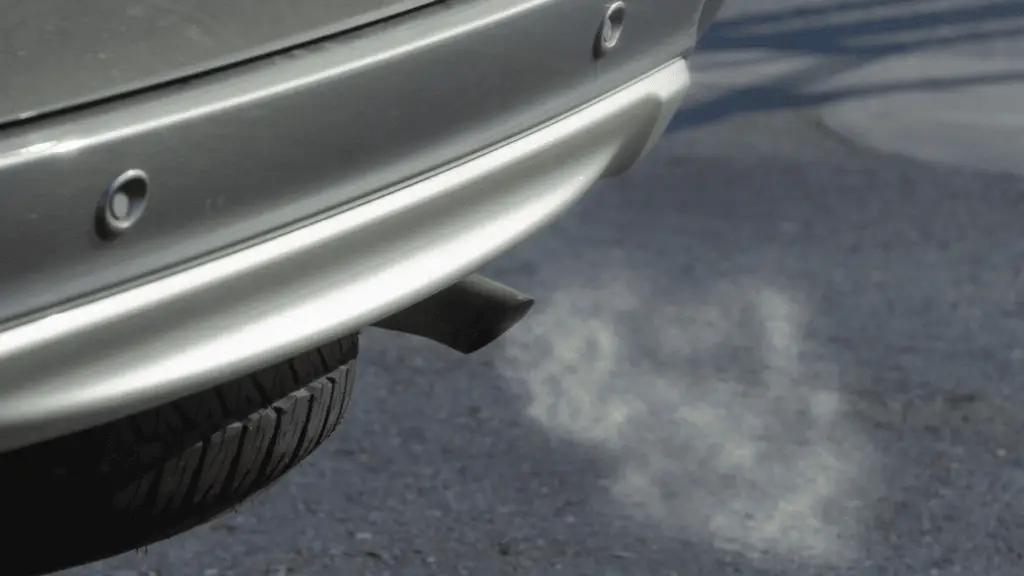
In 2025, it will be impossible for a fleet manager to ignore the escalating regulations against combustion engines.
The Loi d'Orientation des Mobilités (LOM) is already a reality: the companies and public authorities with more than 100 vehicles must ensure that 40 % of renewals are low-emission models since last yearwith the target rising to 70 % by 2030.
It's not just a formality: every year, the level of greening must be reported via a national platform and any failure to comply may result in heavy incentive taxesor 2,000 per vehicle missing the target in 2025until 5,000 in 2027.
But the pressure doesn't stop there. From 1 January 2024the European directive CSRD (Corporate Sustainability Reporting Directive) requires large companies to carry out an annual rigorous extra-financial reporting on their environmental, social and governance impact. Fleet managers must provide figures on the emissions of their vehicles (scopes 1 and 2, or even 3), detail their energy transition strategyand demonstrate how they optimise the proportion of electric vehicles to reduce their carbon footprint.
💡Did you know ? 78 % of professional buyers now prefer suppliers committed to decarbonising their supply chain (source: Kantar, 2024.
Finally, the symbolic deadline of end of new combustion engine car sales by 2035The European Union is already shaping the market and fleet renewal strategy. Some countries, such as Norway, are even banning new combustion-powered vehicles from 2025, heralding a the gradual but inevitable disappearance of these engines across the whole of Europe. What's more, it's important to stress that the The transport sector is responsible for 29 % of CO₂ emissions. in France as a whole and 40,000 premature deaths due to air pollution.
Growing expectations in terms of CSR and brand image
Nowadays, incorporating CSR into fleet management is no longer a marketing ploy, it's a way of life. a necessity for all ETIs and large companies. This change of direction has a major impact on the brand's image: 77 % of consumers say they have more confidence in companies taking concrete action to promote the ecological transition. In the automotive sector, this is a major lever: the fleets still account for 20 % of total CO₂ emissions in France. So any greening initiative has a direct impact on the company's environmental footprint... and on its reputation.
As a result, the communication around CSR objectives becomes centralmore and morepublic or private tenders are incorporating clean mobility criteria, while the publication of a sustainability report is now being extended to SMEs under the impetus of the CSRD directive.
Electric vs internal combustion: a strategic comparison for fleets
Acquisition and ownership costs: a multi-layered truth
Electricity: an investment with a gradual but guaranteed return
Choosing between internal combustion and electric vehicles in 2025 is above all a question of figures and strategic foresight.
In fact, it would be too simple to stop at the acquisition cost: if electric cars still have a purchase price around 15 to 20 % higher on average than its thermal equivalentthese These differences are immediately mitigated by the advantageous tax treatment of electric vehicles. (TVS exemptions, fringe benefits, energy saving certificates, non-deductible depreciation...).
To give you a concrete example, a Peugeot e-208 costs €35,000compared with €25,000 for a petrol version.
But the real issue is TCO. That's where electricity widens the gap. Initially, the maintenance costs for an EV are 30 to 50 % lower and these figures are expressed by an absence:
drain,
particle filters
and clutch (brake wear halved).
On the recharging side, it is also important to note thata kWh costs on average 2 to 3 times less than the equivalent in fuelThis will enable fleets to reduce their energy costs by up to 60%. In fact, the The "energy" item represents only 11% of the TCO of an electric vehicle.compared with 47 % for combustion engines.
Finally, the switch to electric power reveals its full profitability after 3 to 5 years for most fleetsdepending on annual mileage and recharging policy. The larger the fleet, the more the savings add up and tip the balance: so it's no exaggeration to say that electric vehicles, despite a higher initial cost of entry, are becoming a more attractive option. a strategic lever for operational and budgetary performance as soon as we adopt a medium-to-long-term vision.
💡Did you know ? While the first generations of electric cars suffered from a significant discount, the growing demand for electric vehicles and advances in batteries gradually improve residual valuelimiting financial risk over the long term.
Unfavourable tax treatment for heating systems: an unavoidable budgetary shift
Naturally, the taxation currently weighs heavily on the choice between internal combustion and electric vehicles. This lever, integrated into public policies for ecological transition, transforms the economic equation in depth.
Indeed, the taxation of internal combustion vehicles has become stricter in recent yearsparticularly for the most polluting models. Fleet managers face a number of constraints:
Taxes on the use of vehicles for economic purposes (ex-TVS) : Thermal vehicles are subject to two components of the TVS, one indexed to CO₂ emissions, the other to atmospheric pollutants. Depending on the type and date of registration, this tax can amount to several thousand euros per vehicle per year, quickly putting a strain on the operating budget of a conventional fleet.
New green transition incentive tax (in force since 2024/2025): As explained above, any company with more than 100 light vehicles must now include a quota of low-emission vehicles to avoid overcharging. For fleets that do not meet the threshold (20% in 2024, with a gradual increase to 70% in the coming years), a penalty will apply, calculated on the basis of the number of vehicles missing and the renewal rate.
Very low tax depreciation ceiling For an internal combustion model, only the first tranches of investment are deductible (capped at €9,900 for the most polluting models), limiting the company's ability to optimise its taxable income and cash flow.
Ecological Malus : This tax has become formidable for internal combustion vehicles, heavily targeting those with high CO₂ emissions: in 2025, the trigger threshold has been lowered to 113g of CO₂/km and the maximum ceiling has risen from €60,000 to €70,000 for emissions exceeding 193 g/km, an increase of 16.7% compared with 2024.
Weight penalty : The way it works is simple: the heavier a vehicle is, the more it is taxed, according to a tariff scale that starts at 1,600 kg and increases progressively. Electric cars are fully exempt in 2025, but will be affected from 1ᵉʳ July 2026, with an abatement of 600 kg.
Autonomyrecharging and operational management: yesterday's obstacles are today's solutions
The range of electric cars is no longer an issue for business use
Until a few years ago, the range of electric vehicles was considered the most important factor. the main obstacle to their integration into professional fleets. Today, the landscape has changed radically: for more 90% for everyday useAs explained in the preamble, the question of autonomy is now a false problem and belongs solely to the brakes.
💡Did you know ? According to a recent Enedis survey, electric vehicles in the fleet cover an average of 69 km a day.
Indeed, the great the majority of business trips do not exceed 100 km per dayThese include delivery rounds, customer visits and inter-site travel. However, today's electric vehicles have a very low fuel consumption. real range of between 300 km and 600 km depending on the segment and use. This more than covers day-to-day needs, even for companies with a high level of activity.
La Tesla Model Y Long Rangewhich has a strong presence in fleets, offers up to 622 km WLTP rangemaking a week's urban travel without recharging plausible.
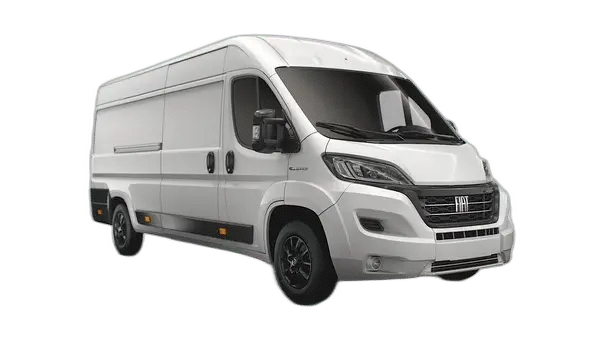
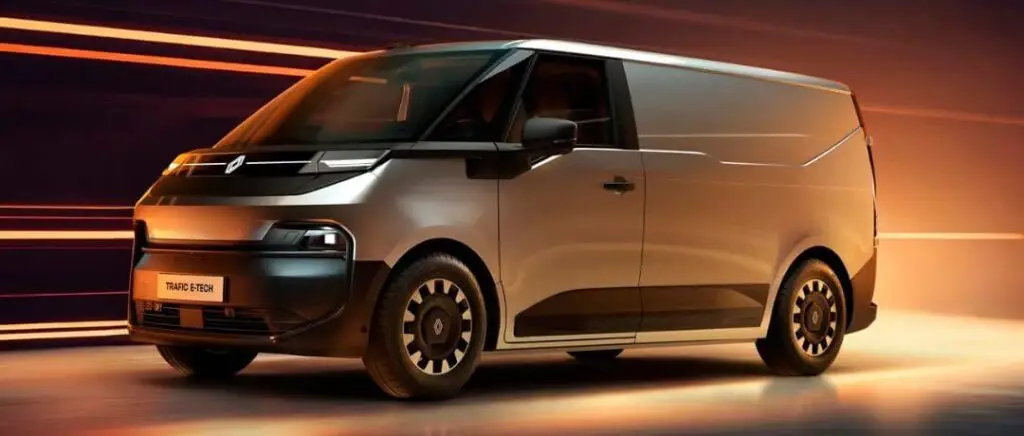
Theelectric vans, as the Fiat E-Ducatooffer 383 km in WLTP cycleSo you can make several delivery rounds without any hassle.
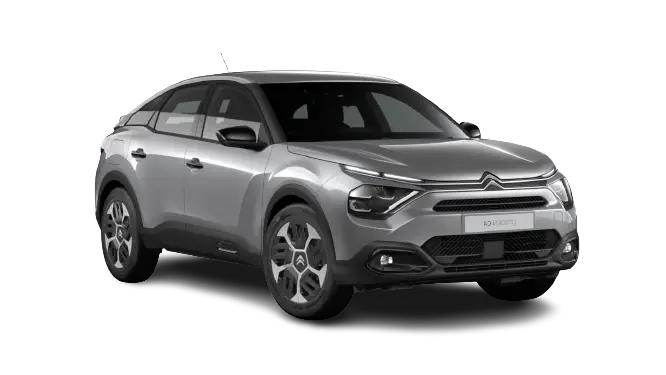
From many other modelssuch as Citroën ë-C3the Renault 5 E-Techor the Hyundai Konaare showing capacity well in excess of average business requirements (120km/day maximum for 90% of the companies surveyed).
Recharging, a well-controlled logistical challenge
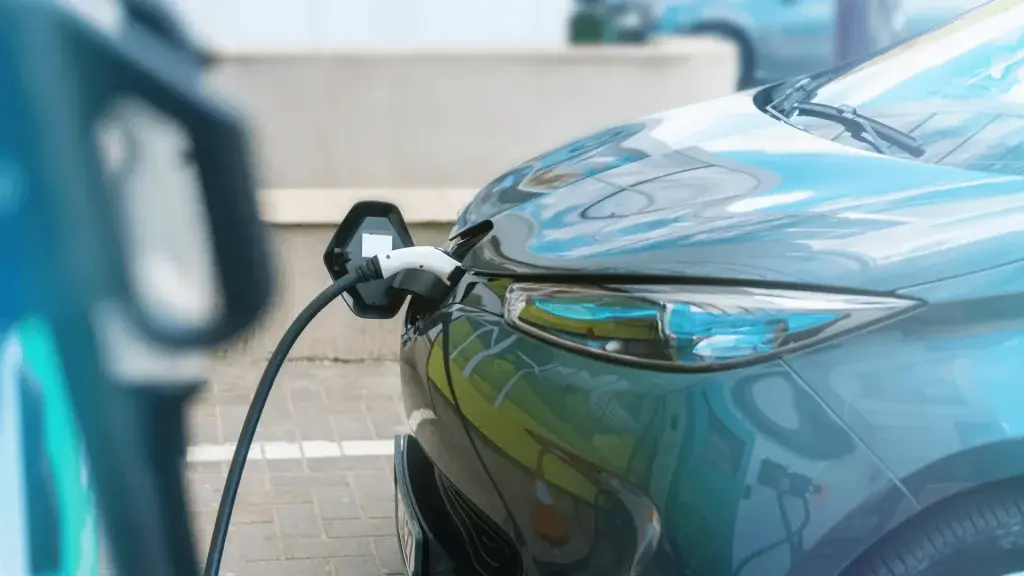
June 2025, theFrance had nearly 170,000 public charging pointsThese are in addition to those installed in companies and employees' homes: the so recharging is no longer a barrier to access.but a flexible and resilient steering asset. The law reinforces this trend by requiring car parks to be progressively equipped with and by providing financial support for the installation of charging points in certain types of business via the Advenir programme.
As a result, the infrastructure development andcompany charging pointsis necessary to secure and optimise the use of the electric fleet.
Note that it is possible to use some of the charging points available at Beev d'real-time monitoring of the state of charge of each vehicle ororganise a smooth rotation of the fleet using specialised software, in particular the Fleet Manager Beev.
On the other hand, you can possible to install charging points at your employees' premises so that they can recharge their vehicles directly at home using high-performance, connected wall-mounted bollardswhose consumption is passed on to the company to simplify the management of mileage allowances and ensure accounting compliance.
How can you make a successful transition to electric vehicles? Good practice
Key stages in a successful greening strategy
Adopting an efficient electric fleet is not something that can be improvised: every step counts to ensure the success of greening. So here are the essentials for a B2B fleet manager.
Fleet audit, TCO analysis, transition plan
Initially, thefleet audit is the foundation of any transition. It must cover :
La precise mapping of the park (number of vehicles, engines, ages, usage, mileage, actual emissions, direct and hidden costs).
LThe identification of vehicles to be replaced as a priority (high emissions, age, high maintenance frequency).
L'analysis of travel habits The range of possibilities: average daily distance, peaks in activity, need for autonomy, possibilities for pooling or car-sharing.
The feedback from drivers and the HR dimension.
A well-conducted 360° audit results in a clear diagnosis of strengths, weaknesses and areas for optimisation. In other words, it serves as a basis for transition scenarios, the definition of quantified targets and the choice of suitable vehicles.
Secondly, as stated many times in this article, TCO is the fleet manager's best ally when it comes to objectifying the profitability of an electricity transitionbecause it integrates :
Le purchase or rental priceThis item is depreciated over its useful life.
The usage costs:
taxes,
taxation,
energy,
maintenance,
insurance,
public aid.
The hidden costs :
charging points,
administrative management,
parking charges,
downtime,
La residual value at the end of the contract.
Finally, once the audit and TCO analysis have been carried out, it is a matter of :
Setting progressive objectives (greening quotas, realistic timescales, appropriate energy mix).
Mobilising partnerssuppliers, rechargers and specialist consultancies.
Planning the installation of charging infrastructureThe size of the terminal must reflect actual usage, the availability of vehicles and the rotation policy; for example, there should be a target of 1 terminal for every 3 to 4 vehicles, which can be adjusted according to operating rhythms.
Organising eco-driving training for teamsand energy management awareness.
Regular monitoringAutomated reporting, analysis of KPIs (utilisation rate, availability, cost per km, charging rate on site/home/public network) to continuously adjust the strategy and maximise the profitability of greening.
The first key success factor is to communicate transparently on the ambitions and expected benefits of the switch to electric power. It is essential to present this development not only as a sustainable investment for the company, but also as an opportunity to improve the quality of its services. concrete way of reducing our collective environmental footprintwhile modernising working conditions.
The emphasis must be on education:
dispel preconceived ideas,
explain the choices made and their impact,
and emphasise the individual and collective benefits.
According to feedback from companies committed to electrification, getting employees on board makes it possible to achieve good results. better operational and financial results.
→ Day-to-day training and support
Driver training remains a the key to successful change. In addition to simply getting to grips with the new vehicles, offering eco-driving modules and the intelligent recharge management allows you to :
reduce wear and tear on the equipment,
reduce energy consumption,
and reassure teams about new technologies.
For example companies involved have seen savings of up to 15 % on recharging costs thanks to training in electric eco-driving.. Better trained employees also reduce the risk of accidents and reassure HR departments about the overall management of the fleet.
→ Communicating and promoting success
Support for change is most effective when the manager regularly leads the process:
interim reports,
information campaigns,
sharing feedback,
newsletters on best practice,
and the progress made by the teams.
That's right, highlight the results in figures (reduced CO₂ emissions, lower energy costs, improved fleet availability) is a key factor in the success of the fleet. a powerful motivational lever and helps to establish a culture of electric mobility within the company.
Finally, it is important to involve all the internal stakeholders: management, site managers, HR, and even staff representatives, in order to constantly adapt the tools and messages of the approach.
→ Encouraging listening and dialogue
Naturally, thesupport must not be one-sidedbut participative. Taking into account the feedback and obstacles expressed by end-users, adapting systems, organising practical workshops or question-and-answer sessions, all bear witness to an approach that is both innovative and participatory. human deployment management.
💡Did you know ? According to the Observatoire du Véhicule d'Entreprise, 74 % of managers who used active listening during the transition reported increased team satisfaction over time.
The importance of surrounding yourself with electric mobility experts like Beev
Beev is now recognised as theone of the most comprehensive and transparent players in the sector100 independent % with a focus on personalised support, we offer fleet managers a comprehensive range of services. unique combination of tools and expert advice to make every stage of the greening process more reliable, from vehicle selection to financial optimisation.
The switch from internal combustion to electric vehicles may seem complex, given the diversity of models, the challenges of recharging, regulatory changes, taxation, logistics planning, etc. The Beev experts are committed to working with you, free of charge and without biasBeev will help you to transform this process into a simple and secure project. At the same time, Beev provides you with a number of tools and resources.
Electric vehicle comparator
Thanks to its comparator reference, Beev lets you compare over 40 brands based on objective criteria:
TCO,
power,
equipment,
real autonomy,
acquisition cost,
applicable tax,
but also available grants and bonuses.
It's easy to identify the vehicle that's best suited to your business needs, whether it's an electric van, a light commercial vehicle or a light commercial vehicle. electric city car or a large volume of vehicles for a national fleet. Prices are already negotiated thanks to Beev's network of partners, guaranteeing strong competitiveness for the company.
To take customisation one step further, Beev offers a dedicated configurator Tesla. Specially designed for demanding managers, it allows you to modulate each characteristic (engine, range, colour, connected options, financing) andget immediate terms and conditions for long-term leasing or leasing for business fleets.
This service includes support from a dedicated expert.
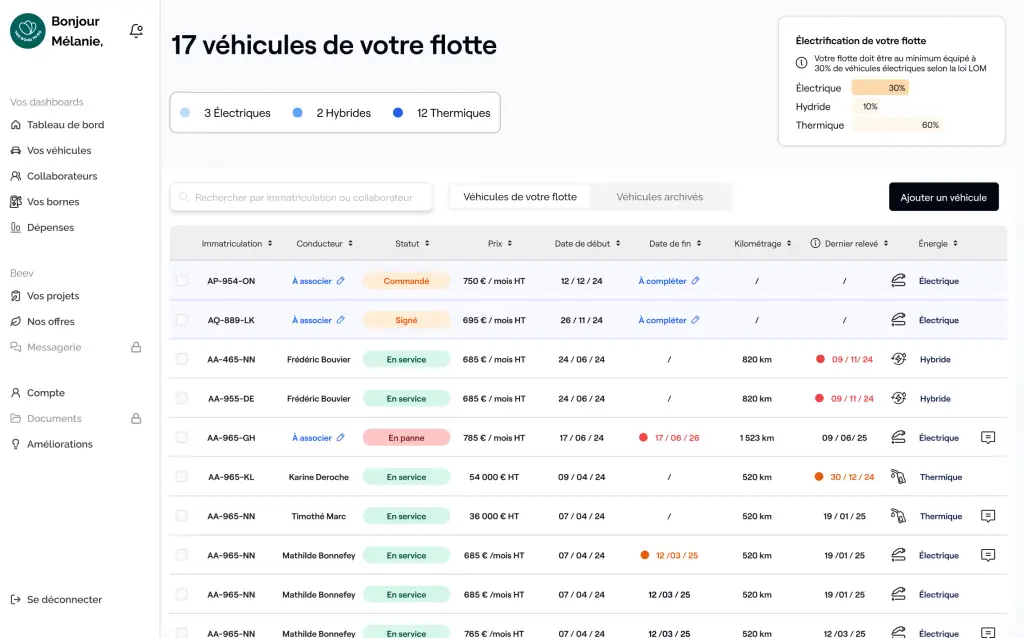
Sound intuitive dashboard gives a complete visibility of TCO and environmental impact, and supports the implementation of your CSR objectives throughout the fleet's lifecycle.
In other words, the Fleet Manager aims to replace Excel tools and rationalise multi-site management for SMEs and large groups alike.
Calculate your TCO
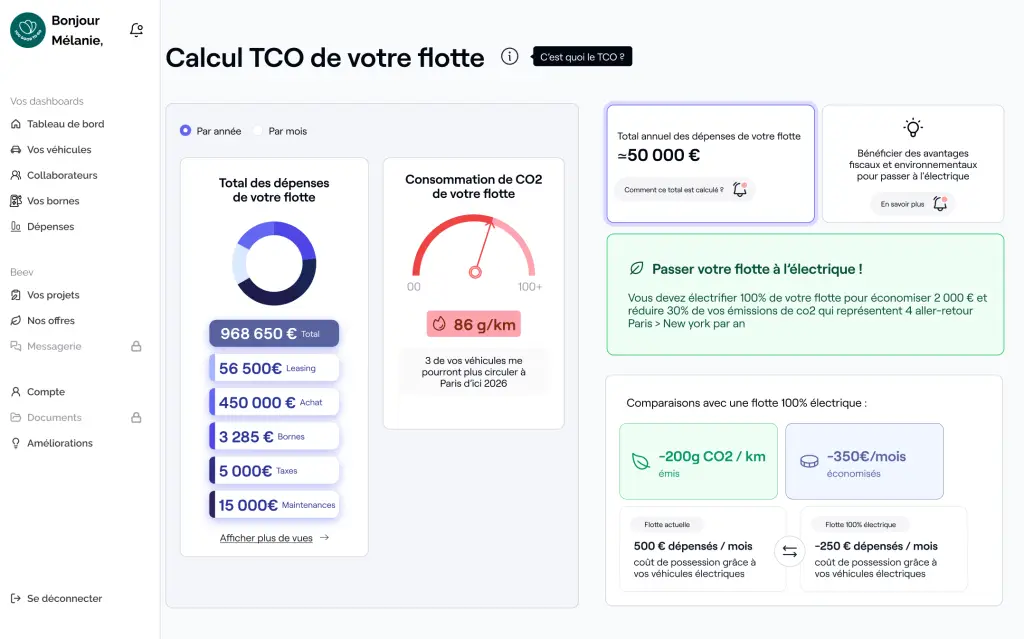
Beev also provides an advanced simulator that allows you to calculate the total cost of ownership of each solution :
This calculator gives a a clear, quantified view of the benefits (or additional costs) to be expected from the switch to electric power compared with internal combustion, a major decision-making tool for internal arguments.
Beyond the tools, Beev insists on human support at every stageThese include free advice, personalised audits, customised training, post-delivery monitoring and assistance with the installation of charging points.
Conclusion
As you will have realised, the battle between electric and internal combustion vehicles is no longer a straightforward one: in the face of growing regulatory constraints and a tax system that is increasingly unfavourable to internal combustion engines, electric vehicles are becoming the preferred choice.The electric vehicle is emerging as the key strategic response for fleet managers..
But making the transition to electric power requires more than just choosing an engine. appropriate strategya recharging infrastructure reliablea optimal operational management... and solid tools to anticipate every stage.
Surrounding yourself with experts like Beev means transforming the electricity transition into a concrete opportunity for your companyThis means less risk, better financial and operational visibility, and the guarantee of being ahead of your CSR commitments, while simplifying day-to-day operations.
You would like toto electric?
Beev offers multi-brand 100% electric vehicles at the best prices, as well as recharging solutions.