







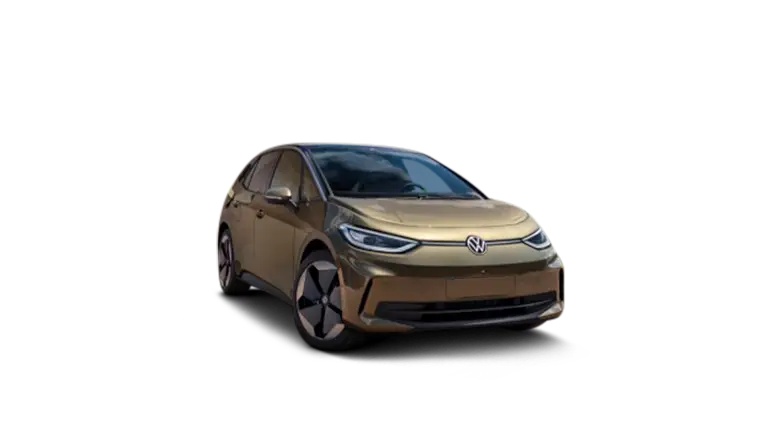









Our selection of the top 10 company cars in 2025
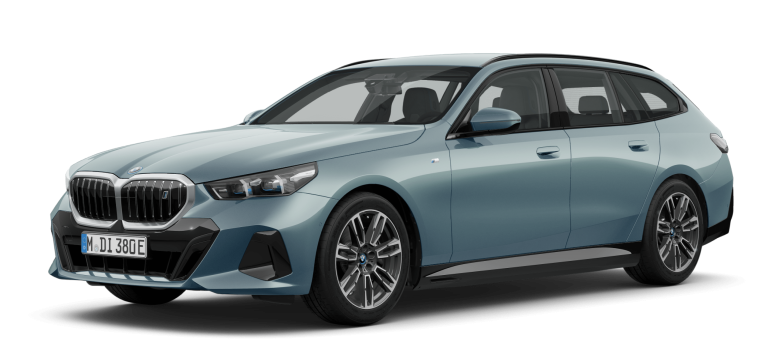
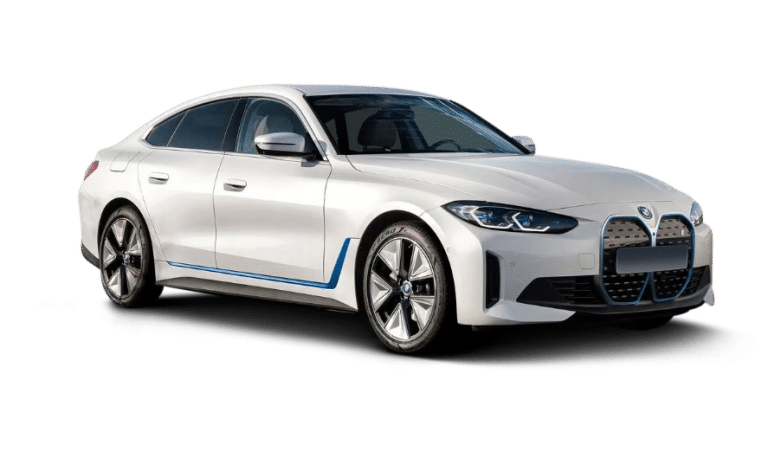
BMW i4 eDrive 40
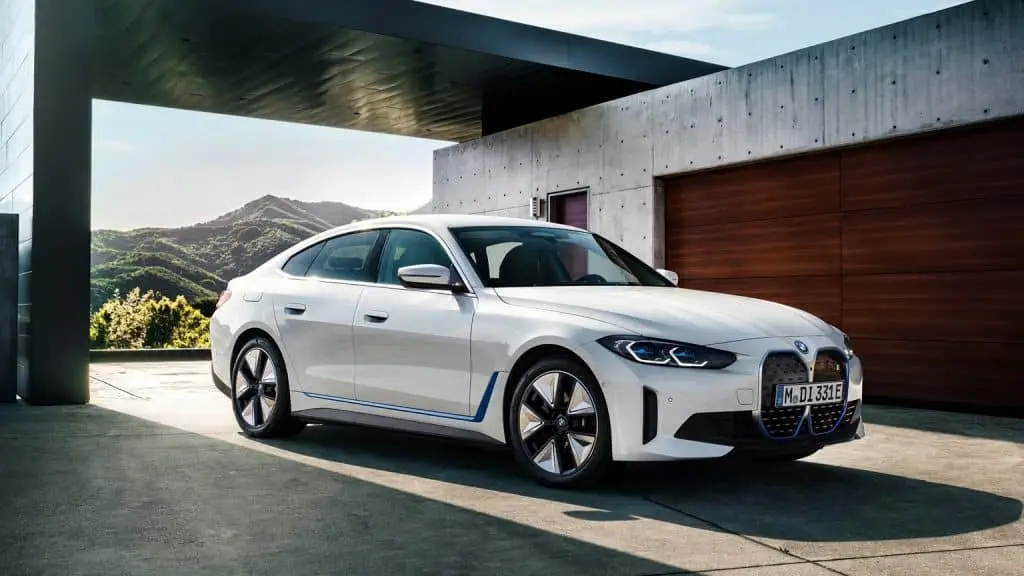
La BMW i4 eDrive 40 is the preferred choice for companies looking to expand their fleet of top-of-the-range company cars. This premium electric saloon combines elegance, comfort and performance, with a autonomy remarkable range of up to 612 km WLTP. Its moderate fuel consumption (16.0kWh/100km) helps to optimise running costs, while allowing managers and executives to increase the number of appointments without fear of running out of energy. Its very fast recharging (27 minutes from 10 to 80% on a DC terminal) helps to keep business agendas flowing smoothly.
Available from €63,950, or for €665 per month on a 49-month lease with no deposit, the i4 offers a distinctive image and meets the needs of the most demanding employees.
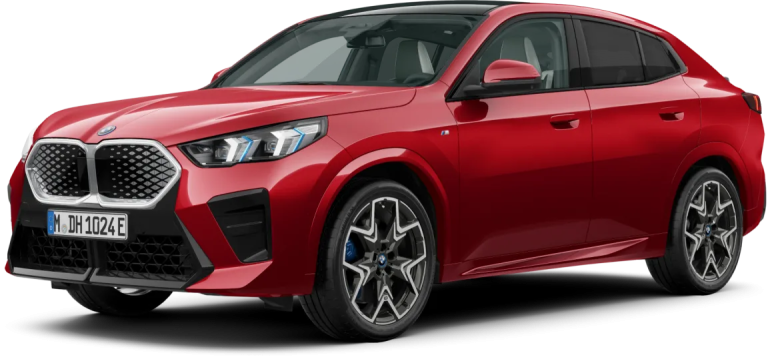
BMW iX2
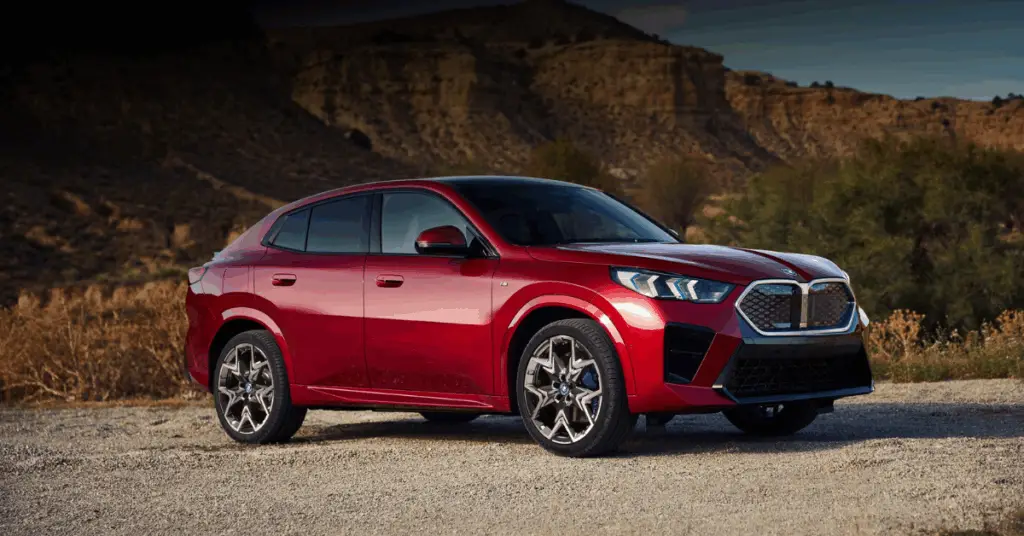
Le BMW iX2 is a flexible asset for company fleets, thanks to its compact SUV format. The 478 km range also provides real freedom of movement for recurring or regional journeys, while the fast recharge (20 to 80% in 29min) reduces vehicle downtime, improving staff productivity.
With a list price of €46,900 and a leasing offer of €453/month, it's a strategic choice, particularly for companies looking to modernise their image with an elegant, high-performance SUV that's packed with features.
BMW iX1
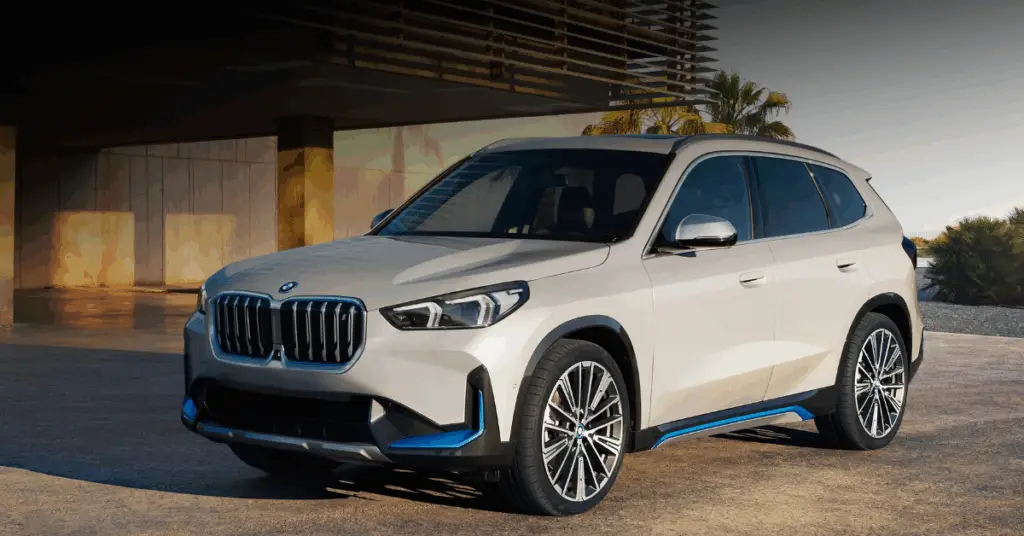
Le BMW iX1This more affordable SUV is ideal for deploying reliable, well-equipped company vehicles to sales and technical teams. This SUV offers 438km of range (WLTP), with controlled fuel consumption of 17.3kWh/100km, and boasts a generous interior space suited to daily business travel.
The dual recharging option (29 min on fast terminal7h on a home terminal) reduces the logistical burden on the user. Priced at €44,900 or €483/month on a leased basis, the iX1 maximises value for money without sacrificing fleet standing.
Hyundai Inster
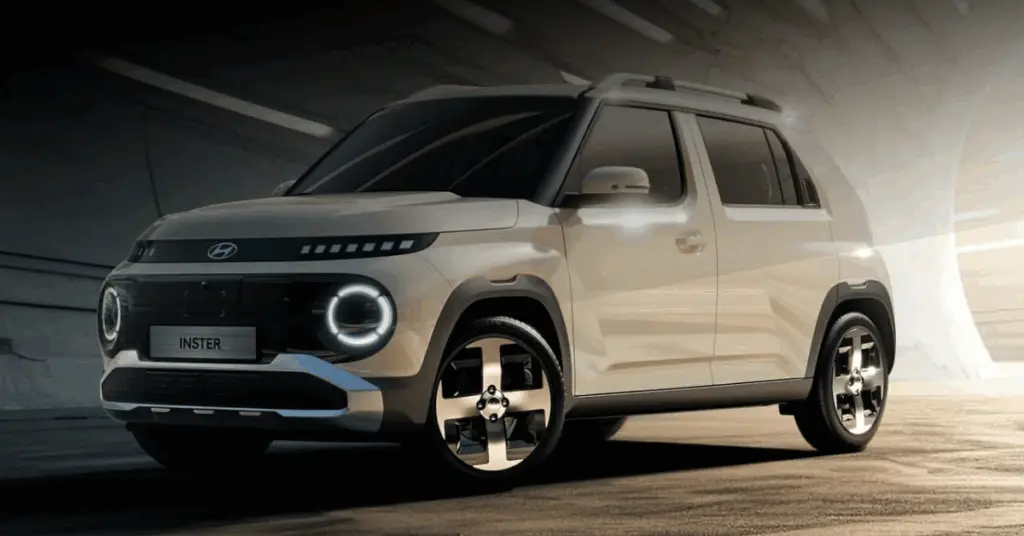
La Hyundai Inster is particularly aimed at fleets focused on urban mobility and eco-responsibility. This city SUV is ideal for city-centre assignments thanks to its manageable size, low fuel consumption (14.3 kWh/100km) and 370 km range, enough for a large proportion of daily business trips.
Priced at €25,000, and available for €298/month on a no-interest leasing basis, this model enables fleet managers to equip a large number of staff/agents at lower cost, while at the same time controlling the environmental impact.carbon footprint and vehicle taxation.
Hyundai Kona EV

Le Hyundai Kona EV stands out for its efficiency and overall balance, qualities sought after in company car fleets. With a WLTP range of 484km and fuel consumption down to 14.7kWh/100km, it's just as suited to regional tours as it is to daily journeys, especially as it recharges very quickly (156km recovered in 20 minutes from a rapid charging point).
Available from €39,900, or on a leasing basis at €390/month, the Kona EV ensures that TCO (total cost of ownership) is kept under control, while promoting the company's CSR commitments.
Hyundai Ioniq 5
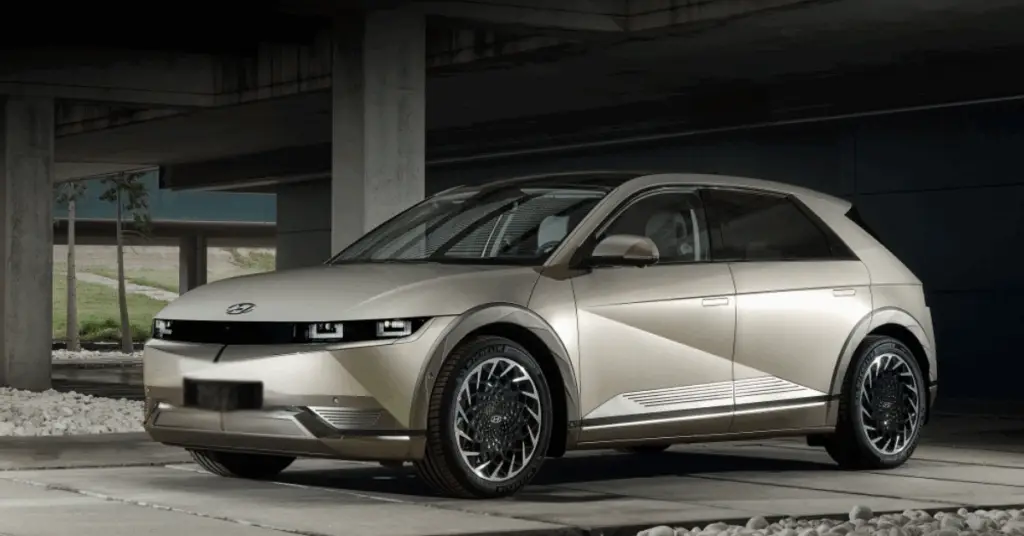
La Hyundai Ioniq 5 is perfect for jobs that require a lot of mobility, or for employees who have to make long journeys. This innovative SUV combines 500 km of range, ultra-fast recharging (0-80% in 18 minutes), plenty of space on board and top-of-the-range equipment to maximise user comfort and efficiency.
Available at €52,800, or on a leased basis at €491 per month for 49 months with no deposit, it gives your business a showcase vehicle that looks to the future without tying up too much capital, thereby boosting cash flow.
Skoda Elroq
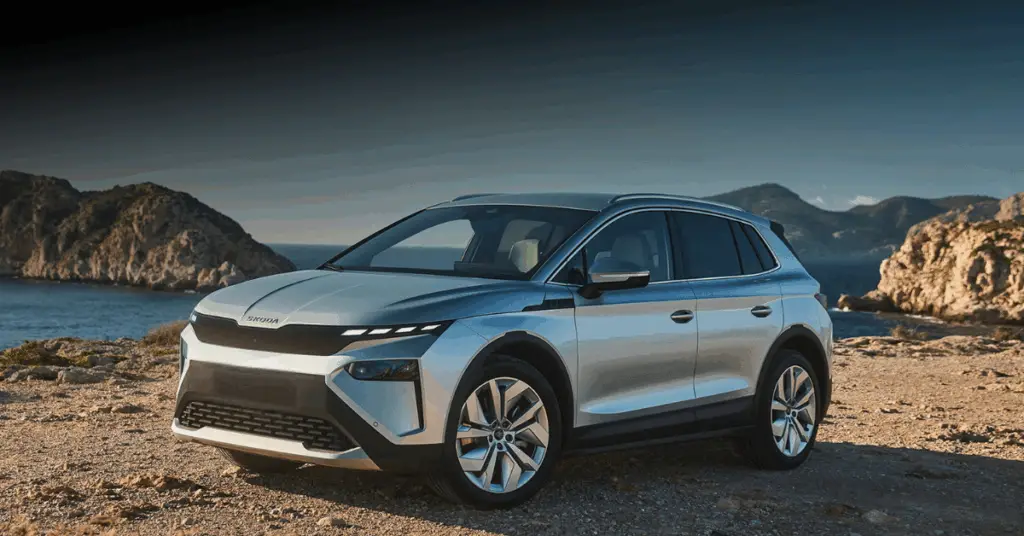
La Skoda Elroq is a compact 100% electric SUV designed for professional fleets looking for a versatile, robust and economical vehicle. With a WLTP range of 395 km and an average fuel consumption of 18.2 kWh/100 km, it offers a reliable solution for urban and suburban journeys. Fast charging recovers 10 to 80% of energy in around 30 minutes, while a full charge on an AC charger takes around 8 hours.
Priced from €38,900, leasing at €424/month makes it easy to integrate into company fleets without adding to budgets.
Skoda Enyaq
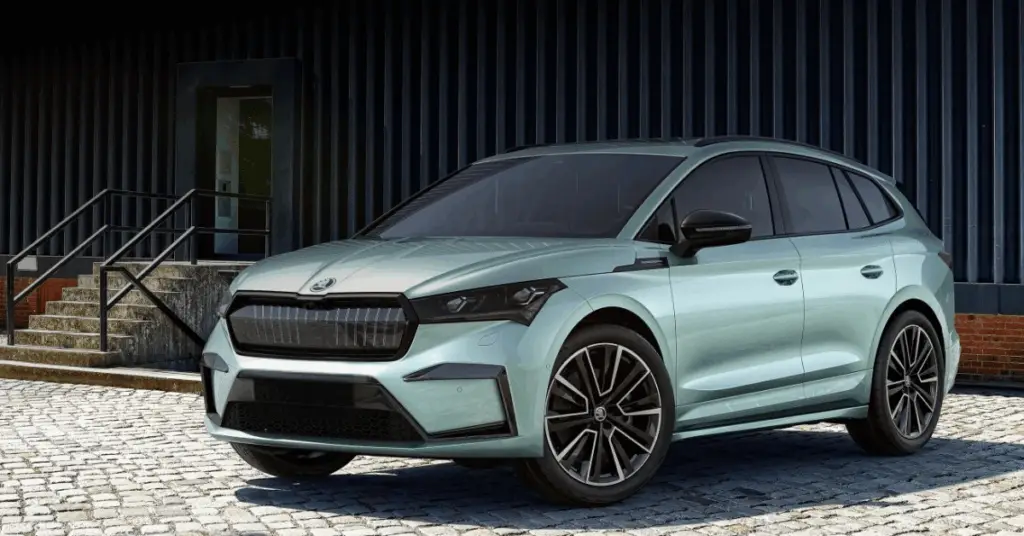
Le Skoda Enyaq is aimed at corporate fleets that want a larger, more powerful electric SUV for long business trips. It has a range of up to 510 km WLTP, with an average fuel consumption of 17.5 kWh/100 km, offering good energy performance for its segment.
Fast charging from 10 to 80% takes around 30 minutes, and full charging at an AC terminal takes around 8 hours. Available from €49,500, it can be leased for €494/month, making it easier to manage budgets while offering employees comfort and technology.
Xpeng G6 Long Range
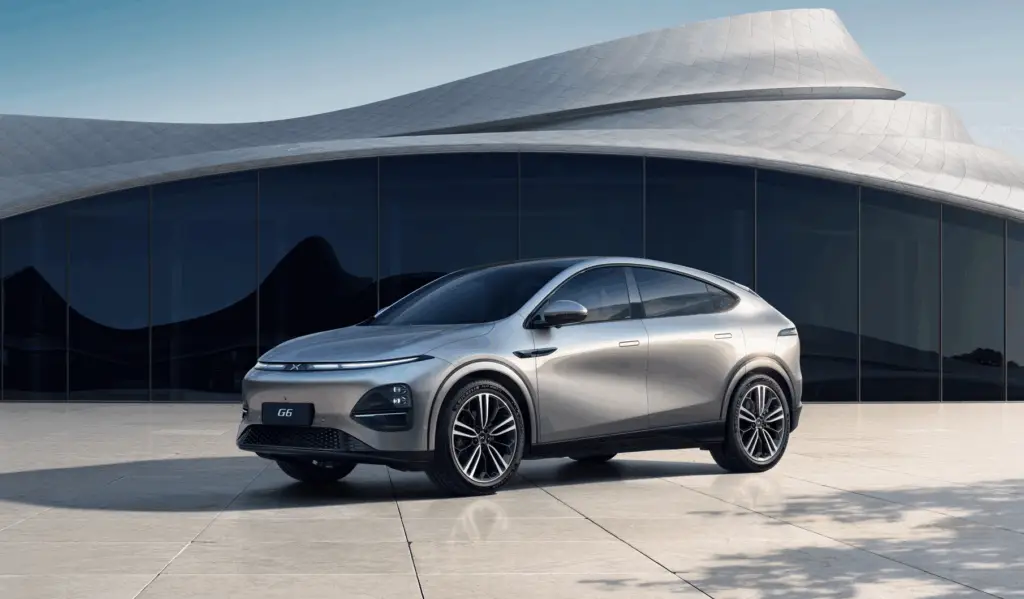
Le Xpeng G6 Long Range is an attractive option for companies looking to diversify their fleet with a high-performance electric SUV from China, renowned for its value for money.
It has a WLTP range of 520 km and an average fuel consumption of 16.8 kWh/100 km. Fast charging restores 10 to 80% of charge in 30 minutes, and full charging at an AC station takes around 6.5 hours. With a list price of around €45,000 and leasing at €535/month, it offers a competitive alternative on the European market with advanced technological features.
Polestar 4
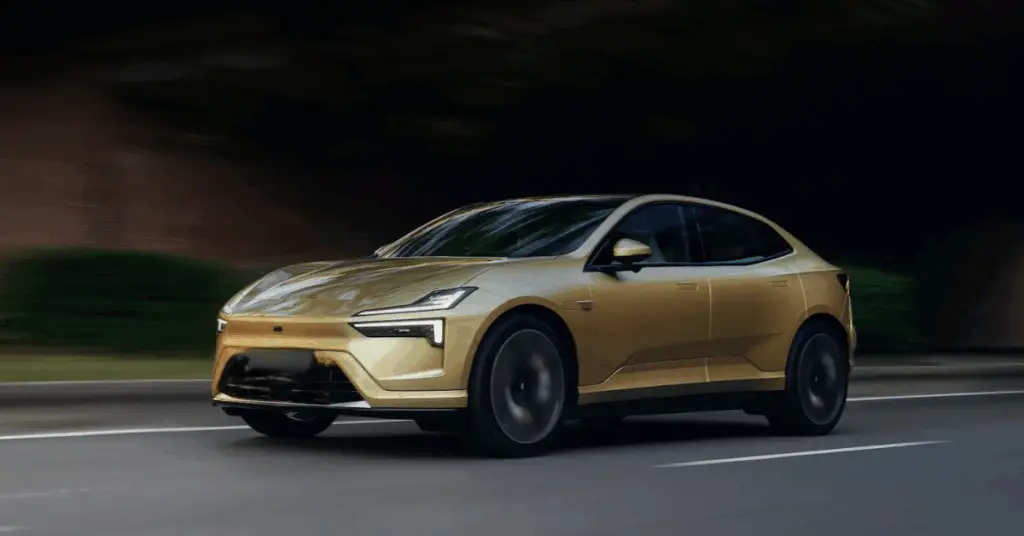
Polestar 4 is positioned as a top-of-the-range electric SUV coupé, combining design, performance and range. With a WLTP range of 540 km and an average fuel consumption of around 18.0 kWh/100 km, it is aimed at companies that want to offer their management or staff a highly rewarding vehicle.
Fast charging in 30 minutes from 10 to 80% and full charging at an AC station in around 7.5 hours ensure excellent flexibility of use. Priced from €65,000, with a leasing option costing €728/month, it marks a real step up in the range for fleets looking for image and innovation.
Summary table of the top 10 company cars in 2025
| Vehicle | WLTP range (km) | Consumption (kWh/100km) | DC recharge time (10-80%) | Catalogue price (€) | Leasing price (€/month) |
|---|---|---|---|---|---|
| BMW i4 eDrive 40 | 612 | 16.0 | 27 min | 63 950 | 665 |
| BMW iX2 | 478 | 16.3 | 29 min | 46 900 | 453 |
| BMW iX1 | 438 | 17.3 | 29 min | 44 900 | 483 |
| Hyundai Inster | 370 | 14.3 | 30 minutes | 25 000 | 298 |
| Hyundai Kona EV | 484 | 14.7 | 20 min (156 km recovered) | 39 900 | 390 |
| Hyundai Ioniq 5 | 500 | 15.6 | 18 min (0-80%) | 52 800 | 491 |
| Skoda Elroq | 395 | 18.2 | 30 min (10-80%) | 38 900 | 424 |
| Skoda Enyaq | 510 | 17.5 | 30 min (10-80%) | 49 500 | 494 |
| Xpeng G6 Long Range | 520 | 16.8 | 30 min (10-80%) | 45 000 | 535 |
| Polestar 4 | 540 | 18.0 | 30 min (10-80%) | 65 000 | 728 |
What will a company car really cost in 2025?
The real cost of a company car in 2025 goes well beyond the simple list price or monthly leasing amount. It encompasses all running costs: insurance, maintenance and repairs, tyres, specific taxation (TVS), electric or fuel recharging, and sometimes administrative management. Electric vehicles tend to reduce fuel and maintenance costs thanks to their simplified mechanics, but may involve additional costs for recharging solutions or vehicle hire. battery.
It is essential to analyse the total cost of ownership (TCO) over the lease or depreciation period: this depends on the model, annual mileage, financing method and level of services included.
How should benefits in kind be calculated in 2025?
L'benefit in kind related to a company car corresponds to the valuation of the private use granted to an employee. In 2025, the calculation can be made in two ways: either on the basis of expenses actually incurred (rental, insurance, maintenance, fuel), or via an annual lump sum set by the employer according to the value of the vehicle (often a percentage of the purchase price or rental cost).
For electric vehicles, the tax authorities sometimes propose specific allowances or rules, such as a reduction in the flat-rate charge or partial exclusion of the cost of recharging within the company. This valuation is used to calculate the employee's social security contributions and income tax.
How are company cars taxed?
La taxation of company cars in 2025 is based primarily on the Company Vehicle Tax (TVS), which is calculated according to CO₂ emissions and sometimes the type of energy used. Electric vehicles benefit from total or partial exemptions, making their acquisition very advantageous from a tax point of view. Companies must also declare the benefit in kind to the employee, which is subject to social security charges and tax.
Other taxes (such as VAT on lease payments, which is sometimes non-recoverable for certain hybrid/thermal models) and incentives (environmental bonuses, local exemptions) can have an impact on overall costs and influence fleet choices. It is important to take these factors into account in order to optimise the fleet from a tax point of view and limit indirect costs.
Conclusion
In conclusion, choosing the right company car in 2025 means striking a balance between performance, range, comfort and overall cost. The models presented here offer a wide range of options to meet the diverse needs of employees, while enabling companies to keep their mobility budgets under control.
Efficient fleet management, supported by dedicated tools, makes it easier to monitor and optimise vehicles on a day-to-day basis. By adopting these solutions, companies are better equipped to meet the current and future challenges of professional mobility. If you are interested or would like support in this process, Beev is here to help you make the transition.