


















Why the operating costs of an electric fleet rise in winter
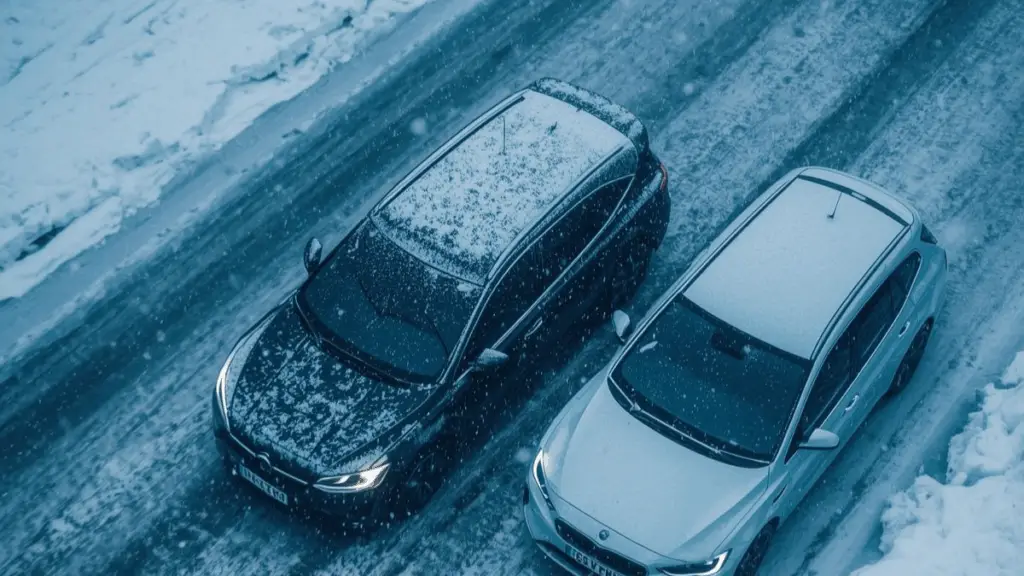
Before looking to optimise, it's essential to understand why winter affects the energy consumption of electric vehicles. The cold season not only puts batteries to the test; it also affects driving habits, the way recharging is organised and the overall performance of vehicles used in conditions that are often more demanding.
Winter has an impact on battery due to the physico-chemical characteristics of lithium-ion. At low temperatures, electrochemical reactions are less efficient, which temporarily reduces the battery's usable capacity. In addition, cabin heating, de-icing systems and thermal management of the battery consume more energy. These factors combined explain why the’autonomy tends to fall on cold days and why companies often see an increase in average consumption per kilometre.
How cold weather affects the fuel consumption and range of electric vehicles
When an electric vehicle operates in a cold environment, two phenomena come together. Firstly, the battery is less efficient, which limits the amount of energy available. Secondly, the passenger compartment has to be heated, which has a significant impact on the energy balance of the journey. Unlike internal combustion engines, electric vehicles have no residual heat to recover, so they have to draw directly from the battery to heat the interior.
This leads to over-consumption, which can be as much as 20 to 30 % depending on the model, route, equipment and outside temperature. In a professional context, this loss of range means more recharging, more downtime and, ultimately, a potential increase in costs if recharging is not properly managed.
Winter and its effects on the duration and cost of top-ups
Another consequence of winter is that batteries recharge more slowly when they are cold. The system must first bring the battery up to optimum temperature before it can begin an efficient charging cycle. This lengthens charging times, particularly on fast charging stations where the power delivered can be automatically limited to preserve the battery.
For a professional fleet, these delays can disrupt the organisation of rounds, increase downtime and lead to more frequent, and therefore potentially more costly, recharging requirements, especially if the company has not optimised its slots and available power.
The direct impact of winter on the TCO of an electric fleet
For a fleet manager, winter means a number of additional costs: a higher energy bill, more rigorous organisation of recharging, a greater risk of using fast charging points and more intensive use of vehicles. All of these factors add up to a higher TCO.
However, these situations are never inevitable. The key is to implement appropriate measures, understand actual usage and anticipate the coldest periods. Proactive management can not only prevent costs from spiralling out of control, but can also help to achieve better overall performance than that seen with combustion-powered fleets in similar winter conditions.
Reducing energy consumption: a key lever for controlling costs
Limiting over-consumption in winter is possible if we combine good practice, technical strategies and driver awareness. Energy consumption is a crucial factor in TCO: the more a vehicle consumes, the more it costs to recharge, the more it ties up a charging point and the more it puts pressure on the existing infrastructure.
The objective for a company is therefore not just to maintain autonomy, but to optimise the overall energy efficiency of the fleet in order to reduce operating costs.
Good driving practices to limit excess winter fuel consumption
The way you drive has a direct impact on fuel consumption, even more so in winter. Smooth, anticipated and regular driving limits the demand for power, conserves the battery and reduces the demand on energy-consuming systems. Using the «Eco» mode in certain situations may be appropriate, as may limiting the heating to what is strictly necessary.
Companies have every interest in making their employees aware of these best practices. The differences between drivers can be very significant, and a simple driving adjustment can reduce the average consumption of an entire fleet by 10 to 15 %.
Preconditioning and battery temperature management: simple actions to save money
Thermal preconditioning of the battery and the passenger compartment is an essential lever. It consists of heating the vehicle and battery while it is still plugged in, thus avoiding having to draw on the battery when setting off. Energy costs are then borne by the grid rather than the battery, preserving range and improving the efficiency of the initial journey.
This simple action has a significant impact on consumption. It also reduces the thermal stress on the battery, which improves its longevity. For a fleet manager, systematic pre-conditioning at shift sites can reduce operating costs without the need for heavy investment.
Raising driver awareness: a cost-effective way of reducing operating costs
Education is an often underestimated lever in cost reduction strategies. When drivers understand the technical mechanisms and the associated economic impacts, they naturally adapt their behaviour. Clear communication, a few training sessions or even personalised feedback based on telemetry data can generate significant savings across a fleet.
Investing in human support is therefore a wise move It improves the energy performance of the fleet, reinforces support for the electric transition and ensures that vehicles are used more efficiently.
Optimising recharging to reduce energy costs in winter
The way in which a company organises the recharging of its vehicles has a direct impact on its costs. Winter amplifies this need, as requirements increase and lead times become longer. A well thought-out recharging strategy can turn a restrictive period into a lever for economic performance.
Schedule recharging at off-peak times to reduce costs
Using off-peak times is a practical way of reducing expenditure. Tariffs are lower, networks are less strained and night-time charging makes it easier to integrate pre-conditioning in the morning.
However, making use of these slots requires precise organisation: you need to know how your vehicles rotate, anticipate the next day's journeys, and coordinate usage to avoid strain on the power available. Companies that structure their recharging cycles can significantly reduce their monthly energy bills.
Intelligent control of recharging power to avoid extra costs
Another important lever is power management. A company can optimise its electricity subscription, avoid power overruns and smooth out energy calls by using intelligent control systems.
Winter heightens these challenges: vehicles require more charging and the risk of overloading the internal network increases. Implementing an energy management system makes it possible to guarantee efficient recharging while preserving the budget and ensuring that vehicles are available at the right time.
Limiting the use of rapid rechargers: a gain for the budget and the battery
Fast recharges are useful for urgent needs, but they are more expensive and put more strain on the batteries. In winter, they can consume even more energy. Recharging too often increases costs and can accelerate battery wear.
For a professional fleet, it is therefore essential to organise missions in such a way as to minimise the use of fast charging stations. By relying on a coherent strategy of slow and accelerated recharging, businesses can secure their TCO while preserving battery capital.
Use the TCO simulator to calculate the total cost of ownership of your car and compare it with its internal combustion equivalent.
Choose vehicles suited to winter conditions to optimise fleet TCO
The choice of models is a fundamental element in the management of an electric fleet. Some vehicles are better adapted to winter conditions thanks to better insulation, advanced thermal management of the battery or the presence of a heat pump. These features help to reduce winter consumption and improve driver comfort, while preserving the energy budget.
Choose models equipped with a heat pump and an intelligent battery management system
The heat pump is one of the most effective ways of reducing heating consumption. It uses less energy than conventional electric heating, which reduces the loss of autonomy on cold days.
Coupled with a high-performance battery management system, it significantly improves the energy efficiency of an electric vehicle in winter.
For a fleet manager, choosing models with this equipment means investing in a solution that performs all year round, even in the most demanding conditions.
Size the battery according to use: avoid unnecessary expenditure
An electric model is not chosen solely for its nominal range. In a professional fleet, the most important thing is to adapt the battery to the actual tasks. Some jobs don't require large batteries, while others need greater margins to cope with winter.
Getting the dimensions right means you don't have to buy oversized, and therefore more expensive, vehicles, while guaranteeing sufficient autonomy, even on the coldest days.
Integrating winter conditions into TCO analyses and calls for tender
Invitations to tender and financial analyses need to take real-world winter performance into account. TCO simulators, manufacturer data and feedback from use in cold conditions are invaluable resources. A company that anticipates these seasonal variations from the outset improves the reliability of its budget forecasts and secures its electricity transition.
Use an effective IRVE strategy to control costs in winter
The electricity transition rests on one essential pillar: the’recharging infrastructure. A well-sized IRVE, intelligently managed and designed for the long term, plays a decisive role in controlling operating costs, particularly in winter.
Monitoring consumption and autonomy using supervision tools
Telemetry and energy monitoring tools make it possible to track actual consumption, understand seasonal variations and identify savings opportunities. They provide invaluable transparency for optimising usage and adjusting recharging strategies.
For a fleet manager, having reliable data is becoming a major asset for improving the fleet's energy performance.
Adjust recharge scenarios according to temperatures and missions
Recharging requirements vary according to missions and climatic conditions. A suitable scenario must take into account the outside temperature, the state of the batteries, the delivery schedule and the distances covered. Winter forces companies to review certain parameters in order to guarantee vehicle availability while reducing costs.
Why expert support can reduce operating costs over the long term
Support from experts like Beev helps companies to structure their IRVE strategy, This support enables organisations to avoid costly mistakes, secure their investments and improve their energy efficiency. This support enables organisations to avoid costly mistakes, secure their investments and improve their energy efficiency.
A high-performance IRVE strategy is not just an asset in winter: it is an essential lever for maintaining a competitive TCO all year round.
Winter and the electric fleet: proactive management to avoid cost increases
Facing up to the challenges of winter, the key lies in anticipation. Companies that adopt proactive management of their electric fleet, combining optimisation of recharging, choice of the right models, driver training and energy management, are the ones that manage to stabilise their costs and secure their business.
Anticipating needs: a method for stabilising the energy budget
Winter is not something you have to put up with. As early as the autumn, targeted measures can be put in place: consumption reviews, adjustment of recharging schedules, team awareness-raising, optimisation of electrical power and adaptation of routes.
The better the planning, the greater the savings.
Build a winter-proof action plan for your electric fleet
An effective action plan includes: controlling consumption, preparing vehicles, adjusting recharging, monitoring performance and supporting drivers. With this type of strategy, winter becomes a period under control, not a source of worry.
Things to remember for companies
- Legal obligations are speeding up the transition to electric vehicles, so planning ahead now will avoid the need to make sudden investments.
- A properly sized and compliant IRVE reduces operating costs, especially in winter.
- The compulsory greening of fleets makes it all the more important to optimise vehicle fuel consumption and range.
- Controlling energy costs not only contributes to financial performance, but also to the ESG reporting required by the CSRD.
- The winning approach combines regulatory compliance, optimised TCO and intelligent charging management.
CONCLUSION
Winter should no longer be seen as an obstacle to the electrification of business fleets. On the contrary, it is an opportunity to identify best practice, optimise energy consumption and boost the overall performance of the fleet.
By combining the right technical choices, energy management, intelligent recharging management and team training, companies can not only avoid rising operating costs, but also improve their TCO over the long term. When properly managed, electric vehicles remain the most economical, reliable and appropriate solution to the challenges of modern business mobility, even in the coldest months.
Manage your fleet easily with our dedicated tool
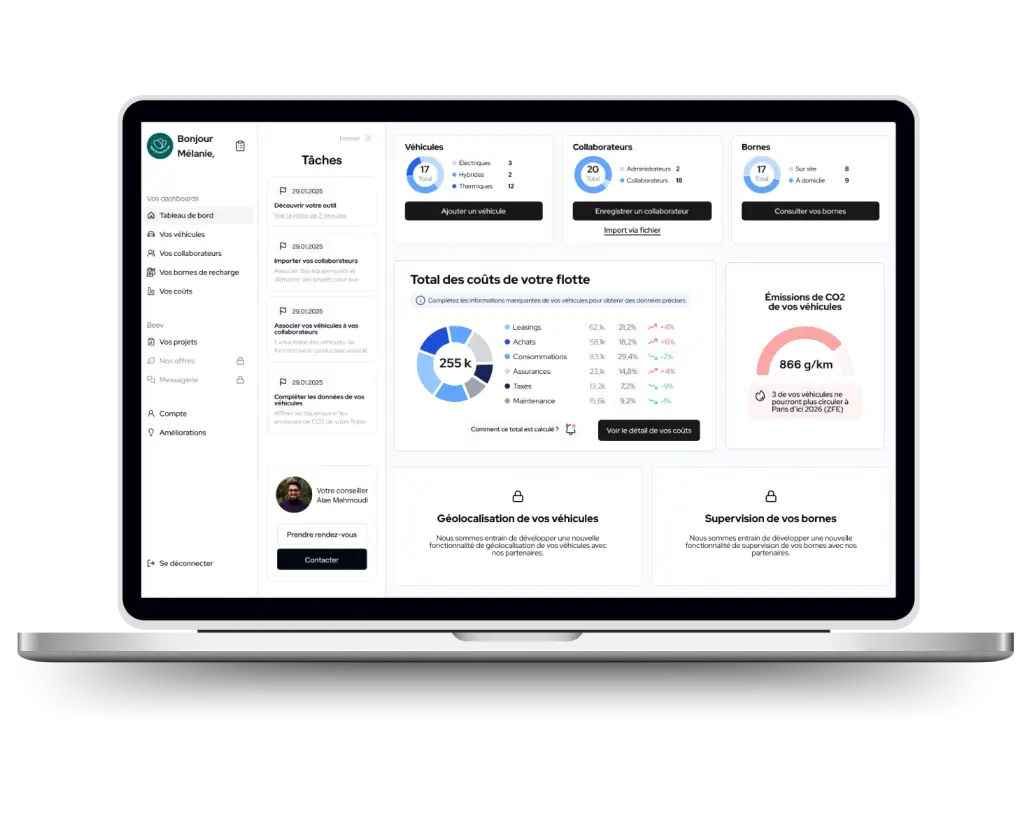
A fleet management tool from A to Z
- Add your fleet and employees in just a few clicks
- Plan your transition to electric vehicles and monitor your CSR objectives in real time
- Centralise your expenses