







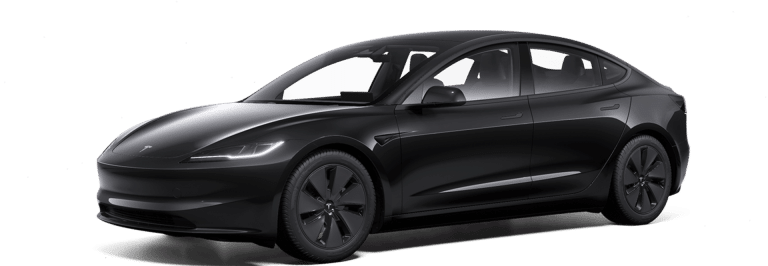










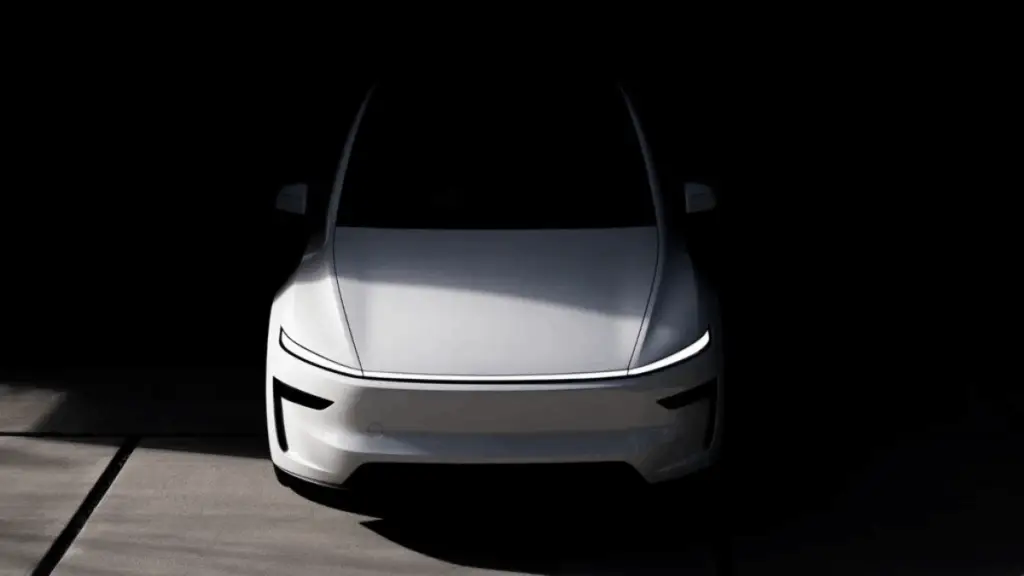
Tesla Model Y and Panasonic: a strategic alliance in the energy sector battery
Tesla and Panasonic are nothing new. Since 2010, the two companies have been collaborating on the research and production of lithium-ion batteries. Panasonic was a key partner in the construction of the Gigafactory in Nevada and remains one of Tesla's strategic suppliers for its electric models.
The latest development is part of a logical trajectory: Panasonic has announced a new generation of more energy-dense cells, enabling more kWh to be stored in the same volume. The result is a cell design known as anode-free, which enables a autonomy without necessarily increasing the size or weight of the batteries.
25 % more density: what does that mean?
When Panasonic mentions an increase of around 25 % in capacity per cell, this means two concrete possibilities for a manufacturer:
1) Increasing autonomy by keeping the size of the current pack (mileage gain).
2) Reduce the volume/weight of the pack while retaining the same autonomy (lower cost and improved TCO).
For Tesla, this represents a double victory:
- Maintaining its technological lead against the competition (Volkswagen, BYD, Hyundai, Mercedes, etc.).
- Meeting the specific needs of professionalswhich demand performance, reliability and economic optimisation.
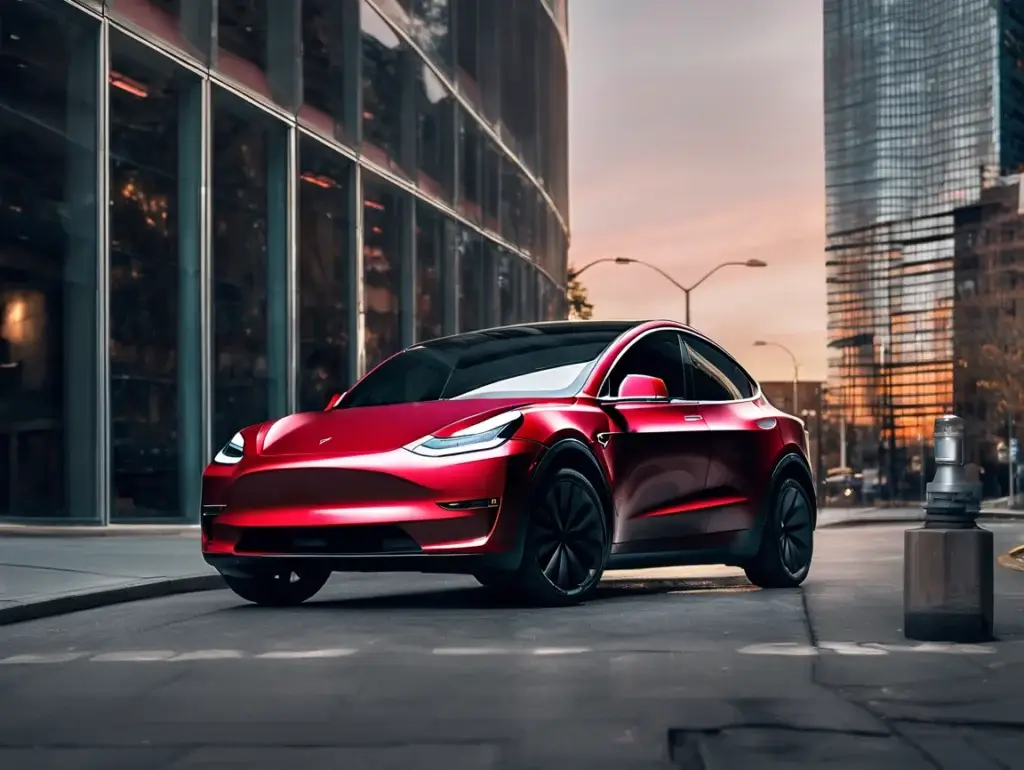
The Model Y, which in 2023 will already be the world's best-selling vehicle across all powertrains, is further strengthening its role as a versatile electric SUV that is particularly well-suited to fleets.
Our experts will advise you according to your needs. Beev offers Tesla 100% electric vehicles at the best prices, as well as recharging solutions.
Increased range: what does +100 km mean in everyday life?
At first sight, an extra 100 km may seem trivial. But this figure takes on a whole new dimension when viewed in the context of everyday fleet operations.
Here's how to translate this gain for a fleet:
- From theory to practice
The official range figures (WLTP, EPA) give an idea, but not the truth on the ground. Today, a Model Y Long Range costs between 530 and 660 km WLTP depending on the version. With the new cells, certain configurations should exceed the 600 km WLTPor approximately 480 - 520 km actual in mixed use. In practical terms, this makes regional or inter-site journeys much less dependent on rapid recharging.
- Fewer refills, more productivity
For a salesperson travelling 200 - 300 km a day, an extra 100 km of range may be enough to avoid recharging during the day and make do with a night charge at head office. For multi-tour fleets, it also means fewer trips to public fast-charging stations, which are synonymous with waiting, unforeseen events and costs. Over the year, these minutes saved become productive hours recovered.
- On the motorway: greater flexibility
With more than 500 km of real range, the Model Y reduces the number of "imposed" breaks and enables more direct journeys, without detours to fast-charging stations. The result: more efficient journeys, both in terms of time and logistics.
Why is this increased range of particular interest to professional fleets?
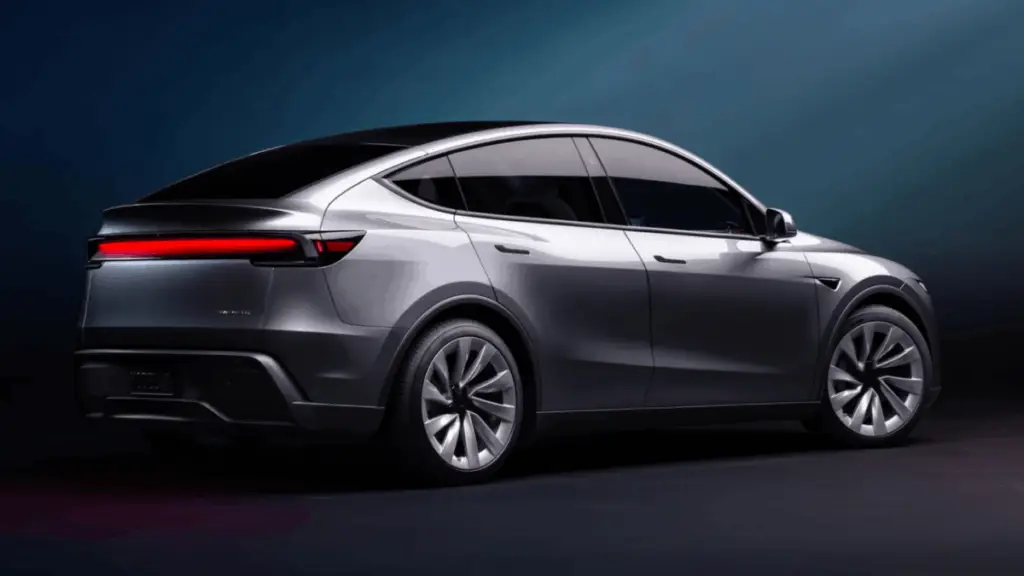
While private customers are satisfied with 300 to 400 km, fleet managers have to juggle much more demanding uses: long-distance journeys, productivity imperatives, reduced downtime.
The extra range of the Model Y becomes a genuine an economic and operational asset. Here are the reasons why +100 km weighs heavily on a manager.
Reduced immobilisation time linked to recharging
Every minute counts for a mobile worker. For a fleet of 100 vehicles, reducing the frequency of daily recharging can generate substantial productivity gains.
Fewer refills means :
- Smoother working days,
- Less time wasted at the terminals,
- A better overall productivity of the fleet.
A vehicle that drives more and recharges less is a Higher ROI for the company.
Optimising TCO through greater energy efficiency
The TCO of an electric vehicle is calculated on the basis of several items: rental/purchase, energy, maintenance, insurance, VAT and residual value. The extra range has a direct impact on the "energy" item and an indirect impact on the residual value:
- Energy more km per effective kWh (depending on consumption), better valuation of fixed costs (rent).
- Maintenance Electric vehicles are still an advantage (fewer moving parts).
- Residual value A vehicle with greater range sells better on the second-hand market.
TCO remains the compass for electric fleet managers.
Compared with fossil fuels, energy costs are unbeatable:
- Approximately €3 / 100 km for an electric Model Y,
- Against 12 to 15 € / 100 km for an equivalent petrol SUV.
This gain is combined with the other advantages of electric cars:
- Less maintenance,
- Ecological bonus and tax exemptions,
- Better residual value in the medium term.
Greater comfort and less anxiety for employees
An employee who doesn't have to worry about autonomy is a calmer, more efficient employee.
Reducingrefill anxiety is a strong HR argument: companies are showing that they offer their teams modern, high-performance tools that make their day-to-day work easier.
A stronger image of modernity and sustainability for the company
Finally, increased autonomy means that companies can claim to have made a sustainable choice without compromising on performance.
Adopting the Model Y sends out a clear signal:
- The company is committed to the ecological transition,
- It positions itself as innovative and modern,
- It anticipates future regulatory constraints (EPZ, end of thermal, etc.).
Tesla Model Y: a strategic choice for fleet managers
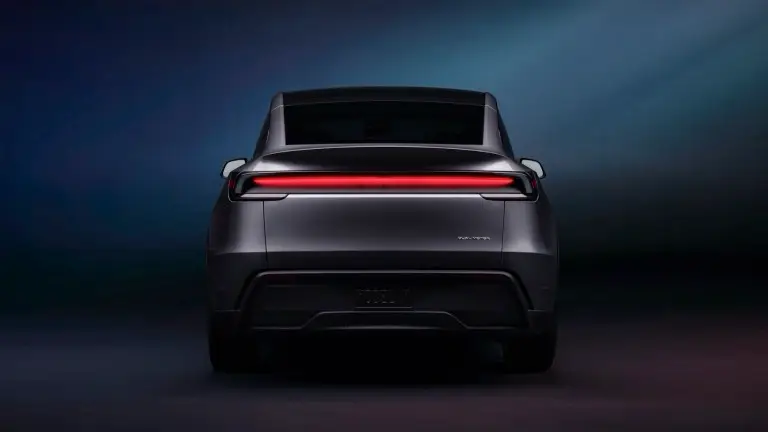
The Model Y combines a number of attributes that make it attractive to fleets, and these advantages are amplified by the new Panasonic cells:
- Versatility and segmentation :
The Model Y is available in a number of configurations: long-range versions, more affordable variants and equipment options. This modularity makes it easy to fleet sizing This means that operators can deploy highly autonomous Model Ys on long-distance workstations and simpler versions for urban use.
- Recharging network: Supercharger as a safety net
Tesla has one of the densest and most reliable fast-charging networks, which represents an operational advantage for fleets that need guaranteed access to fast charging, particularly for RMS (mobility and services managers). The Supercharger network is spreading massively across Europe and will continue to be extended in 2025, improving the operational efficiency of a Model Y fleet.
- On-board technology and OTA updates
The ability to receive remote updates (OTA, over-the-air) is an asset for fleets: safety, optimised battery management and new energy management functions are deployed without the need for a workshop visit. For a fleet manager, this reduces dependence on the workshop network and enables parameters to be optimised remotely (charge limitation, recharge planning, comfort, etc.).
- Residual value and brand image
Model Ys tend to have a higher residual value than comparable models, particularly on the European second-hand market. Greater range reinforces this value, as it broadens the pool of potential buyers (private individuals willing to accept long journeys, rental companies, etc.).
Prospects for businesses and electric mobility
This gain in autonomy is not an end in itself, but rather a stage in the technological race. Here's what managers need to monitor and plan for:
Ever more efficient batteries
Panasonic is not alone in this field: CATL, BYD and LG Energy are also developing denser, more durable and less expensive cells.
For companies, this means ever more competitive vehicles, with a lower cost of ownership. TCO that will continue to fall.
Infrastructures and corporate recharging strategies
The priority for a manager : designing a mixed strategy These include AC charging points for top-up and night-time charging, DC charging for intensive rotations, and access contracts to public networks for multi-site mobility. With +100 km of range, the strategy can evolve: less DC during the day, more overnight charging and greater flexibility in the management of shared fleets.
Intelligent management and data: the heart of performance
Digitising the fleet is becoming a strategic lever. The new packs make it easier to track battery health, plan maintenance and optimise charge/discharge cycles to maximise battery life.
With Panasonic's more efficient batteries, these tools become even more valuable. By integrating a solution like Beev Fleet Manager, fleet managers have a complete cockpit at their disposal: precise monitoring of range, anticipation of recharging needs, TCO management and automated reporting to meet regulatory obligations.
An inevitable regulatory shift
The EPZ (low-emission zones) are expanding, the end of sales of new internal combustion engines in 2035 is approaching, and tax pressures are mounting.
Investing now in an electrified fleet means get ahead and secure its choices for the next decade.
A fleet market in the throes of change
The market share of electrified vehicles already exceeds 50 % in 2025 for fleets. By 2027, the majority of new vehicle registrations will be 100 % electric.
The Model Y, with its enhanced autonomy, is part of this movement as a safe bet.
Conclusion
The Tesla Model Y, boosted by new Panasonic batteries, not only offers +100 km of range: it redefines the balance between performance, user comfort and profitability for business fleets. More range means fewer constraints, less time wasted at public charging points and more productive hours for employees.
But to make the most of this potential, the key lies in intelligent management. A high-performance vehicle must be accompanied by optimised management: monitoring actual range, anticipating recharging needs, controlling TCO and complying with regulations. This is where a tool like Beev Fleet Manager makes all the difference.
At BeevEvery day, we support fleet managers in their energy transition. Thanks to our turnkey solutions: choice of vehicles, installation of charging points, financing and digital management, we help companies turn electrification into a competitive advantage.
The future of fleets is not just about "more autonomy". It's a new ecosystem where technology, data and strategy come together to build fleets that are more efficient, more economical and more sustainable.
And you, are you ready to integrate the new generation Model Y into your transition strategy?
You would like toto electric?
Beev offers multi-brand 100% electric vehicles at the best prices, as well as recharging solutions.