









How does the new Hyundai IONIQ 3 perform with its 204 bhp?
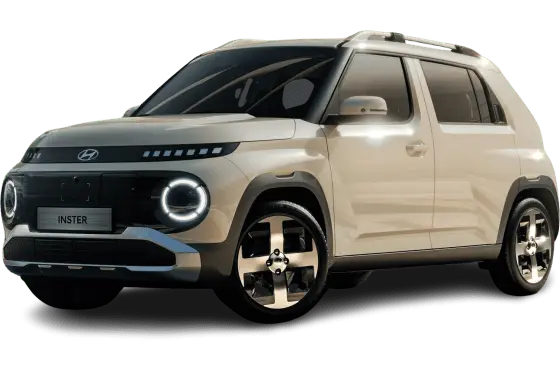
The new Hyundai IONIQ 3, with its 204 bhp, is a high-performance compact electric SUV designed to combine dynamism and efficiency on the road. Its innovative powertrain and modern architecture make it a particularly attractive model for demanding drivers in search of thrills and excitement.autonomy.
Power and Dynamics :
- The electric motor delivers 204 bhp (150 kW) of power, combined with instant torque for crisp acceleration and strong acceleration, similar to that of the Kia EV3, with a 0 to 100 km/h time of less than 8 seconds.
- Front-wheel drive ensures stable, agile handling, ideal for both urban and motorway driving.
- The e-GMP (400 V) platform optimises weight distribution and energy efficiency, while guaranteeing a responsive driving experience enhanced by a dynamic chassis and advanced electronic management.
Battery and Road Performance :
- Several battery capacities will be offered: 58.3 kWh for entry-level versions, and up to 81.4 kWh for the long-range configuration, giving a maximum WLTP range of 600 km per charge.
- The thermal management system and energy recovery module optimise range and consistency of performance on long journeys, even in varying conditions.
- Lively acceleration, instant throttle response and a top speed adapted to the segment, all without sacrificing range, are among the strengths of this new model.
In short, the Hyundai IONIQ 3 combines power and efficiency to offer a compact electric SUV with real performance in its class, while offering a modern, reassuring and connected driving experience.
What platform is the new Hyundai IONIQ 3 based on?
The new Hyundai IONIQ 3 is based on the E-GMP modular platform, a technological pillar of the Hyundai-Kia group dedicated to the latest generation of electric vehicles.
E-GMP platform: Modern, efficient architecture :
- Adapted E-GMP platform: Like the other members of the IONIQ range, the Hyundai IONIQ 3 is based on the Electric-Global Modular Platform (E-GMP), which ensures flexibility and efficiency for all of the Group's electric 100% models.
- Optimised for the compact segment: On the IONIQ 3, the E-GMP uses a 400 V electrical architecture (instead of the 800 V used on top-of-the-range models), allowing Hyundai to optimise production costs while maintaining solid performance and enhanced safety.
- Modular batteries and powertrains: This platform offers a range of battery capacities (from 58 kWh to 81 kWh) to provide a range of up to 600 km WLTP, while allowing a variety of drivetrain configurations (rear-wheel drive or all-wheel drive).
- Inter-model compatibility: The IONIQ 3 shares its base with the Kia EV3, benefiting from proven technical innovations that optimise the reliability and versatility of the whole package.
What range and batteries does the new Hyundai IONIQ 3 offer?
The Hyundai IONIQ 3 is a 100% electric SUV designed for both everyday use and long journeys. The Korean brand has focused on energy efficiency and a variety of configurations to suit a range of driver profiles.
- Two battery capacities available:
- An entry-level battery, ideal for urban and suburban use.
- A higher-capacity battery, designed for long-distance journeys and the most demanding drivers.
- Up to 600 km of range (according to the WLTP cycle), making the IONIQ 3 one of the best compact electric SUVs in terms of endurance.
- Fast DC charging: the model benefits from an 800V architecture inherited from the IONIQ range, enabling it to charge from 10 to 80% in less than 25 minutes under optimum conditions.
- Optimised efficiency thanks to intelligent energy management and adaptable brake recuperation systems.
Combining generous range with ultra-fast charging, the Hyundai IONIQ 3 is a compact SUV perfectly suited to drivers looking to combine electric mobility, freedom of movement and everyday comfort.
What is the expected price of the new Hyundai IONIQ 3 in Europe?
The expected price of the new Hyundai IONIQ 3 in Europe should be particularly competitive, confirming the brand's offensive in the highly coveted compact electric SUV segment.
Expected pricing for the new Hyundai IONIQ 3 :
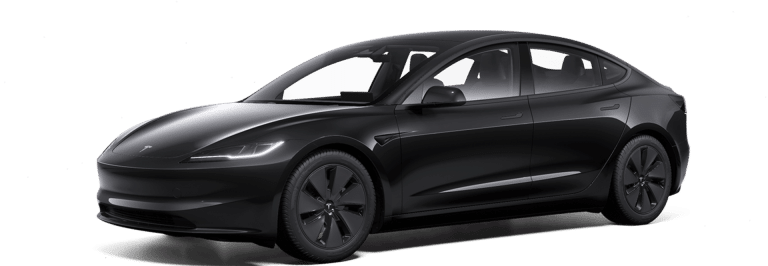
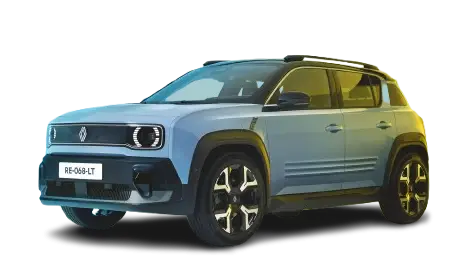
- Base price: According to initial estimates from industry sources and specialist media, the IONIQ 3 should be available from €35,000 to €36,000, below the psychological barrier of €37,000, which puts it in direct competition with the Kia EV3, the Renault Megane E-Tech and the Volkswagen ID.3.
- Comparison with the competition: For reference, the Hyundai Kona Electric currently starts at around €36,850 for the base version, while the Kia EV3 is available from €35,990.
- Greater accessibility: This competitive entry price will be a major advantage in a market where the accessibility of electric vehicles remains a major concern for many European motorists.
Options and equipment : As with the rest of the IONIQ range, various battery configurations (58 kWh and 81 kWh) and new equipment packs will influence the final price, with top-of-the-range versions potentially topping the €40,000 mark depending on the options chosen.
Launch strategy for the new Hyundai IONIQ 3 :
- The car is expected to go on sale in Europe in early 2026, with a price positioning clearly designed to appeal to motorists wishing to take the electric step without compromising on range or technological innovation.
- This aggressive pricing strategy confirms Hyundai's determination to shake up the market and democratise electric vehicles with models that are high-performance, modern and affordable.
What is the technical architecture of the new Hyundai IONIQ 3?
The Hyundai IONIQ 3 is based on an evolution of the E-GMP (Electric Global Modular Platform), specially developed for the Korean group's 100% electric vehicles. This technical base gives it high performance, great energy efficiency and modularity tailored to the needs of European drivers.
Among the major technical advantages of this architecture :
- Platform dedicated to electric vehicles: the E-GMP allows better integration of the batteries in the floor, guaranteeing a lower centre of gravity and improved road stability.
- High-capacity battery: available in several configurations, including a 77 kWh pack offering up to 600 km of range (WLTP cycle).
- 800-volt system: inherited from Hyundai's expertise on the IONIQ 5 and the Kia EV6, this system enables ultra-fast charging, with the possibility of recovering 80% of energy in less than 20 minutes from a high-power terminal.
- Efficient powertrain: a 204bhp electric unit, delivering immediate torque for responsive acceleration and dynamic driving in urban environments and on motorways.
- V2L (Vehicle-to-Load) technology: allowing the SUV's battery to be used as an external energy source to power electrical appliances for everyday use or when out and about in the open air.
This technical architecture positions the Hyundai IONIQ 3 as a compact electric SUV that is powerful, versatile and forward-looking, meeting motorists' expectations in terms of range, comfort and connectivity.
What software innovations does the new Hyundai IONIQ 3 bring with Pleos?
The Hyundai IONIQ 3 stands out not only for its electric performance, but also for its next-generation software world, called Pleos. Designed as a truly intelligent interface, this system puts the user experience at the heart of driving and paves the way for a more connected, upgradeable and customisable SUV.
Pleos' main innovations include:
- OTA (Over-The-Air) updates: the system ensures that the vehicle is constantly upgraded with software updates that do not require a dealer visit, whether for safety improvements, new functions or optimised fuel efficiency.
- Advanced customisation: Pleos allows the interface to be adapted to the driver's preferences, with user profiles memorising settings, navigation and driving habits.
- Connected ecosystem: seamless integration with smartphones, entertainment services and the connected home, making it easier to manage recharging or plan intelligent routes based on remaining range.
- Enhanced driving experience: thanks to on-board AI, Pleos is able to anticipate the driver's needs (suggested routes, optimised air conditioning, recommended recharging stops).
- Proactive safety: combining sensors and predictive algorithms to enhance driving assistance and risk prevention on the road.
With Pleos, the IONIQ 3 has taken an important step forward: it is no longer just a high-performance electric SUV, but a vehicle that is constantly evolving, designed to adapt to the driver and his environment.
How does the new Hyundai IONIQ 3 stack up against the Kia EV3?
| Criteria | Hyundai IONIQ 3 | Kia EV3 |
|---|---|---|
| Positioning | Premium-oriented compact electric SUV with long-distance range | Compact 100 % electric SUV at a competitive price, democratising electric vehicles |
| Power | 204 ea | 160-200 hp depending on version |
| Autonomy | Up to 600 km (WLTP cycle, depending on version) | Around 500 km (depending on version) |
| Target audience | Drivers looking for performance, modern design and energy efficiency | Customers who appreciate value for money and bold design |
| Technology & equipment | Focus on efficiency, autonomy and perceived quality | Connected technologies and innovations accessible to a young audience |
| Commercial strategy | Highlighting versatility and premium image | Aggressive pricing and affordability |
Where will the new Hyundai IONIQ 3 be built and why is this a strategic choice?
The Hyundai IONIQ 3 will be assembled in Europe, at the Hyundai Motor Manufacturing Czech (HMMC) plant in the Czech Republic. This choice is not insignificant: it is part of a long-term industrial and commercial strategy aimed at strengthening the manufacturer's position in the compact electric SUV market.
There are several reasons for this decision:
- Proximity to the European market: by producing locally, Hyundai considerably reduces its logistics lead times and can respond more quickly to fluctuations in demand in the EU.
- Compliance with environmental regulations: Europe imposes strict standards in terms of emissions and sustainability. Producing locally enables the manufacturer to guarantee greater traceability and ecological compliance.
- Cost optimisation and competitiveness: European production reduces import costs, customs duties and the risks associated with currency fluctuations.
- Strengthening the brand image: offering a «Made in Europe» electric SUV enhances the brand's proximity to European consumers and can boost buyer confidence.
- Contribution to local employment and value chains: Hyundai plays an active role in the region's economic development, while reducing its impact on the local economy. carbon footprint thanks to a shorter supply chain.
By choosing Europe as the production base for the IONIQ 3, Hyundai is consolidating its strategy of expansion in the compact electric SUV market, and relying on its local roots to appeal to a demanding clientele looking for high-performance, durable and affordable vehicles.
Will the new Hyundai IONIQ 3 be available in all European markets?
Hyundai is aiming for widespread sales of its new IONIQ 3, although the exact availability of the model may vary according to European markets. The Korean manufacturer is adopting a progressive strategy to meet the growing demand for electric SUVs, while taking account of recharging infrastructures and local incentive policies.
In practice:
- Priority markets: Germany, France, the Netherlands, the Nordic countries and the UK should be the first to benefit, thanks to their strong adoption of electric vehicles and already robust recharging networks.
- Extended availability: Spain, Italy, Portugal and some Eastern European countries could follow suit, but with a slight time lag depending on production volumes and government support for electromobility.
- Influencing factors: Hyundai adapts its distribution according to the level of infrastructure, electric sales quotas by country and changes in European regulations (in particular the Euro 7 standard and the 2035 zero emission target).
While the Hyundai IONIQ 3 will indeed be available throughout the European Union, its launch schedule may differ from one market to another. For potential buyers, it will therefore be essential to follow Hyundai's official announcements and local pre-orders.
When is the official presentation of the new Hyundai IONIQ 3?
The new Hyundai IONIQ 3 will be officially unveiled at the Munich Motor Show (IAA Mobility 2025), taking place from 9 to 14 September 2025. Here are the key points to remember about this event:
- Date of presentation: early September 2025, precisely at the opening of the show on 9 September.
- Venue: Munich Motor Show, one of Europe's leading events for automotive innovation, particularly in the field of electric vehicles.
- Presentation format: Hyundai will unveil a concept car very close to the production model of the IONIQ 3, giving a glimpse of the design and key technologies.
- Strategic importance: this launch will formalise the positioning of the IONIQ 3 as an accessible compact electric SUV, with a range of up to 600 km and a 204 hp engine.
- Production: the model will be produced in Turkey, a sign of a clear European strategy aimed at optimising costs.
Make your energy transition now, with a range of new 100 % electric vehicles available for leasing from Beev!
Summary of the technical data for the Hyundai IONIQ 3
| Features | Details |
|---|---|
| Category | Compact electric SUV |
| Power | 204 bhp (150 kW) |
| Couple | Instantaneous, acceleration < 8 s (estimated 0-100 km/h) |
| Transmission | Front-wheel drive (rear-wheel drive/all-wheel drive possible depending on configuration) |
| Platform | E-GMP (400 V) dedicated to electric vehicles |
| Battery capacity | 58.3 kWh (entry-level) - 81.4 kWh (long range) |
| WLTP range | Up to 600 km |
| Fast recharge | DC, 10 to 80 % in less than 25 minutes (depending on high-power terminal) |
| Electrical architecture | 400 V (cost optimisation) + 800 V compatibility for rapid recharging |
| Software technologies | Pleos: OTA updates, advanced customisation, on-board AI |
| Advanced functions | V2L (Vehicle-to-Load), optimised thermal management, energy recovery |
| Price positioning | Estimated from €35,000 - €36,000 (entry-level) |
| Manufacture | Hyundai Motor Manufacturing Czech plant (Czech Republic) |
| Marketing | Early 2026 in Europe, official presentation IAA Munich 2025 |
Conclusion
With the new Hyundai IONIQ 3, the Korean brand is taking a decisive step forward in the compact electric SUV market. Combining a 204 bhp engine, a range of up to 600 km, ultra-fast recharging and innovative software such as Pleos, this model stands at the crossroads of performance, efficiency and connectivity.
Produced in Europe to meet local needs, it is competitively priced against the Kia EV3, the Renault Mégane E-Tech and the Volkswagen ID.3. More than just a vehicle, the IONIQ 3 illustrates Hyundai's desire to democratise electric power by offering a modern, affordable and forward-looking alternative.
You would like toto electric?
Beev offers multi-brand 100% electric vehicles at the best prices, as well as recharging solutions.