

















Monday to Friday
9am - 12.30pm - 2pm - 7pm
A closer look at recharging infrastructures in France
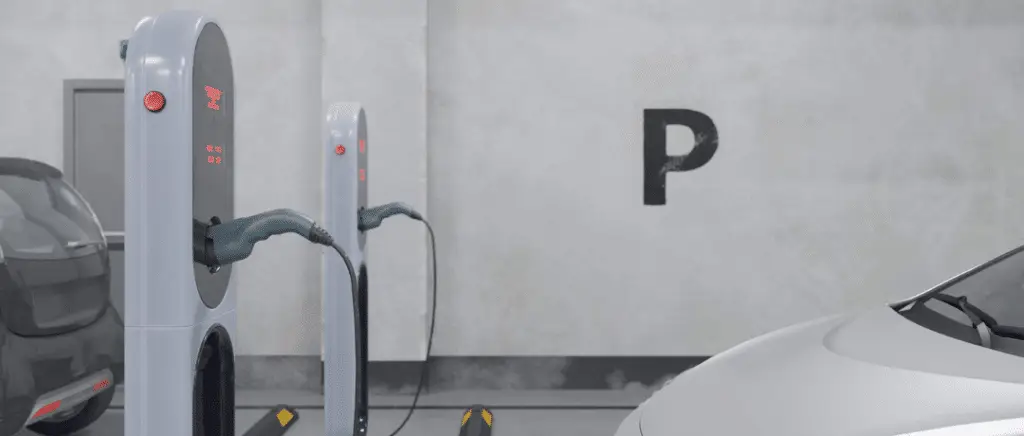
In France, the development of charging infrastructure for electric vehicles is a government priority. Let's take a closer look at the IRVE landscape and developments over the past year.
The current situation in a few figures
France ranks 3ᵉ ahead of Germany and behind the Netherlands as the country with the most public charging points. As of 30 September, there were 109,856 throughout France (an average of 163 points per 100,000 inhabitants). More recently, in November last year, the total number of recharging points rose again, to 114,385 across the country. This growth also includes the network of fast-charging stations (with 14,500 installed). All this confirms the commitment to a robust and accessible IRVE. The results for 2023 therefore show real progress in the development of charging infrastructure in France.
What progress has been made in 2023?
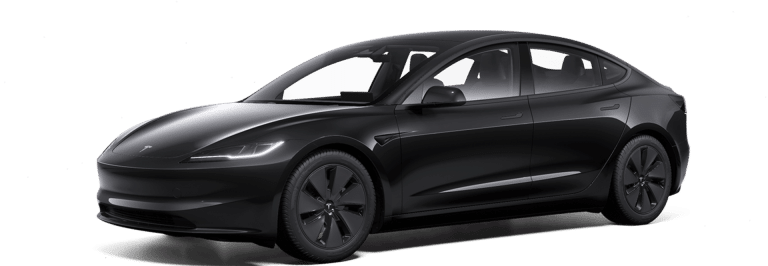
The year 2023 was marked by a significant rise (+52.4 %) of registrations compared with 2022 (192,438). La Tesla Model Y, Tesla Model 3 and Peugeot e-208 are among the three electric vehicles which sold the most this year. This growing interest in mobility raises the question of the recharging network, and how to make sure that there is an adequate supply of electricity. recharging infrastructure and diversified to anticipate the needs of the future. electric mobility?
Also read → Top 5 best-selling electric vehicles in 2023
What are the major challenges for 2024?
In 2024, France faces a number of major challenges in terms of the development of charging infrastructure for electric vehicles (IRVE). These challenges are crucial to the success of the transition to more sustainable mobility.
Coping with increased demand
Growth in the number of electric vehicles expected
Electric and hybrid vehicles account for 40 % of purchase intentions between now and the end of 2023. Since 2020, the number of electric cars has soared from 185,499 in 2020 to 459,212 in 2022.
The need to extend charging infrastructure
It's important to speed up the development of recharging infrastructure, because the automotive sector has set itself the target of increasing vehicle sales fivefold by the end of 2024. So we need to respond to this rapid growth in the market.
What are the technological challenges?
Improving recharge speed
Recharging speed is one of the main selling points for buyers of electric vehicles. Manufacturers such as Volkswagen or Hyundai have understood this and are working tirelessly to optimise charging times. Some electric vehicles, such as the Renault Megane e-Tech can now be recharged in less than 30 minutes.
Integrating new technologies
Wireless charging is one of the new technologies expected for 2024 and beyond. Little information is available at present, but this innovation promises to improve the user experience and accessibility.
Also read → Induction charging for electric cars
What about ecological and energy issues?
The need for clean energy for charging points
The year 2024 marks a turning point for France's energy giant, the French Energy Regulatory Commission. It is on the verge of revolutionising the market, with a particular focus on the renewal of eco-responsible energy sources, particularly for electric charging points. Their new strategy is to offer a series of financial incentives with the aim of reducing green energy tariffs to make them more accessible and ultra-competitive.
They are made up of two financial mechanisms, a dedicated renewable electrical energy with two methods to support it:
- the open window: enabling any eligible facility to receive financial assistance,
- competitive tendering procedures: enabling the winners of a call for tenders to receive financial support.
The second mechanism is linked to the support for renewable gas and concerns methanisation and non-hazardous waste storage facilities can benefit from a fifteen-year purchase contract.
Energy demand management
La French Energy Regulatory Commission launched a programme in 2010 to develop smart grids (smart energy networks), in which it promises to step up its efforts to use energy more intelligently. It also aims to develop the adoption of renewable energies. It therefore has a fundamental role to play in encouraging more thoughtful consumption. So 2024 promises to be a pivotal year for solar power in the world of green energy.
These challenges are at the heart of the coming year, the key to a greener future and cleaner travel. It's an ambitious project that will open huge doors for France, both in terms of electric cars and changes in the way we consume energy.
Promising solutions and initiatives
What public policies are planned?
Government plans and incentives to develop infrastructure
With the France Relance project In the background, the government has put on the table a substantial budget of 100 million euros. The aim? To transform every motorway rest area into an express recharging point for electric cars by the end of 2024. This is the main objective of the action plan for the development of charging infrastructure on busy roads. This will make travelling in an electric car more pleasant and straightforward, even for long-distance journeys. In the end, everyone will be able to travel more easily throughout France, without having to worry about battery thanks to more accessible charging points.
Examples of regulations or subsidies
Following the publication of the decree no. 2021-153 of 12 February 2021With the introduction of the electric car charging system, it has become mandatory for every service area on motorways under concession to be equipped with charging facilities for electric cars. Each of these facilities must offer a minimum of four fast-charging sites. In terms of funding, these stations are eligible for ADVENIR aid ranging from 10 % to 40 % of installation costs, depending on the nature of the station. What's more, these subsidies can be combined with funds earmarked for connecting the equipment to the electricity grid.
Companies that innovate
Innovation projects from terminal manufacturers and energy suppliers
The field of electric charging stations is attracting considerable financial interest, even in the absence of rapid benefits. To illustrate, Driveco raises €250 million, Electra has raised €160 millionand NW Storm has raised 300 million euros. These considerable sums reflect the growing appeal of the electric charging infrastructure sector.
Partnerships between business and government
La DGE (Direction générale des Entreprises) recently published a guide to the IRVE market. The guide provides support for public and private developers, informing them of best practice to secure their investments and enable them to provide high-quality charging infrastructure for users. The guide also highlights the importance of using a French and European supply chain to produce charging stations.
All these initiatives between public and private players demonstrate the shared objective of providing a sustainable solution to tomorrow's needs and challenges in terms of recharging infrastructure for greener mobility.
Also read → What are the details of the ADVENIR premium?
What are the future prospects and their potential impact on recharging infrastructures?
Artificial intelligence in connected vehicles
This innovation will not only enable better management of groups of electric cars, but also make them more energy-efficient. In the long term, artificial intelligence will enable charging stations to be used and installed more efficiently.
Also read → What future for artificial intelligence in the clean car?
Transition to renewable energies
The increasing use of renewable energies in the electricity grid has become commonplace in recent years, especially with the emergence of intelligent electric vehicles, such as the V2G model. This trend towards a cleaner future will also mean a greater need for charging stations that can accommodate these new forms of energy.
Developments in batteries and associated technologies
Improving the performance of solid state batteries will improve the life of electric vehicles while optimising their charging time. Of course, this advance will also require a considerable amount of recharging infrastructure.
Also read → 10 innovations that promise to revolutionise the electric car
The importance of adaptability and long-term planning
The growing popularity of electric cars will require between 1,500,000 and 2 million by 2025 to accommodate them all. By 2030, this figure will rise to almost 3 million. Several actions are important:
- put in place a precise plan to meet future needs,
- keep an eye on emerging technologies (wireless charging, unification of the public network),
- integrate renewable energies.
Conclusion
To keep pace with this trend towards electric cars, France needs to develop a solid recharging infrastructure that is as accessible as possible. This will be made possible by the government and private companies working together to enable sustainable and efficient transport for the future, when electric vehicles will be more commonplace.
If you would like to find out more aboutsupport for the installation of charging points for businesses in 2024For more information, see our article on this subject.