













Discover our exclusive offers
Leasing an electric car: what is it?
Le leasing an electric car for professionals offers companies an exceptional opportunity to reduce their carbon footprint while optimising their operating costs.
Long-term leasing has become the preferred method of financing for businesses. According to the 2023 Fleet and Mobility Barometer, full service leasing is clearly the preferred method of financing for businesses in France. More than 50% of companies will be using long-term leasing in 2023This makes it a preferred method of financing in the professional sector.
Unlike buying a car, leasing allows companies to benefit from a fleet of state-of-the-art electric cars without tying up large amounts of capital. What's more, with the rapid technological advances in the electric cars, leasing offers the flexibility to update the fleet on a regular basis, ensuring that your business remains at the forefront of innovation.
By investing in leasing of electric carsNot only are you contributing to a more sustainable future, you're also saving money in the long term, while providing your employees with modern, environmentally-friendly cars.
Make the right choice for your business by opting for electric car leasing, a decision that combines efficiency, savings and environmental responsibility.
What is long-term leasing?
La long-term rentalIn other words, long-term leasing is a financing solution that allows you to lease an electric car for a period of 1 to 5 years. The lessee pays a fixed rental fee that includes maintenance, assistance and other services. At the end of the contract, the lessee returns the vehicle to the leasing company.
Advantages of long-term leasing :
- Better budget management: fixed rents allow you to control your spending.
- Flexibility: the possibility of changing vehicles on a regular basis.
- Adoption by professionals: long-term leasing is a solution that companies are familiar with.
And from an accounting point of view :
- Leasing allows you to deduct the rental payments from your taxable income. The lease payments made to the lessor are treated as operating expenses, reducing the company's taxable income.
- It also means that no capital is tied up. The company does not have to invest in the purchase of a vehicle, which frees up cash.
There is also risk reduction, in which the company is not responsible for the maintenance and repair of the vehicle, thereby reducing the risks associated with owning a vehicle..
What is a lease with an option to buy (LOA)?

La lease with purchase option or LOA offers the possibility of leasing an electric car with the prospect of buying it at the end of the contract, making it an attractive financing solution.
The tenant pays a monthly rent for a specified period, which can range from 2 to 5 years. At the end of the contract, the tenant may :
- Buy the vehicle at the price set out in the contract.
- Return the vehicle to the lessor.
- Terminate the contract early, subject to a fee.
Advantages of the LOA
The LOA offers a number of advantages, including
- The possibility of changing vehicles regularly, depending on the needs of the company or individual.
- At the end of the contract, the lessee has the option of buying back the car at a predetermined price.
- The option of withdrawing from the contract up to 14 days after signing.
Advice
It's important to compare leasing offers carefully before taking out a contract. You should also check that the vehicle is well maintained and that it meets the needs of the company or individual.
What is medium-term leasing (MTL)?
As its name suggests, a medium-term rental is an electric vehicle rental solution for from 1 to 24 months.
For longer periods, we recommend the long-term leasing (LLD)which runs from 24 to 60 months. For a period of less than 1 month, you need to take out a short-term rental contract (LCD).
Let's summarise what was said above:
| Critère | LLD | LOA | LMD |
|---|---|---|---|
|
Duration
|
24 to 60 months
|
24 to 72 months
|
1 to 24 months
|
|
Mileage
|
Flat rate or unlimited
|
Flat rate or unlimited
|
Flat rate or unlimited
|
|
Prices
|
Cheaper than buying
|
More expensive than LLD
|
More expensive than LLD
|
|
Benefits
|
Flexibility and freedom of choice
|
Flexibility, possibility of purchase
|
Adaptability to specific needs
|
Electric car leasing: utility car or electric passenger car?
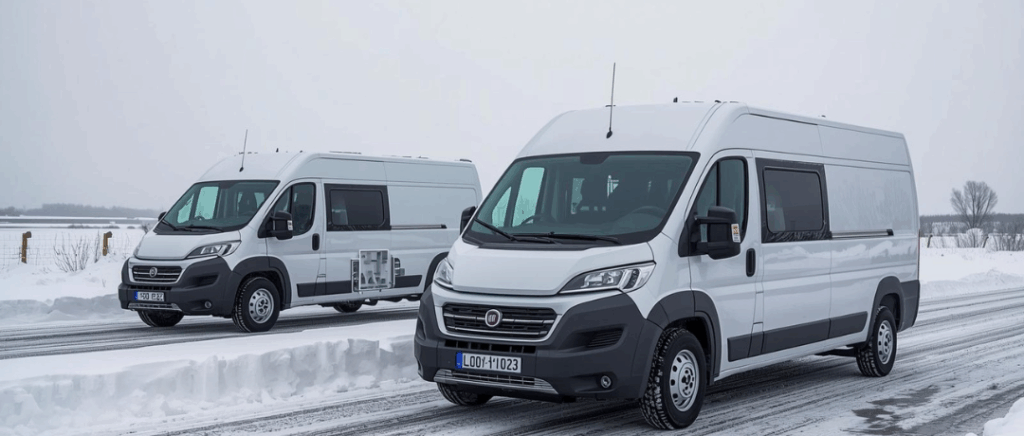
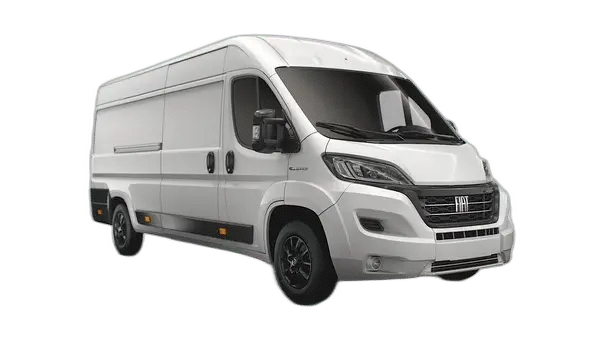
A car electric van is a vehicle designed to transport goods. It generally has a larger load area than an electric passenger car. It is better suited to companies that need a large load space.
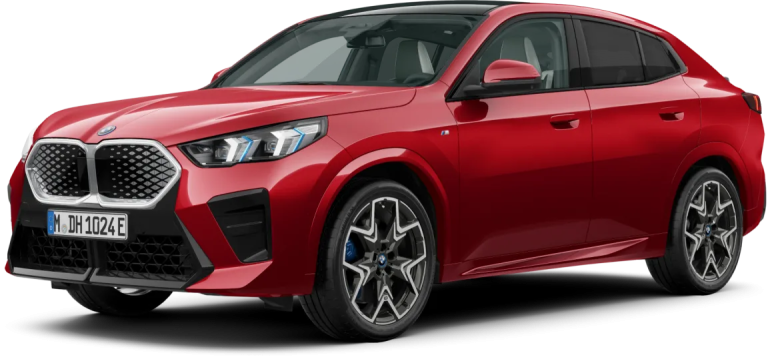
For electric passenger cars, is a vehicle designed to carry people. It is generally smaller and more comfortable than an electric utility vehicle.
The following table summarises the main differences between the two types of vehicle:
| Critère | Voiture électrique utilitaire | Voiture électrique de tourisme |
|---|---|---|
|
Purpose
|
Transport of goods
|
Passenger transport
|
|
Cargo space
|
Important
|
Less important
|
|
Cost
|
Higher
|
Lower
|
What financial assistance is available for electric vehicles?
The use of vehicles is essential for businesses, offering significant advantages in terms of flexibility and mobility. The costs associated with running vehicles can represent a major financial challenge for many businesses. This is where leasing comes in as an attractive financing solution.
As a financing method, leasing enables companies to benefit from a number of key financial incentives. These include environmental bonusa financial incentive designed to encourage the purchase of clean, environmentally-friendly vehicles.
This measure allows companies to benefit from financial aid while contributing to ecological initiatives. In addition, leasing can also offer financial assistance such as the conversion premiuma financial incentive to encourage the replacement of older vehicles with newer, more environmentally-friendly models..
Ecological bonus: who can benefit?
The ecological bonus is financial assistance offered by the French government to facilitate the purchase of low-emission vehicles. This incentive is aimed at private individuals and businesses who purchase or lease electric, plug-in hybrid or hydrogen-powered vehicles.
The amount of the grant varies according to the type of vehicle and its CO2 emissions. Vehicles with the lowest emissions benefit from a higher subsidy.
To qualify for the environmental bonus in 2023, certain conditions must be met:
- The vehicle must be electric, hydrogen-powered or a combination of the two.
- The acquisition cost of the vehicle must not exceed €47,000.
- You must buy or lease it for a minimum period of 2 years.
- The vehicle may not be resold in the year of purchase and must have travelled at least 6,000 km.
- The weight of the vehicle must not exceed 2.4 tonnes, or 3.5 tonnes for category M2.
Example:
Let's take the example of a company that wants to buy a new electric car costing €40,000. Thanks to the 3,000 ecological bonusThe cost of acquiring the car is reduced to €37,000.
Conversion allowance: how can you benefit?
La conversion premium is a major financial incentive for companies wishing to buy or lease a new or used electric car. It significantly reduces the cost of acquiring a clean car, which encourages its adoption.
The amount of the premium is set at 27 % of the acquisition cost including VATup to a limit of 6,000 for individuals and 3,000 for professionals.
The list of vehicles eligible for the conversion premium in return for scrapping:
For private customers:
Private car :
- New or used vehicle with Crit'Air 1 classification
- Autonomy less than 50 km
- CO2 emissions less than or equal to 127 g/km (137 g/km if the vehicle is more than 6 months old)
- Price less than or equal to €50,000
| Type de véhicule | Critères | Ménages très modestes et ménages "gros rouleurs" | Ménages très modestes (revenu fiscal de référence par part inférieur ou égal à 13 489 € | Autres ménages |
|---|---|---|---|---|
|
|
Passenger car
or plug-in hybrid
new or used
|
|||
|
|
Range in excess of 50 km
|
5000 (up to 80% of the acquisition cost)
|
2500 €
|
2500 €
|
|
|
Price less than or equal to €60,000
|
|
|
|
|
Private car
|
|
|
|
|
|
|
New or used vehicle with Crit'Air 1 classification
|
|
|
|
|
|
Range under 50 km
|
3000 (up to 80% of the acquisition cost)
|
1500 €
|
0
|
|
|
CO2 emissions less than or equal to 127 g/km if the vehicle is more than 6 months old)
|
|
|
|
|
|
Price less than or equal to €50,000
|
|
|
|
Light commercial vehicles :
- New or used vehicle with Crit'Air 1 classification
- Range under 50 km
- CO2 emissions less than or equal to 127 g/km (137 g/km if the vehicle is more than 6 months old)
- Price less than or equal to €50,000
| Type de véhicule | Critères | Ménages très modestes et ménages "gros rouleurs" | Ménages très modestes (revenu fiscal de référence par part inférieur ou égal à 13 489 € | Autres ménages | ||
|---|---|---|---|---|---|---|
|
|
Passenger car
or plug-in hybrid
new or used
|
40% of the acquisition cost, up to a maximum of :
|
||||
|
|
Range in excess of 50 km
|
5,000 for class 1 vehicles (reference mass less than or equal to 1,305 kg).
|
||||
|
|
Price less than or equal to €60,000
|
7,000 for class 2 vehicles (between 1,306 and 1,760 kg)
|
|
|
||
|
Light commercial vehicle
|
|
9,000 for class 3 vehicles (weighing more than 1,760 kg)
|
|
|
|
|
|
|
New or used vehicle with Crit'Air 1 classification
|
|
|
|
||
|
|
Range under 50 km
|
3000 (up to 80% of the acquisition cost)
|
1500 €
|
0
|
||
|
|
CO2 emissions less than or equal to 127 g/km if the vehicle is more than 6 months old)
|
|
|
|
||
|
|
Price less than or equal to €50,000
|
|
|
|
For professionals :
Private car :
- New or used electric or plug-in hybrid vehicle
- Range in excess of 50 km
- Price less than or equal to €60,000
| Type de véhicule | Critères | Montant de l'aide |
|---|---|---|
|
|
Passenger car
or plug-in hybrid
new or used
|
|
|
Private car
|
Range in excess of 50 km
|
2500 €
|
|
|
Price less than or equal to €60,000
|
Light commercial vehicles :
- New or used electric or plug-in hybrid vehicle
- Range in excess of 50 km
| Type de véhicule | Critères | Montant de l'aide |
|---|---|---|
|
|
Passenger car
or plug-in hybrid
new or used
|
40% of the acquisition cost, up to a maximum of :
|
|
Light commercial vehicle
|
|
5,000 for class 1 vehicles (reference mass less than or equal to 1,305 kg)
|
|
|
|
7,000 for class 2 vehicles (between 1,306 and 1,760 kg)
|
|
|
Range in excess of 50 km
|
9,000 for class 3 vehicles (weighing more than 1,760 kg)
|
Electric vehicles must have a CO2 content of ≤ 20 g/km, while plug-in hybrids must have a CO2 content of ≤ 50 g/km.
For example, A company that buys a new electric van worth €60,000 can claim an environmental bonus of €3,000. If the company has an old diesel commercial vehicle that is more than 10 years old, it can also benefit from a conversion bonus of €7,000.
In total, the company can therefore benefit from financial assistance of €10,000, reducing the cost of purchasing the vehicle to €50,000.
Reasons to choose an electric car lease
The long-term savings with electric car leasing are mainly due to the lower cost of electricity compared with fuel. According to a study carried out by UFC-Que Choisir in June 2021, a new electric car could save you up to €1,750 over 4 yearscompared with a petrol car.
What's more, electric vehicles benefit from a number of tax advantages, such as exemption from VAT. These advantages can also help to reduce the overall cost of leasing.
No maintenance costs when you hire an electric car
Electric cars offer a significant economic advantage in terms of maintenance costs. The longer the vehicle is owned, the greater the difference in cost.
To take advantage of these savings, it is important to choose a leasing contract that includes maintenance. Most electric car leasing contracts include servicing and maintenance for the duration of the contract.
It's also important to compare leasing offers from several dealers to find the most advantageous contract.
To find out more : Electric vehicles under long-term leasing, the advantages for SMEs and very small businesses
Leasing an electric car: no breakdown charges
In terms of breakdown costselectric cars generally have fewer moving parts than traditional petrol cars, which reduces the risk of breakdowns.
| Type de voiture | Nombre de pièces mobiles |
|---|---|
|
Electric cars
|
20
|
|
Traditional petrol car
|
More than 2000
|
Source : Difference between the number of parts in electric cars and traditional petrol cars
Electric cars have no internal combustion engine, which is a frequent source of breakdowns.
What's more, electric cars are equipped with an on-board diagnostics system which enables potential problems to be detected before they turn into breakdowns.
Possibility of changing the electric car regularly
One of the major advantages of leasing an electric car is that you can the possibility of regularly changing cars at the end of each leasing contract. Unlike buying, where you own the car and have to worry about reselling or exchanging it, leasing gives you considerable flexibility.
We can offer you a model of car Hyundai IONIQ 6, professional leasing our best choice. By leasing a Hyundai IONIQ 6 for 25 months without any contribution in kind for 10,000 km, you can change your electric car at any time. At Beev, Hyundai Ioniq 6 is available for professionals at a price of 641 per month.
The advantages of renting charging stations within your reach
To facilitate the transition to electric vehicles, investment in a charging point often requires significant financial resources.
However, Beev offers a practical alternative: the hire of recharging points. This offer includes two leasing options: LOA (Location avec Option d'Achat) and LLD (Location à Longue Durée).
Whether you're an owner looking to implement an electrification strategy or a lessee without the funds for an initial investment, you can opt to rent a charging point.
In both cases, you rent the terminal and pay monthly instalments over a set period, usually 36, 48 or 60 months.
Electric charging points for professionals: a sustainable solution
From a financial point of view, opting for leasing allows you to stabilise your budget and enjoy greater financial freedom. With leasing, you pay fixed monthly instalments, giving you peace of mind when it comes to managing your budget.
In the case of long-term leasing (LLD), the fact that you don't own the car initially also has its advantages. As well as using the charging point, you benefit from assistance and maintenance services, which saves you from unexpected expenses. This situation differs from that of a Hire Purchase Option (HOP), where you are responsible for repairs and breakdowns, resulting in additional costs.
What's more, if your aim is not to tie up your cash, you can book the rent as an expense on your balance sheet. By increasing your expenses, you reduce your net profit before tax, which can be advantageous from a tax point of view.
Conclusion
To conclude, the electric car leasing is an attractive solution for companies looking to cut costs and reduce their environmental impact.
For more information, we've put together a guide to this topic to explore the different aspects in depth:
Read our article about :
Beev, the leading 100% electric car leasing company in France, offers solutions tailored to the needs of companies of all sizes.
To find out more, contact us today, our Beev experts will help you.