








Our experts answer your questions with a smile
Monday to Friday 9am - 12.30pm - 2pm - 7pm
Discovering Trusk
Created at the end of 2015 by a team of entrepreneurs, Trusk is revolutionising last-mile delivery. The idea? Put an end to delivery delays and make life easier for delivery drivers.
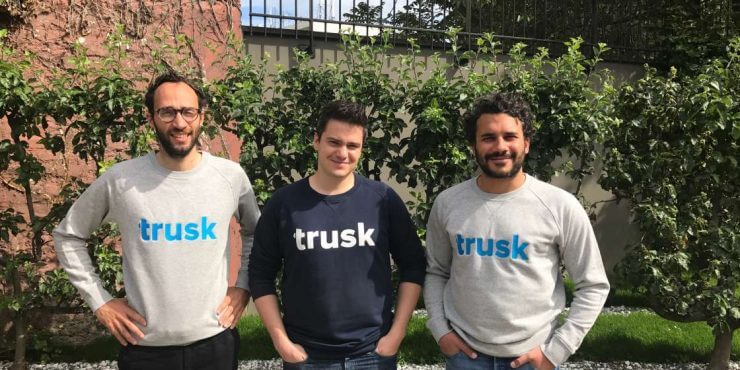
In the age of the smartphone and the Internet, customers are used to having everything immediately. For Trusk, "customers can no longer stand being stuck at home for half a day waiting for their sofa or garden furniture to be delivered". "Thanks to our service, the shop can offer delivery at any time of day, on demand''. - Thomas Effantin (CEO of Trusk)
To compete with the e-commerce giants, shops need to offer an equally effective delivery service. That's where the idea for Trusk came from.
The aim? To deliver products at any time, at the customer's request. Customers can expect delivery as early as 2 hours after placing their order, and at any time of day.
"Thanks to our service, the shop can offer delivery at any time of day, on demand''. - Thomas Effantin (CEO of Trusk)
User experience, a passion for doing things better
Trusk is a start-up that puts delivery drivers in touch with shops that need a delivery service. It's a win-win situation for both parties: the delivery drivers get to do new jobs, and the stores increase their customer satisfaction by standing out from traditional delivery services.
After making a purchase in a shop or on an e-commerce platform, the customer orders an errand. Trusk via the shop assistant or the website. You can choose the delivery time and track the delivery driver from the mobile application to check the status of your delivery.
''There's real traceability, the deliveryman is geolocalised and that means you can be delivered when you want''.
The "customer focus" strategy enables Trusk to stand out from its competitors in the delivery sector. Drivers are connected and delivery is determined by demand, not by the driver's schedule. The aim is to revolutionise the user experience for end-customers, with a tailor-made delivery service. Since its creation, the company has made more than a million deliveries and satisfied just as many customers.
Delivery goes electric, but at what price?
Today, 90 % of deliveries are sent to Trusk by major retailers such as Ikea, Leroy Merlin, Castorama and the construction platform. Trusk operates in all areas where large objects weighing up to 1.2 tonnes need to be transported.
''The idea is to move up the value chain by putting our teams directly in our customers' warehouses, which means we can get orders out more quickly''.
As a participant in the programme, Ikea aims to make all-electric deliveries in several major cities, including New York, Amsterdam and Paris, by 2020. As part of this global approach, Trusk has begun testing electric commercial vehicles (EVs).
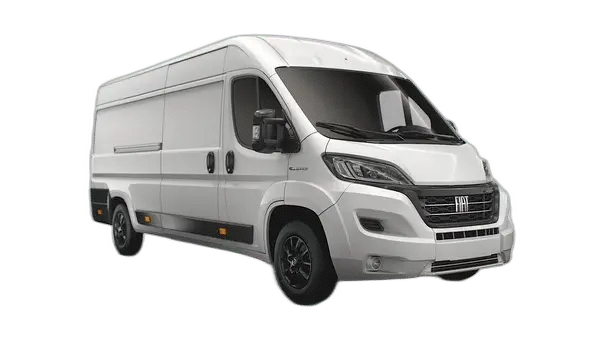
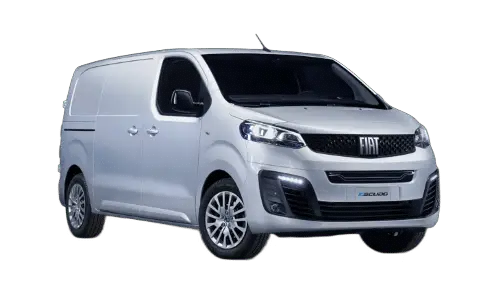
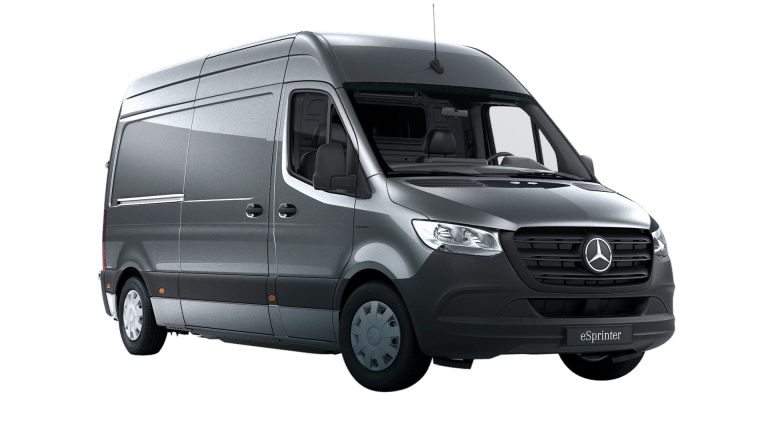
From the Renault Master Z.E. to the Volkswagen e-Crafter, the e-Ducato and the Gruau electron 2, Trusk is testing electric vehicles in Paris.
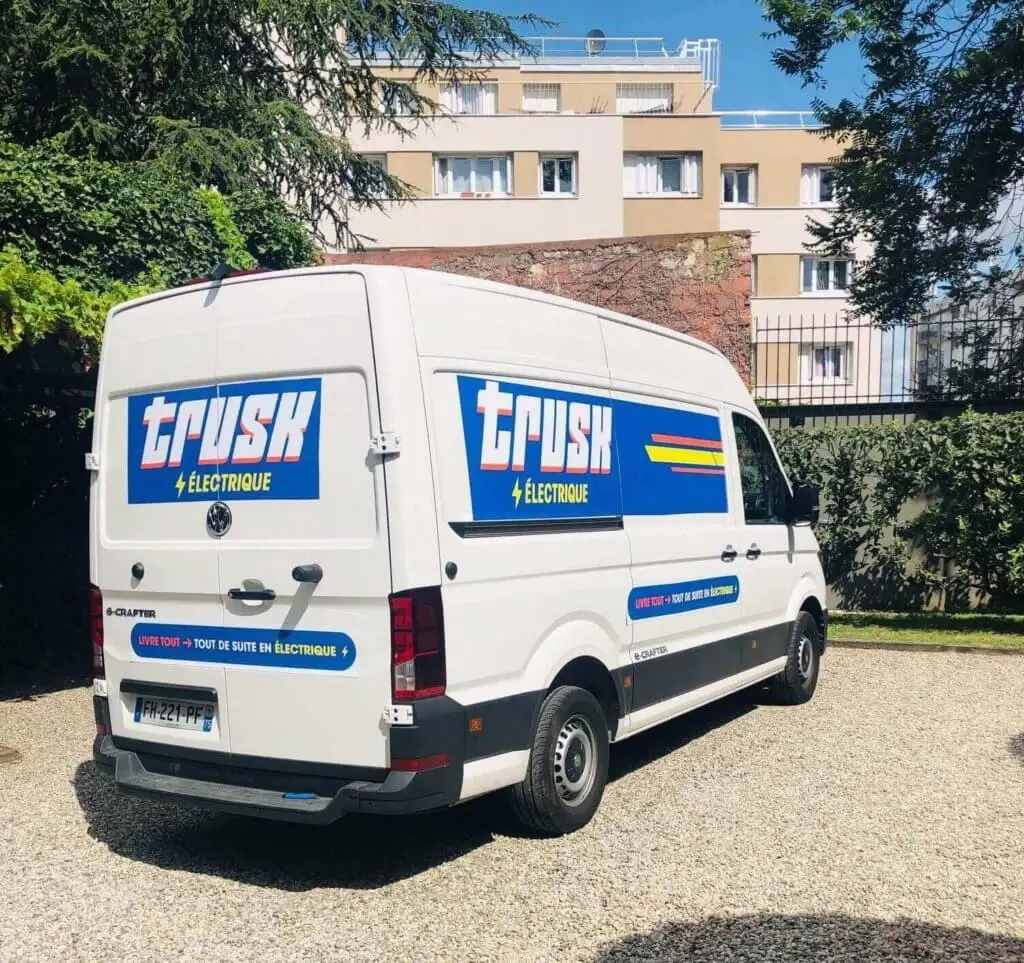
The result? Feedback has been very positive, and customers are satisfied. But it's not all plain sailing when you decide to switch to electric LCVs. Recharging time, autonomyThese are just some of the constraints faced by electric versions of commercial vehicles.
Electric LCVs still have a long way to go. But Trusk has managed to overcome these constraints.
''The advantage we have with Ikea is that we always start from the same place, which is the warehouse in Gennevilliers, we make our rounds and we come back to the warehouse and there we can load it''.
The technical limitations and initial investment required for electric LCVs have prompted Trusk to review its ambitions to make electric LCVs the norm in its fleet. Even if the running costs are lower, it will be necessary to finance the renewal of this fleet, which may lead Trusk to increase its prices.

The future of delivery and electric LCVs
''The Greater Paris of tomorrow will restrict a number of vehicle access points''.
As in most major cities, it is becoming increasingly difficult to get around Paris, the home of the Trusk delivery service. For Thomas Effantin (CEO of Trusk and co-founder), electric vehicles make sense in the ultra-urban environment. In fact, he himself owns an electric scooter, which he praises for its torque and quiet ride, making it a pleasure to drive. But he deplores the fact that there are too few electric commercial vehicles on offer, even though they are the first to suffer from the new WLTP standard.
Good to know, the WLTP (Worldwide Harmonized Light Vehicle Test Procedure) is a new protocol for measuring fuel consumption and emissions of CO2 and other pollutants by vehicles. It replaces the old procedure, the NEDC (New European Driving Cycle), which has been in use since 1973.
We're still in the early stages, people are rather cautious about commercial vehicles and there aren't many offers at the moment. There aren't many manufacturers launching electric commercial vehicles at the moment.
Although electric LCVs are used on a massive scale by the Post Office and town halls, they would benefit from being developed in other key sectors such as last-mile delivery. Currently accounting for almost 2 % of sales, the trend is gathering pace, driven by innovative companies focused on the user experience, such as Trusk.
READ ALSO - Electric commercial vehicles in 2020: everything you need to know
So should you switch to electric LCVs like Trusk? Find out in our special report.
{With fuel prices on the rise and the tougher city policies on polluting vehiclesthe vehicle electric van seems to be THE solution for moving around more freely.
The European authorities have undertaken to reduce 15% of their CO2 emissions by 2025 and these efforts will be joint. Commercial vehicles will have to be greener...}
OUR DOSSIER - Electric commercial vehicles: should you take the plunge?