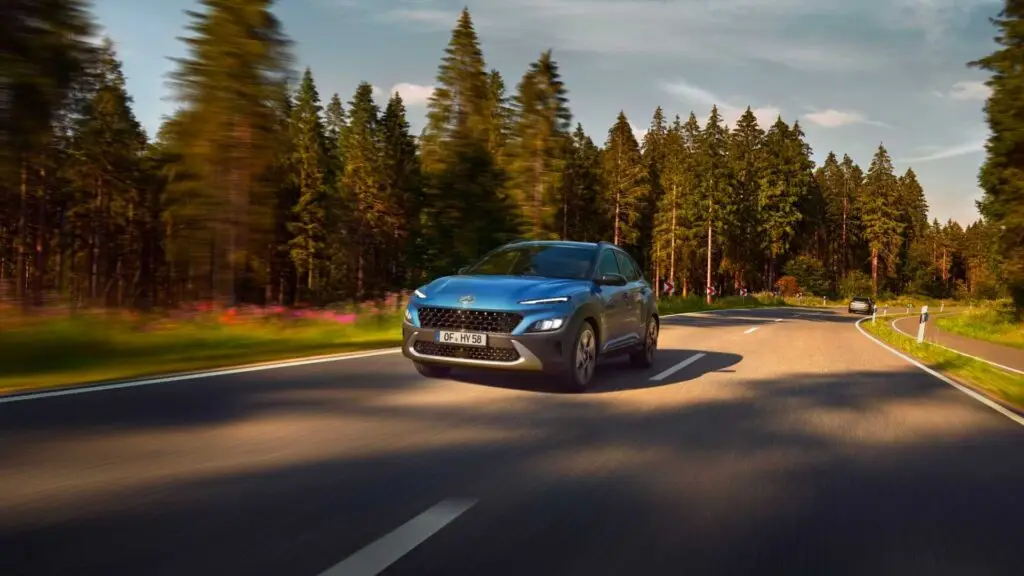
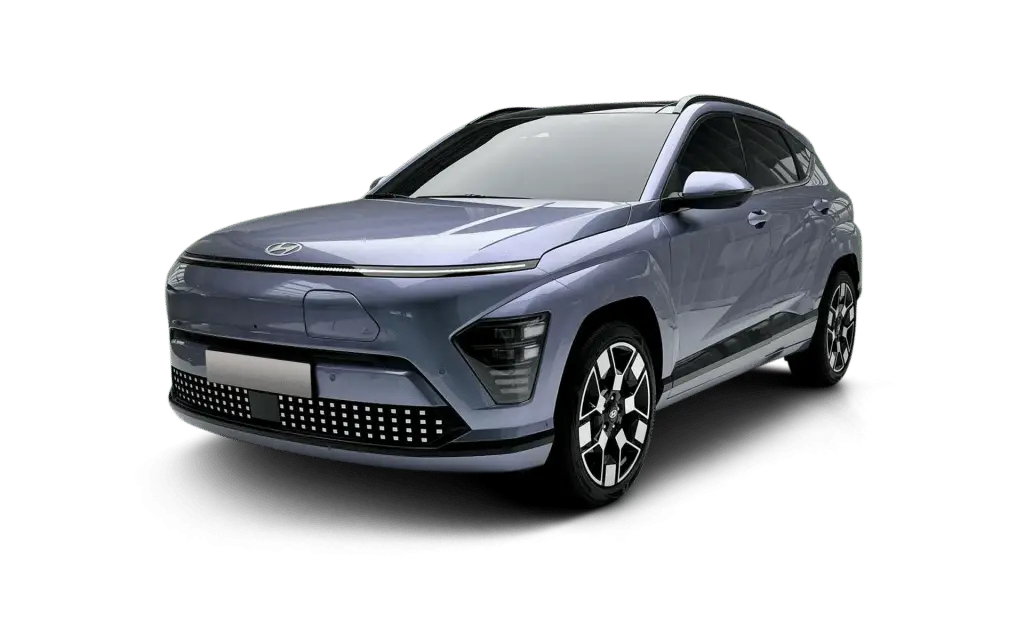
Our test of the Hyundai Kona Electric 39 kWh version.
What about Hyundai Kona Electric first generation? The Korean brand launched its first SUV all-electric mass-market car in 2019 for all of us to enjoy. Hyundai is making great strides in the market for clean vehicles. The KONA Electric is a full-size SUV available with two engines: 100 kW and 150 kW. It offers all the benefits of an electric vehicle with all the features of a small SUV. For this test, we'll be looking at the Hyundai KONA Electric 39 kWh version.
This is a 5-seater SUV with a small battery of 39 kWh, which gives it a autonomy cycle of almost 300 km WLTP.
Hyundai is making great strides in the clean car market, and the Kona is a perfect example. So what's the verdict? That's what we're going to find out.
Table of contents
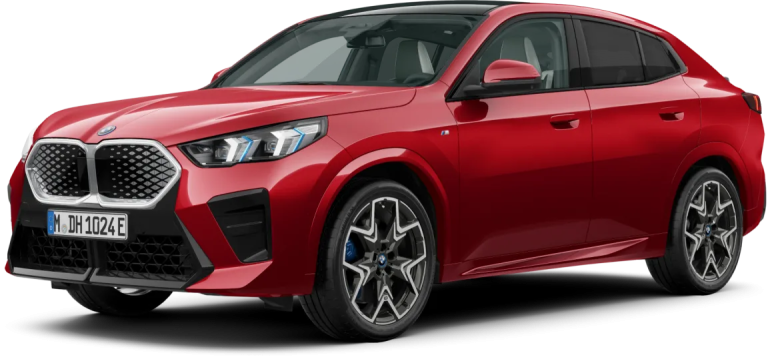
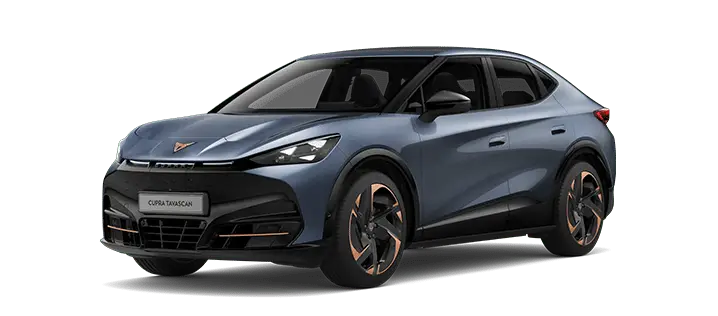
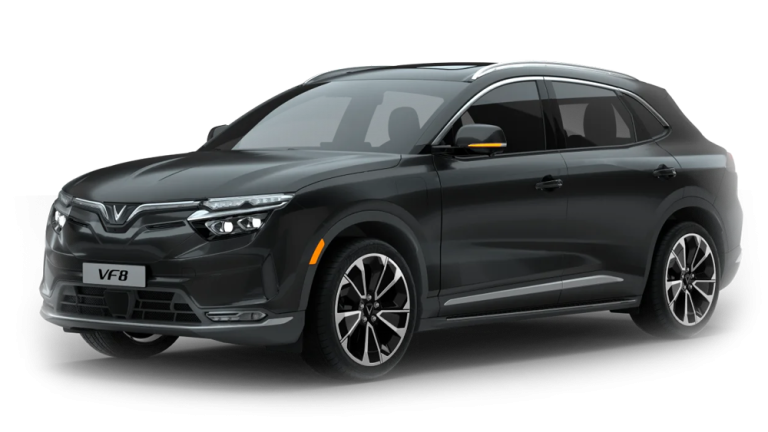
Find your future electric vehicle or charging point
This small battery-powered SUV is the second all-electric model launched by the Korean manufacturer in the last 12 months, after the Hyundai IONIQ Electric, the first of 38 alternative-powered vehicles that Hyundai plans to launch by 2025.
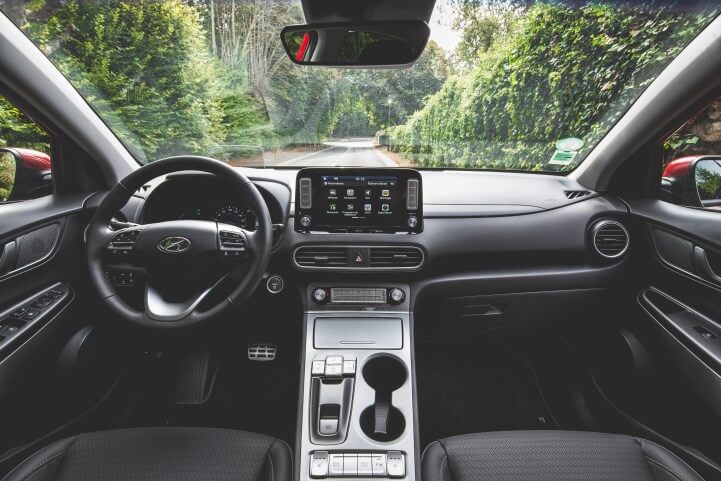
It's a deadline that Hyundai should easily meet. With hybrid versions and two plug-in versions of the IONIQ already on sale on the French market, and the hydrogen fuel cell SUV NEXO, Hyundai already offers more alternatives than any other brand of combustion-powered vehicle. The 39 kWh model can accelerate from 0 to 100 km in 9.7 seconds. Where the Nissan Leaf has its E-Pedal - meaning the car starts to slow down gently when you take your foot off the accelerator pedal - the Hyundai Kona Electric has a similar feature but you have to press a button on the steering wheel and it takes a little getting used to.
But it's undoubtedly the Kona Electric range that offers the most possibilities.
According to Hyundai, the Kona Electric 39 kWh can travel 289 km on a single charge of its liquid-cooled 39 kWh lithium-ion polymer battery.
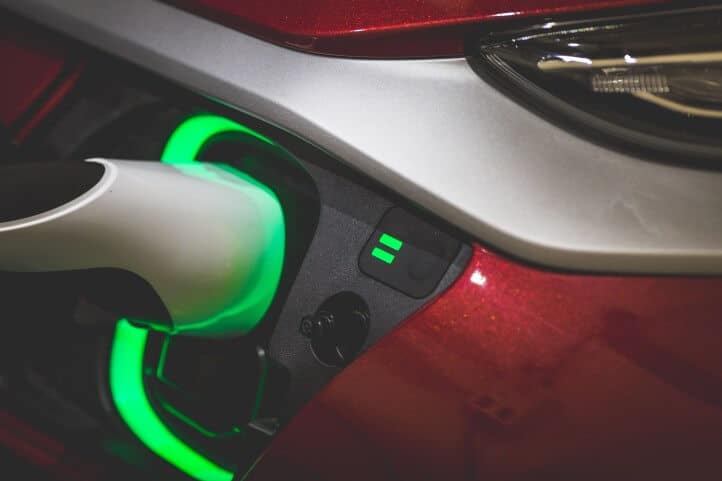
Recharging takes 50 minutes with a 50 kW CCS charger or 6 hours 30 minutes with a 7.2 kW domestic charger (which is the most common). If you're not in a hurry, the Kona Electric 39 kWh can be recharged from a 240 volt/10 amp domestic socket in less than 21 hours.
Beev offers multi-brand 100% electric vehicles at the best prices, as well as recharging solutions.
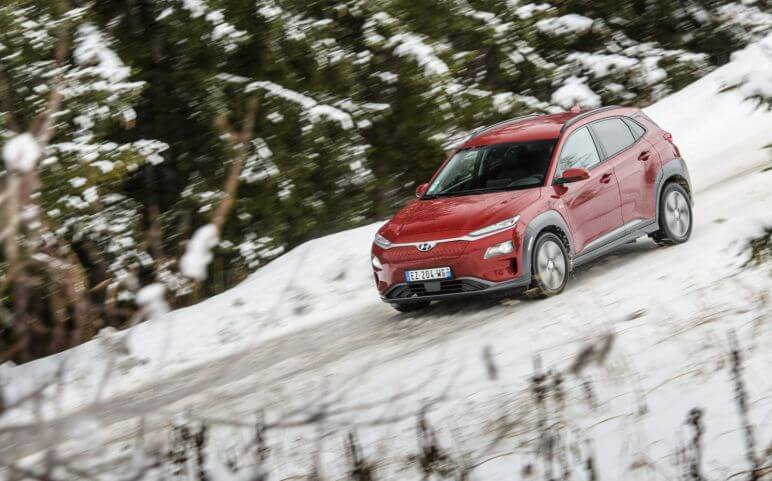
40 % of Kona buyers cite style as the main reason for their purchase because of its eccentric look.
The Hyundai Kona Electric is available in six colours: Pulse Red, Phantom Black, Lake Silver, Galactic Grey, Ceramic Blue and Chalk White.
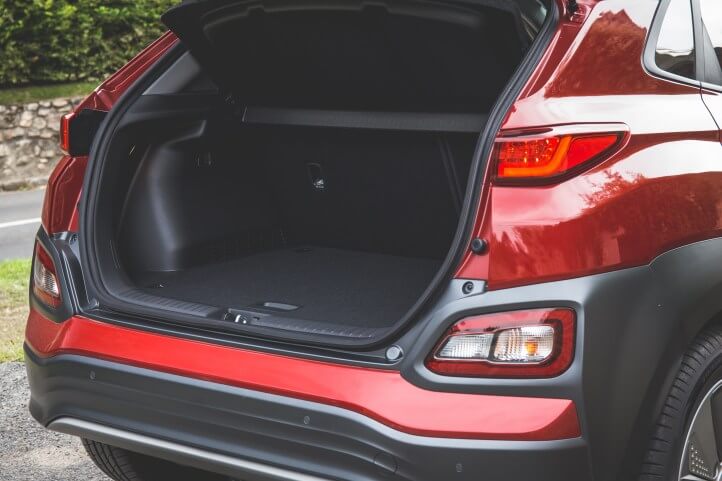
The Kona electric SUV seats five and has a load space of 332 litres (VDA) with the rear seats in place, rising to 1114 litres when the seat backs are folded down.
As is increasingly the case with other mainstream Hyundai models, the Kona Electric includes SmartSense, its safety technology. The package includes intelligent cruise control, lane keeping assist, blind spot warning and hill braking control.
Like the Kona internal combustion engine, it's the everyday practicality of the Kona Electric that makes the difference.
Generally speaking, Hyundai has made the Kona Electric range (and the IONIQ for that matter) easy to handle. The ease with which the vehicle can be got to grips with on the first drive will satisfy and reassure those driving an electric car for the first time.
Acceleration is effective in all gears, with no jerking and very linear acceleration. Whether at a standstill or when overtaking, the Kona Electric responds instantly to the driver's demands.
Despite weighing more than conventional Kona versions (1535 kg vs 1383 kg), the electric model's low centre of gravity and balanced weight distribution between front and rear give it impressive sporting reflexes. This is more than 100 kg less than the Kona 64 kWh.
In fact, only the low rolling resistance tyres of the Kona Electric seem to limit its tenacious handling.
Despite its playful dynamics, the Kona Electric remains comfortable on well-marked roads. The driving position allows the driver to enjoy the serenity of the ultra-quiet transmission and try out the four-mode programmes and the steering wheel-mounted regenerative braking selectors (which are fun to use in a way similar to 'downshifting' in bends).
Starting at €38,400 for the 39 kWh version (excluding environmental bonus of up to €7,000 and others aids to which you are potentially eligible), the Hyundai Kona is positioned as a real competitor to its cousin the Kia Niro EV and the Japanese Nissan Leaf which is more of a compact. A veritable electric UFO, the Kona Electric's youthful, urban styling is sure to turn heads at any crossroads.